






As a copper wire mesh supplier, I understand the critical importance of ensuring the quality of our products. Copper wire mesh is widely used in various applications, from industrial filtration to decorative purposes. Therefore, it is essential to have reliable methods for testing its quality to meet the diverse needs of our customers. In this blog, I will share some effective ways to test the quality of copper wire mesh.
Visual Inspection
The first step in testing copper wire mesh is a thorough visual inspection. This simple yet effective method can reveal many surface - related issues. Start by examining the overall appearance of the mesh. The wires should be evenly spaced, and there should be no signs of uneven weaving, such as loose or misaligned wires. Any visible gaps or holes in areas where they are not supposed to be can indicate a manufacturing defect.
Check for surface irregularities like scratches, dents, or corrosion. Copper is relatively resistant to corrosion, but improper storage or handling can lead to surface oxidation. A dull or discolored appearance may suggest that the mesh has been exposed to harsh environmental conditions or improper chemical agents. If the mesh is intended for a decorative application, a flawless surface is crucial, while for industrial use, surface blemishes might affect its functionality, such as in filtration applications where small scratches could cause uneven flow.
Wire Diameter Measurement
Accurate wire diameter is vital for the performance of copper wire mesh. A consistent wire diameter ensures uniform strength and filtration capabilities across the mesh. To measure the wire diameter, you can use a micrometer. This precision tool allows for accurate measurements down to the thousandths of an inch.
Take multiple measurements at different points on the mesh to ensure consistency. If the wire diameters vary significantly, it can lead to uneven stress distribution in the mesh, reducing its overall durability. For example, in a structural application where the mesh needs to bear a certain load, inconsistent wire diameters can cause weak spots, potentially leading to failure under stress.
Mesh Opening Size Determination
The size of the openings in the copper wire mesh is another critical parameter, especially for filtration and screening applications. There are several ways to measure the mesh opening size. One common method is to use a mesh gauge. This tool is specifically designed to measure the number of openings per linear inch.
For a more precise measurement, you can use a microscope or an optical measuring device. This is particularly useful when dealing with fine - mesh copper wire mesh, where the opening sizes are very small. Incorrect mesh opening sizes can affect the filtration efficiency. For instance, if the openings are too large in a palm oil filtration application, impurities may pass through the SS Mesh for Palm Oil Filtration, while if they are too small, it can lead to clogging and reduced flow rates.
Tensile Strength Testing
Tensile strength is a measure of the maximum stress that a material can withstand while being stretched or pulled before breaking. To test the tensile strength of copper wire mesh, you can use a tensile testing machine. This machine applies a gradually increasing force to a sample of the mesh until it breaks.

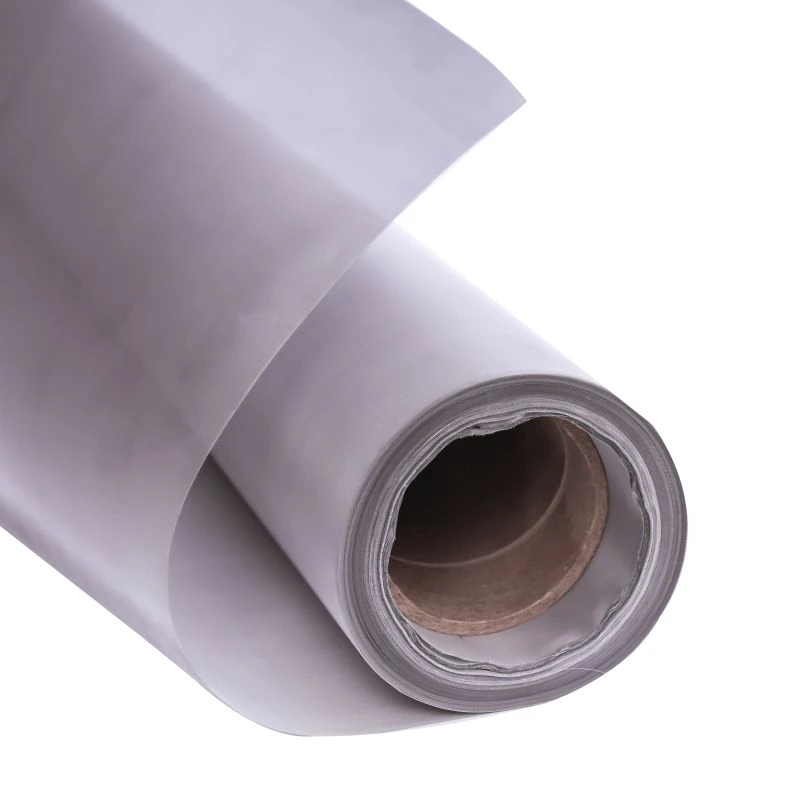
The results of the tensile strength test can provide valuable information about the quality of the copper wire and the integrity of the weaving. A high - quality copper wire mesh should have a consistent and adequate tensile strength. If the mesh breaks at a lower force than expected, it may indicate poor - quality copper or a weak weaving pattern. For applications where the mesh needs to withstand mechanical stress, such as in a vibrating screen, sufficient tensile strength is essential to ensure long - term performance.
Chemical Composition Analysis
The chemical composition of copper wire mesh can significantly affect its properties and performance. Impurities in the copper can reduce its conductivity, corrosion resistance, and mechanical strength. To determine the chemical composition, you can use techniques such as spectroscopy.
Spectroscopy methods, like X - ray fluorescence spectroscopy, can quickly and accurately identify the elements present in the copper wire mesh and their concentrations. A high - quality copper wire mesh should have a high percentage of pure copper with minimal impurities. For electrical applications, where conductivity is crucial, even small amounts of impurities can have a significant impact on performance.
Corrosion Resistance Testing
Since copper is often used in environments where it may be exposed to moisture, chemicals, or other corrosive agents, testing its corrosion resistance is essential. One way to test corrosion resistance is the salt spray test. In this test, a sample of the copper wire mesh is placed in a salt - spray chamber, where it is exposed to a fine mist of saltwater for a specified period.
After the test, the mesh is examined for signs of corrosion, such as rust or pitting. The degree of corrosion can be evaluated based on visual inspection or by measuring the weight loss of the sample. A high - quality copper wire mesh should show minimal signs of corrosion after the test. For outdoor applications or in industrial settings where the mesh is exposed to harsh chemicals, good corrosion resistance is necessary to ensure a long service life.
Weave Pattern Integrity
The weave pattern of the copper wire mesh plays a crucial role in its performance. Different weave patterns, such as plain weave, twill weave, or Dutch weave, have different characteristics. For example, Plain Weave Stainless Steel Wire Mesh is known for its simple and uniform structure, which provides good filtration and strength.
To test the integrity of the weave pattern, you can gently pull on the mesh in different directions. A well - woven mesh should maintain its structure without the wires coming loose or the pattern distorting. Any signs of unraveling or excessive stretching in the weave pattern can indicate a manufacturing defect.
In conclusion, testing the quality of copper wire mesh involves a comprehensive approach that includes visual inspection, measurement of wire diameter and mesh opening size, tensile strength testing, chemical composition analysis, corrosion resistance testing, and evaluation of the weave pattern integrity. By using these methods, we can ensure that our Copper Wire Mesh meets the highest standards and provides reliable performance in various applications.
If you are interested in purchasing high - quality copper wire mesh for your specific needs, we are here to assist you. Our team of experts can provide detailed information about our products, help you select the most suitable mesh for your application, and answer any questions you may have. Contact us to start a discussion about your requirements and explore how our copper wire mesh can meet your expectations.
References
- ASTM International Standards for wire mesh testing.
- Textbooks on materials science and engineering related to copper and wire mesh.
- Industry research papers on the performance and quality control of copper wire mesh.