






Determining the appropriate aperture size for a mining screen is a crucial aspect in the mining industry. As a mining screen supplier, I've witnessed firsthand the impact that the right aperture size can have on the efficiency and productivity of mining operations. In this blog, I'll share some key factors and methods to help you select the most suitable aperture size for your mining screen.
Understanding the Role of Aperture Size in Mining Screens
The aperture size of a mining screen refers to the size of the openings in the screen mesh. It plays a fundamental role in the screening process, as it determines which particles will pass through the screen and which will be retained. This separation is essential for various mining applications, such as sorting ores, removing impurities, and classifying materials according to their size.
A well - chosen aperture size can significantly enhance the efficiency of the screening process. If the aperture is too large, oversized particles may pass through, leading to inaccurate classification and potentially affecting the quality of the final product. On the other hand, if the aperture is too small, it can cause excessive clogging, reducing the throughput of the screen and increasing energy consumption.
Factors Affecting the Choice of Aperture Size
1. Material Characteristics
The nature of the material being screened is one of the most important factors. Different materials have different particle shapes, sizes, and densities. For example, if you are screening angular - shaped particles, they may require a slightly larger aperture size compared to spherical particles of the same nominal size, as angular particles can get stuck more easily in the mesh.
The moisture content of the material also matters. Wet materials tend to stick together and may cause clogging, so a larger aperture size might be needed to prevent this. Additionally, materials with high abrasiveness may wear out the screen more quickly, and in such cases, a more robust screen with an appropriate aperture size needs to be selected.
2. Screening Objectives
The purpose of the screening operation will dictate the required aperture size. If the goal is to separate fine particles from coarse ones, a smaller aperture size will be necessary. For example, in the production of fine - grained minerals, a screen with a very small aperture can be used to remove any remaining large particles.
If the screening is for the purpose of pre - sizing before further processing, a larger aperture size may be sufficient to remove the obviously oversized materials.
3. Throughput Requirements
The amount of material that needs to be processed per unit of time is another critical factor. Higher throughput requirements generally call for larger aperture sizes, as they allow more material to pass through the screen quickly. However, this needs to be balanced with the need for accurate screening. If accuracy is a priority, a smaller aperture size may be necessary, even if it means a lower throughput.
Types of Mining Screens and Their Aperture Considerations
1. Brass Wire Mesh
Brass wire mesh is a popular choice in some mining applications due to its good corrosion resistance and relatively high strength. When using Brass Wire Mesh, the aperture size should be selected based on the specific requirements of the material being screened. For example, in the screening of non - ferrous metals, brass wire mesh with an appropriate aperture can effectively separate different particle sizes.
2. 316 Stainless Steel Wire Mesh
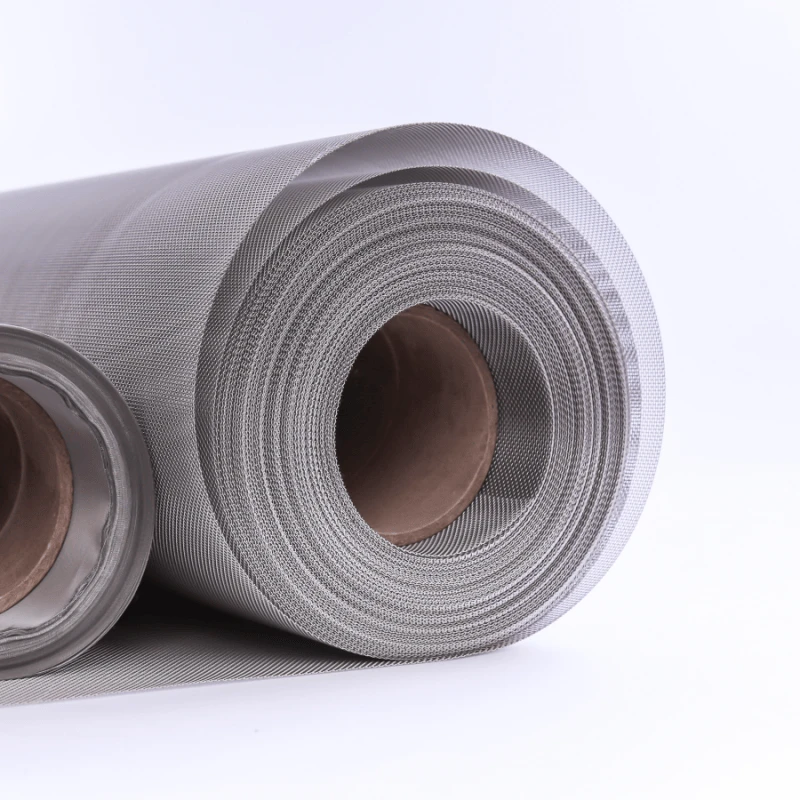
316 Stainless Steel Wire Mesh is known for its excellent corrosion resistance, making it suitable for use in harsh mining environments, especially those involving acidic or wet conditions. When determining the aperture size for 316 stainless steel wire mesh, factors such as the abrasiveness of the material and the required screening accuracy should be taken into account.
3. Dutch Weave Stainless Steel Wire Mesh
Dutch Weave Stainless Steel Wire Mesh has a unique structure that provides high strength and fine screening capabilities. It is often used for applications that require precise separation of fine particles. The aperture size of Dutch weave mesh needs to be carefully selected to ensure both high efficiency and accurate screening.
Methods for Determining the Appropriate Aperture Size
1. Laboratory Testing
One of the most reliable methods is to conduct laboratory tests on the material to be screened. Samples of the material can be passed through screens with different aperture sizes, and the results can be analyzed to determine the most suitable size. This method allows for a more accurate assessment of the material's screening characteristics and can help identify the optimal aperture size for the specific application.
2. Experience and Industry Standards
Drawing on past experience in similar mining operations can be a valuable resource. Industry standards and guidelines also provide useful information on the typical aperture sizes used for different types of materials and screening processes. For example, in the coal mining industry, there are established standards for the aperture sizes of screens used in coal preparation plants.
3. Simulation and Modeling
With the advancement of technology, simulation and modeling software can be used to predict the performance of different aperture sizes. These tools take into account factors such as material flow, particle behavior, and screen dynamics to provide an estimate of the screening efficiency and throughput for various aperture sizes. This can help in making a more informed decision before investing in a new screen.
Case Studies
Let's consider a case in a gold mining operation. The mine was facing issues with low - grade ore processing. The existing screen had an aperture size that was too large, allowing a significant amount of fine gold particles to be lost in the tailings. By conducting laboratory tests and analyzing the material characteristics, a new screen with a smaller aperture size was selected. This change resulted in a significant increase in the recovery rate of gold, improving the overall profitability of the operation.

In another case, a copper mining company was experiencing high energy consumption due to excessive clogging of the screens. After evaluating the material moisture content and particle shape, a larger aperture size was chosen, which reduced the clogging and improved the throughput, leading to lower energy costs.
Conclusion
Determining the appropriate aperture size for a mining screen is a complex but essential task. It requires a comprehensive understanding of the material characteristics, screening objectives, and throughput requirements. By considering factors such as material properties, the type of screen, and using methods like laboratory testing, experience, and simulation, you can select the most suitable aperture size for your mining operation.
As a mining screen supplier, we are committed to providing high - quality screens with the right aperture sizes to meet your specific needs. Whether you are dealing with abrasive materials, fine particles, or challenging screening conditions, we have the expertise and products to ensure efficient and accurate screening. If you are interested in learning more about our mining screens or need assistance in selecting the appropriate aperture size, please feel free to contact us for a detailed discussion and potential procurement.
References
- Smith, J. (2018). Mining Screen Selection and Optimization. Mining Engineering Journal, 45(2), 123 - 135.
- Johnson, A. (2019). The Impact of Aperture Size on Screening Efficiency. Minerals Processing Review, 32(3), 78 - 89.
- Brown, C. (2020). Advances in Mining Screen Technology. International Journal of Mining Science and Technology, 15(4), 234 - 245.