






Galvanized wire gabion boxes are a staple in various construction and environmental projects, known for their durability and versatility. As a supplier of these products, I often get asked about the lifespan of galvanized wire gabion boxes. In this blog post, I'll delve into the factors that influence their longevity, provide estimates based on different scenarios, and share some tips on how to extend their service life.
Understanding Galvanized Wire Gabion Boxes
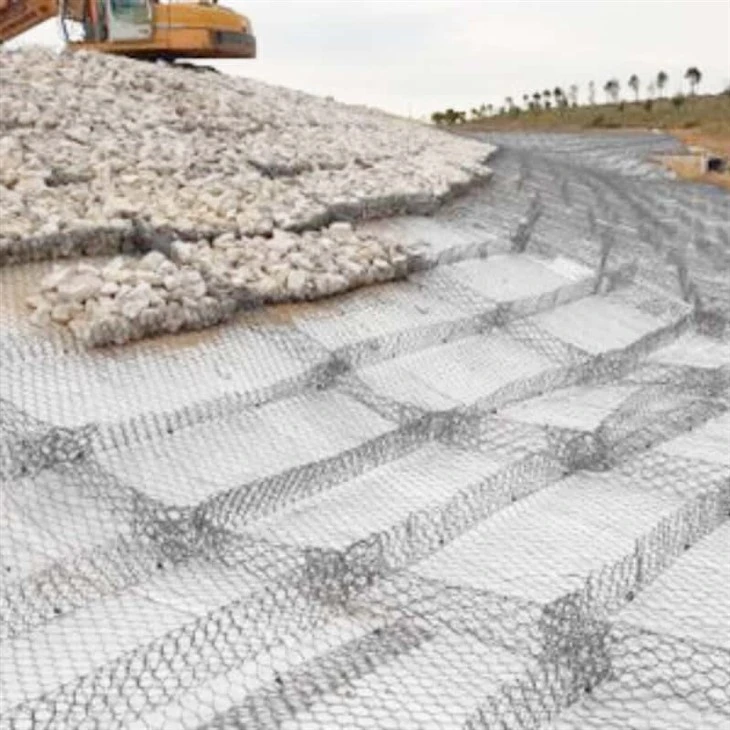
Before we discuss their lifespan, let's briefly understand what galvanized wire gabion boxes are. These boxes are made from galvanized steel wire, which is coated with zinc to protect it from corrosion. The wire is woven or welded into a mesh structure and then formed into boxes of various sizes. These boxes are filled with stones or other suitable materials and used in applications such as erosion control, retaining walls, and riverbank protection.
Factors Affecting the Lifespan of Galvanized Wire Gabion Boxes
1. Quality of Galvanization
The quality of the zinc coating on the wire is crucial. A thicker and more uniform zinc coating provides better protection against corrosion. High - quality galvanization can significantly extend the lifespan of the gabion box. For instance, hot - dipped galvanized wire, where the wire is submerged in molten zinc, generally offers a more durable coating compared to electro - galvanized wire.
2. Environmental Conditions
The environment in which the gabion box is installed plays a major role. In a mild, dry climate, the gabion box is likely to last longer. However, in harsh environments such as coastal areas with high salt content in the air or in industrial areas with high levels of pollution, the zinc coating will corrode more quickly. Acidic soil or water can also accelerate the corrosion process.
3. Type of Filling Material
The material used to fill the gabion box can impact its lifespan. Hard, non - porous stones are ideal as they are less likely to break down over time. Soft or porous stones may disintegrate, which can put additional stress on the wire mesh and potentially lead to premature failure.
4. Installation and Maintenance
Proper installation is essential. If the gabion boxes are not installed correctly, they may be subject to uneven stress, which can cause the wire to break. Regular maintenance, such as inspecting for signs of corrosion or damage and replacing any damaged sections, can also extend the lifespan of the gabion boxes.
Lifespan Estimates
In a Mild Environment
In a mild, non - corrosive environment, such as an inland area with normal rainfall and no significant pollution, a high - quality galvanized wire gabion box can last 30 to 50 years. The zinc coating on the wire provides a long - term barrier against rust and corrosion, and the stable environmental conditions minimize the wear and tear on the structure.
In a Harsh Environment
In a harsh environment, like a coastal area or an industrial zone, the lifespan of a galvanized wire gabion box can be significantly reduced. In these conditions, the box may last anywhere from 10 to 20 years. The high salt content in the air in coastal areas or the presence of pollutants in industrial areas can quickly break down the zinc coating, exposing the steel wire to corrosion.

Tips to Extend the Lifespan of Galvanized Wire Gabion Boxes
Choose High - Quality Materials
As a supplier, I always recommend using hot - dipped galvanized wire with a thick zinc coating. This type of wire provides better protection against corrosion and is more resistant to wear and tear. You can also consider using Hexagonal Gabion Mesh, which offers additional strength and flexibility.
Select the Right Filling Material
Opt for hard, non - porous stones such as granite or basalt. These stones are durable and less likely to break down over time, reducing the stress on the wire mesh.
Proper Installation
Ensure that the gabion boxes are installed correctly. Follow the manufacturer's guidelines and use appropriate techniques to ensure even distribution of stress. If you're using Hesco Barrier or Reno Mattress, make sure they are installed according to the specific requirements of these products.
Regular Maintenance
Conduct regular inspections of the gabion boxes. Look for signs of corrosion, loose wires, or damage to the filling material. If you notice any issues, address them promptly. You can touch up the zinc coating on any exposed areas or replace damaged sections of the wire mesh.
Conclusion
The lifespan of a galvanized wire gabion box can vary greatly depending on several factors, including the quality of the materials, environmental conditions, filling material, and installation and maintenance. By understanding these factors and taking appropriate measures, you can ensure that your gabion boxes last for many years.
If you're considering using galvanized wire gabion boxes for your project, I encourage you to reach out. As a supplier, I can provide you with high - quality products and expert advice on installation and maintenance. Whether you need Hexagonal Gabion Mesh, Hesco Barrier, or Reno Mattress, I'm here to help you make the right choice for your project. Contact me today to start the procurement discussion and find the best solution for your needs.
References
- ASTM International. (2021). Standard Specification for Zinc - Coated (Galvanized) Steel Wire for Fence and General Use. ASTM A123/A123M - 21.
- Federal Highway Administration. (2001). Gabion and Reno Mattress Walls. FHWA - HI - 01 - 026.
- United States Army Corps of Engineers. (2000). Design and Construction of Gabion Structures. EM 1110 - 2 - 2904.