





Hexagonal Gabion Mesh: Engineered for Resilience and Versatility
Products Description
The Hexagonal Gabion Mesh is a premier gabion variant characterized by its hexagonal apertures. Crafted from high-tensile, corrosion-resistant materials such as galvanized wire, PVC-coated wire, or golf wire (zinc-aluminum alloy), it is woven using state-of-the-art, fully automatic looms. This mesh comes in two primary forms: gabion boxes and gabion mattresses, widely recognized for their efficacy in river and dam protection. They are instrumental in preventing embankment scouring by water flow and mitigating flood risks, thus enjoying global adoption.
Optional Materials
1. Galvanized Wire: Offers a zinc coating ranging from 40-280g per square meter.
2. Galfan Wire: Also known as aluminum-zinc coated wire (10% Al), with a zinc weight varying from 200g-500g per square meter.
3. PVC Coated Wire: Features an inner galvanized or Galfan wire, coated with PVC for added durability. Standard colors include gray and green.
Specifications
- Mesh Wire, Selvedge Wire, and Lacing Wire: We ensure the minimum zinc coating weight meets industry standards.
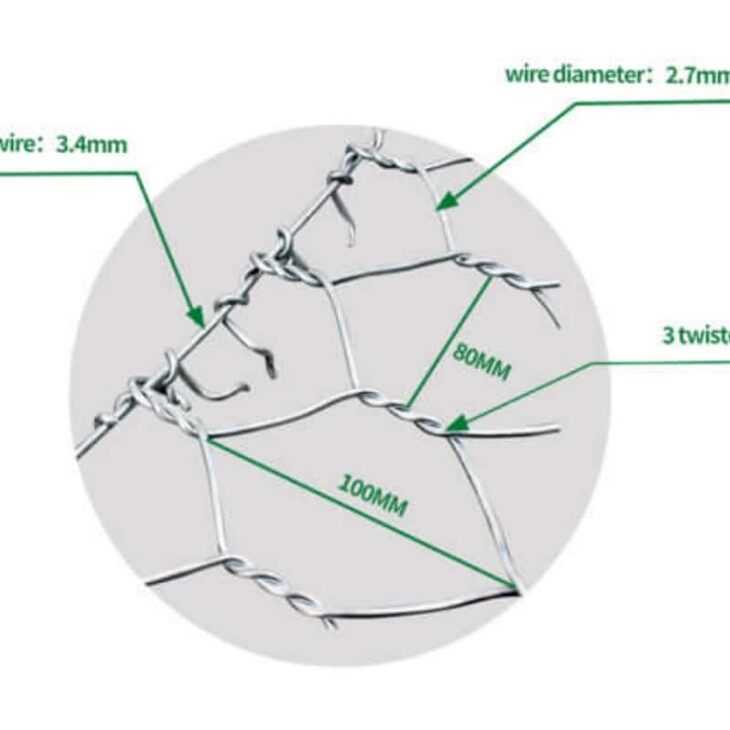
- Mesh Size: Options include 60x80mm, 80x100mm, and 100x120mm.
- Basket Size: Customizable to customer requirements, with dimensions not deviating by more than ± 5% from the ordered size prior to filling.
Hexagonal Gabion Mesh Types
Based on material differences, our hexagonal gabion mesh is categorized into three types:
- Type 1: Galvanized Gabion Mesh: Features a protective zinc layer on the wire surface, available in ordinary (40-60g/m²) and high (200-500g/m²)镀锌 options. Higher zinc content equates to an extended service life.
- Type 2: PVC Coated Gabion Mesh: With a PVC coating thickness of approximately 1mm, this type offers superior corrosion resistance with a service life potentially exceeding 20 years.
- Type 3: Galfan Coating Gabion Mesh: Crafted from zinc-aluminum alloy coated wire, it provides enhanced corrosion resistance and a service life surpassing 50 years.
Shapes and Structures
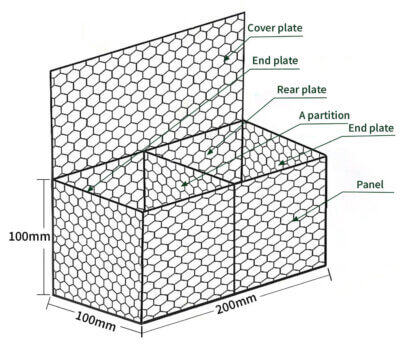
- Type 1: Hexagonal Gabion Basket: Designed to be filled with rocks to form retaining wall structures, featuring a diaphragm for added strength.广泛应用于 river control, dam protection, and landscaping.
- Type 2: Gabion Mattress (Reno Mattress): A mesh box structure, typically 0.3m in height, filled with stones for slope protection or laid on riverbeds to prevent water scouring.
Hexagonal Gabion Mesh Production Process:
- Material Selection: We choose only the highest quality materials for durability and corrosion resistance.
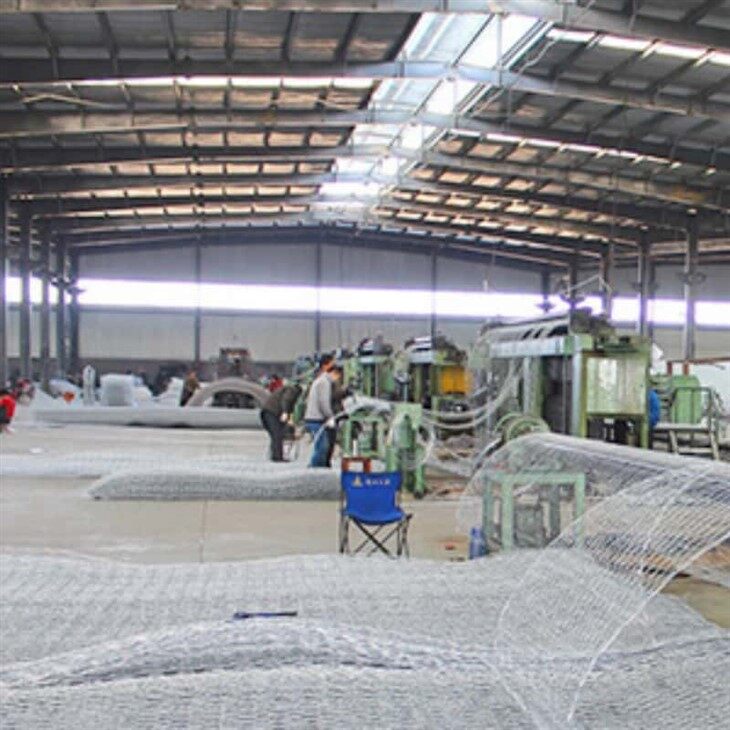
- Weaving: The wire is meticulously woven on automatic gabion mesh looms to ensure uniformity and precision.
- Cutting: The mesh is cut to the required length.
- Edge Wrapping: The edges are reinforced with thicker wire post-cutting to maintain structural integrity.
- Stacking: Approximately 100 sheets are stacked in preparation for the next stage.
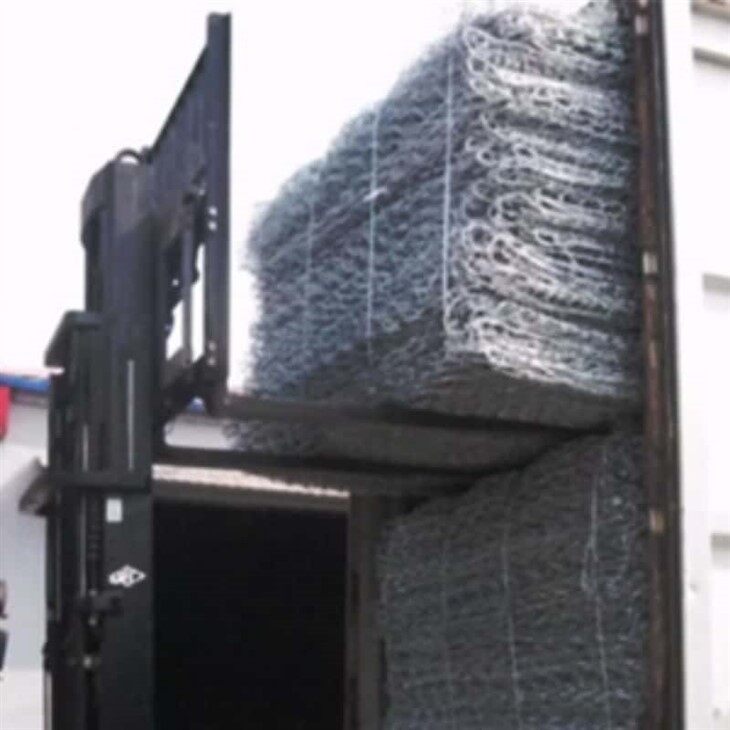
- Compression: The stack is compressed using a bale press machine for compactness and ease of transport.
- Transportation: The compressed gabion mesh is ready for shipping to construction sites or other designated locations.
Gabion Box Advantages:
1. Economical: Simplifies the process of filling with stones and sealing.
2. Simplicity in Construction: Requires no specialized technology for assembly.
3. Durability: Resistant to natural damage, corrosion, and adverse weather effects.
4. Flexibility: Capable of withstanding large-scale deformation without collapse.
5. Ecological Benefits: Silt between stones promotes plant growth and integrates with the natural environment.
6. Permeability: Prevents hydrostatic force damage, contributing to slope and beach stability.
Installation of Hexagonal Gabion Mesh:
- Assembly: Lay the mesh flat and connect panels with galvanized wire or fasteners, leaving the top open.
- Filling: Fill with appropriate stones or gravel, ensuring even distribution and compaction for stability.
- Closing: Secure the top with a lid or fasteners.
- Additional Steps: Include layering for structures like retaining walls, applying sealant if needed, and positioning for installation.
- Maintenance: Regular inspections for wear or damage, with prompt repairs to maintain integrity.
Strict Quality Control:
- Raw Material Inspection: Ensuring materials meet our high standards.
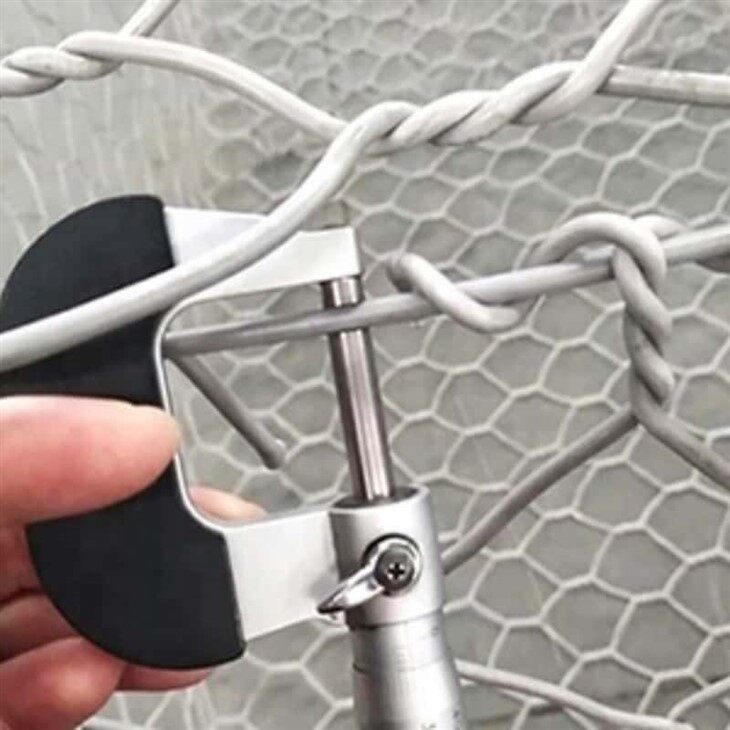
- Weaving Process Quality Control: Monitoring the weaving process for consistency and quality.
- Packing:meticulously packed to protect the product during transit.
Applications of Hexagonal Gabion Mesh
1. Erosion Control and Slope Stabilization: Prevents soil erosion and stabilizes slopes in landslide-prone or high-runoff areas.
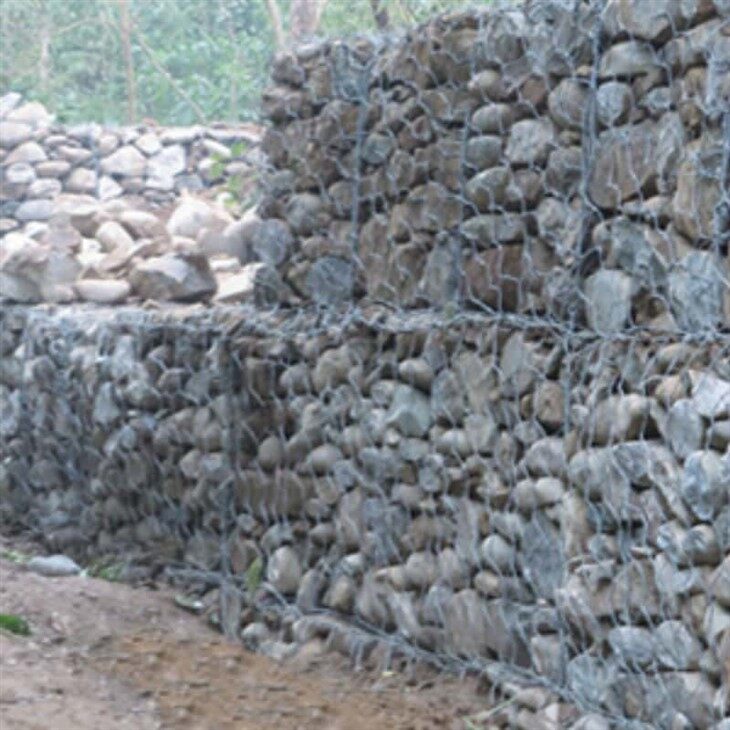
2. Retaining Walls: Constructs retaining walls to hold back earth and create level spaces on slopes.
3. Flood and Riverbank Protection: Manages floodwaters and protects riverbanks from erosion.
4. Channel Lining and Bank Stabilization: Lines water channels and stabilizes banks to prevent sediment washout.
5. Noise Barriers: Reduces noise pollution in residential or commercial areas near loud environments.
6. Aesthetic Landscaping: Incorporates gabion structures for functional and decorative purposes.
7. Coastal and Shoreline Protection: Protects coastal areas and shorelines from erosive forces of waves and tides.
8. Culvert and Storm Water Management: Used in culvert construction and storm water runoff management.
9. Mining and Quarrying: Employed for slope stabilization, rockfall protection, and debris containment in mining and quarrying.
10. Green Infrastructure: Supports vegetation growth and provides ecological benefits while serving structural purposes.
Packing and Delivery:
- Packing: Hexagonal Gabion Mesh is packed to ensure protection and ease of transportation, using compression packing, wrapping, labeling, and palletization.
- Delivery: Involves key steps to ensure safe and timely arrival at the construction site or other locations.
Storage:
- In a Dry Place: To prevent rust and corrosion, the mesh should be kept in a dry environment.
- Off the Ground: Storing the mesh off the ground, on pallets or racks, allows air circulation and prevents moisture buildup.
- Under Cover: Protection from the elements is crucial, so storage under a roof or in a covered area is recommended.
FAQ
Q: 1. What is Gabion Mesh?
A: Gabion mesh is a structure made of hexagonal woven wire mesh, usually filled with stones or gravel. It is widely used in civil and environmental engineering for erosion control, slope stabilization, and retaining structures. Its flexibility, permeability, and durability make it ideal for rivers, roads, and landscaping.
Q: 2. Types of Gabion Mesh
A: Hexagonal Woven Gabion: The most common type, flexible and suitable for uneven terrain. Welded Gabion Box: Flat surface and rigid structure, often used in architectural and landscaping applications. Gabion Mattress (Reno Mattress): Thinner height, used for riverbed and bank toe protection. Surface Coatings: Available in galvanized, PVC-coated, or Galfan-coated (zinc-aluminum alloy) wire for corrosion resistance.
Q: 3. Applications of Gabion Mesh
A: Riverbanks, reservoirs, and coastal erosion control Slope stabilization and landslide protection Highway and railway embankment reinforcement Bridge abutment and culvert protection Garden retaining walls and landscape decoration Military and noise barrier walls (e.g., Hesco barriers)
Q: 4. Gabion Mesh Production Process
A: Wire Preparation: Drawing, galvanizing, or PVC coating of low-carbon steel wire Mesh Weaving: Hexagonal mesh is woven by specialized machines Cutting & Forming: Cut to size and folded into panels for box formation Edge Binding & Reinforcement: Manual or machine twisted edges for added strength Quality Inspection: Tests for mesh size, tensile strength, coating thickness, and anti-corrosion Packing & Shipping: Folded and bundled, typically shipped with pallets or wooden crates
Q: 5. Which is better for gabion boxes: hand-twisted edges or machine-twisted edges?
A: Hand-twisted edges have tighter knots and provide a stronger structure, making them ideal for projects with high durability and load requirements, especially in harsh environments. However, they come with higher costs and longer production times. Machine-twisted edges offer higher production efficiency and lower costs, suitable for large-volume projects with moderate strength needs, though their strength and durability are slightly lower than hand-twisted edges. If your project demands high strength and durability, hand-twisted edges are recommended. If cost and production speed are more important and the environmental conditions are less severe, machine-twisted edges are a more economical choice.


