





As a supplier of Hesco Barriers, I've witnessed firsthand the diverse applications of these remarkable structures. One area that often sparks curiosity is their performance in regions with strong tides. In this blog, I'll delve into how Hesco Barriers fare in such challenging environments, exploring their design, functionality, and the factors that contribute to their effectiveness.
Understanding Hesco Barriers
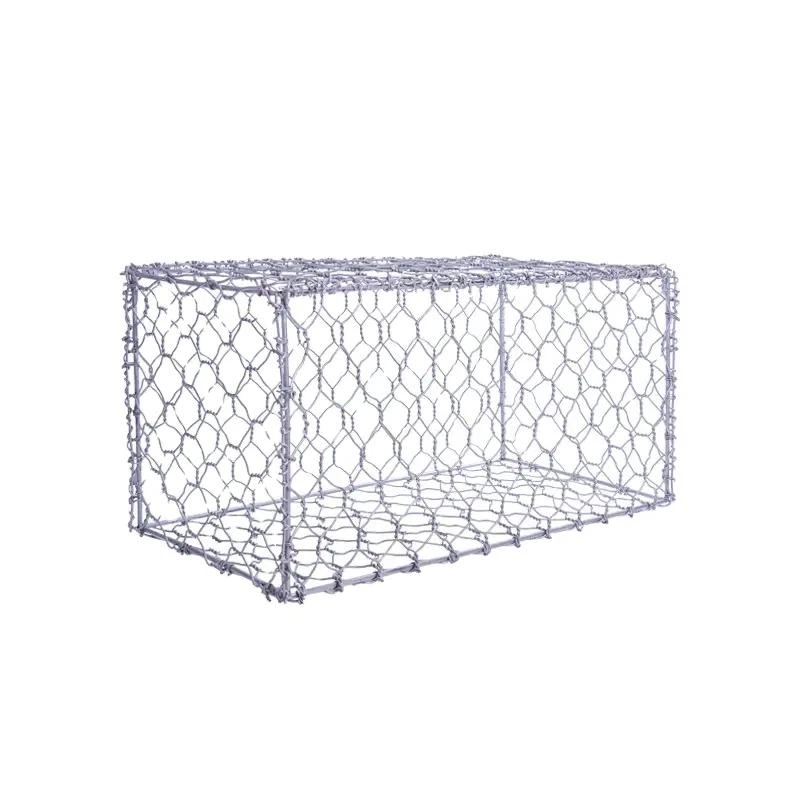
Before we dive into their performance in tidal areas, let's first understand what Hesco Barriers are. A Hesco Barrier, also known as a wire mesh container or gabion, is a prefabricated, collapsible, wire mesh container unit filled with sand, soil, or other suitable materials. These barriers are commonly used for flood control, erosion prevention, and military fortifications. The Hesco Barrier link provides more detailed information about our specific products.
The basic design of a Hesco Barrier consists of a galvanized steel wire mesh framework that forms a six-sided box-like structure. This mesh is typically hexagonal in shape, similar to the Hexagonal Gabion Mesh. The hexagonal pattern provides excellent structural stability and flexibility, allowing the barrier to conform to the terrain and absorb impact.
Challenges Posed by Strong Tides
Areas with strong tides present a unique set of challenges for flood protection and erosion control structures. Tidal forces can generate significant water flow, wave action, and hydrostatic pressure. These forces can cause erosion, scouring, and undermining of traditional barriers, leading to their failure.
In addition, the constant rise and fall of the tide can subject barriers to alternating wet and dry conditions, which can accelerate corrosion and degradation of materials. Moreover, the movement of sediment and debris in tidal waters can clog barriers and reduce their effectiveness over time.
How Hesco Barriers Counter These Challenges
One of the key advantages of Hesco Barriers in tidal areas is their flexibility. The wire mesh structure allows the barrier to deform slightly under the pressure of the water, which helps to distribute the force evenly and prevent localized stress points. This flexibility also enables the barrier to adapt to changes in the ground level and tide height, ensuring a continuous and effective barrier.
The filling material used in Hesco Barriers also plays a crucial role in their performance. The weight of the sand or soil provides stability and resistance against the force of the water. Additionally, the porous nature of the filling material allows water to seep through, reducing the hydrostatic pressure on the barrier and minimizing the risk of overtopping.

Another important feature of Hesco Barriers is their corrosion resistance. The galvanized steel wire mesh is coated with a layer of zinc, which provides a protective barrier against rust and corrosion. This is particularly important in tidal environments, where the constant exposure to saltwater can cause rapid deterioration of unprotected metals.
Installation and Maintenance in Tidal Areas
Proper installation is essential for the effective performance of Hesco Barriers in tidal areas. The barriers should be installed on a firm and level foundation to prevent subsidence and shifting. In areas with soft or unstable ground, additional measures such as riprap or geotextile fabric may be required to provide support.
When installing Hesco Barriers in tidal areas, it's important to consider the tidal cycle. Installation should be scheduled during low tide to ensure easy access and minimize the risk of flooding. The barriers should be securely connected to each other using the provided connectors to form a continuous and stable structure.
Maintenance of Hesco Barriers in tidal areas is relatively straightforward. Regular inspections should be carried out to check for any signs of damage, such as holes in the mesh or displacement of the filling material. Any damaged sections should be repaired or replaced immediately to prevent further deterioration. Additionally, the barriers should be cleared of sediment and debris periodically to maintain their permeability.
Case Studies
There have been several successful applications of Hesco Barriers in areas with strong tides. For example, in coastal communities prone to storm surges and high tides, Hesco Barriers have been used to protect critical infrastructure such as roads, buildings, and power plants. In the aftermath of natural disasters, these barriers have been quickly deployed to prevent further flooding and erosion.
In one case, a coastal town was facing the threat of a major hurricane and storm surge. Hesco Barriers were installed along the shoreline to provide immediate flood protection. Despite the strong tides and high winds, the barriers held up well and prevented significant damage to the town. This case demonstrates the effectiveness of Hesco Barriers in protecting against the powerful forces of nature.
The Role of Gabion Mesh
The Gabion Mesh used in Hesco Barriers is a critical component that contributes to their performance. The high-quality wire mesh provides the necessary strength and durability to withstand the harsh conditions of tidal areas. The hexagonal shape of the mesh not only enhances the structural integrity but also allows for easy filling and compaction of the material.
Moreover, the mesh design promotes the growth of vegetation over time, which can further enhance the stability and environmental benefits of the barriers. Vegetation helps to absorb water, reduce erosion, and provide habitat for wildlife.
Conclusion
In conclusion, Hesco Barriers are a reliable and effective solution for flood protection and erosion control in areas with strong tides. Their flexibility, stability, and corrosion resistance make them well-suited to withstand the challenging conditions posed by tidal forces. Proper installation and maintenance are key to ensuring their long-term performance.
If you're in need of Hesco Barriers for your project in a tidal area or any other application, I encourage you to reach out for more information. Our team of experts can provide you with detailed product specifications, installation guidance, and pricing. We're committed to helping you find the best solution for your flood protection and erosion control needs.
References
- "Flood Control Structures: Principles and Applications" - A comprehensive guide on flood control techniques.
- "Coastal Engineering Manual" - A valuable resource for understanding coastal processes and protection measures.