





In the realm of sports, stadiums stand as iconic arenas where athletes showcase their prowess and fans gather to witness history in the making. Ensuring the safety and security of these venues is of paramount importance, prompting the exploration of various protective measures. One such solution that has gained significant attention is the use of Hesco Barriers. As a leading [Your Company Position] in the supply of Hesco Barriers, I am well - versed in their capabilities and potential applications in sports stadium protection. In this blog, we will delve into the question: Can Hesco Barriers be used for protecting sports stadiums?

Understanding Hesco Barriers
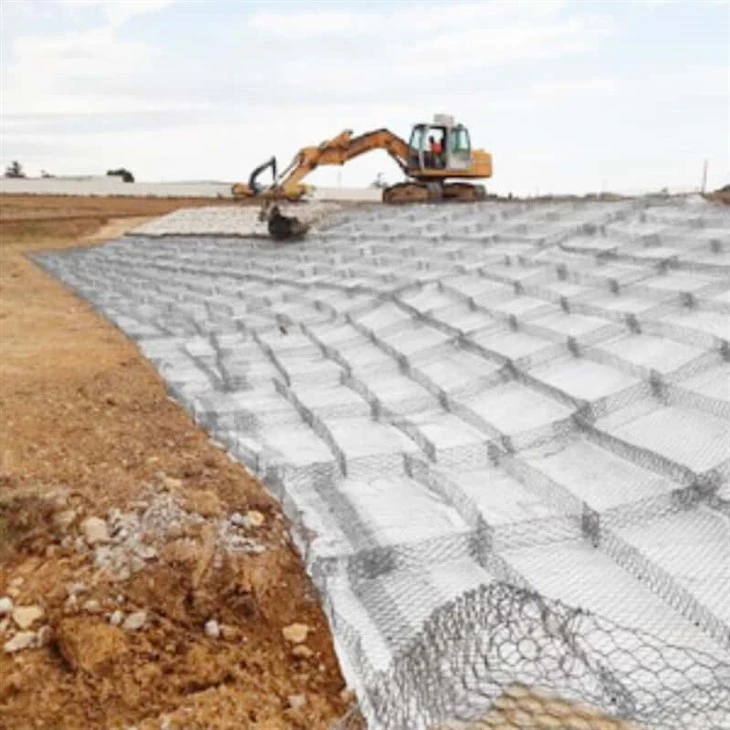
Hesco Barriers, also known as Hesco Bastions, are engineered to provide reliable and effective protection. They are constructed from a high - strength Hexagonal Gabion Mesh that is lined with a non - woven geotextile. The mesh is typically made of galvanized steel or coated with zinc - 5% aluminum - mischmetal alloy, offering excellent corrosion resistance. When filled with soil, sand, gravel, or other suitable materials, these barriers form a robust and stable structure.
The design of Hesco Barriers allows for quick and easy installation. They can be rapidly deployed, which is a crucial factor in emergency situations. Their modular nature means that they can be configured in various shapes and sizes to meet specific requirements. Whether it's creating a perimeter around a stadium or protecting specific areas within the venue, Hesco Barriers offer flexibility in design and implementation.
The Need for Protection in Sports Stadiums
Sports stadiums are large - scale public gathering places that host a diverse range of events, from football and baseball games to concerts and other entertainment shows. With large crowds in attendance, the potential for security threats cannot be overlooked. These threats can range from unauthorized entry, terrorist attacks, to natural disasters such as floods and landslides.
In recent years, there has been an increasing concern about the safety of spectators and athletes. High - profile incidents around the world have highlighted the importance of having effective security measures in place. Additionally, stadiums are often located in areas that are prone to natural disasters. For example, some coastal stadiums may be at risk of flooding during storms, while those in mountainous regions could face the threat of landslides.
Advantages of Using Hesco Barriers for Stadium Protection
1. Security and Perimeter Control
Hesco Barriers can be used to create a strong perimeter around a sports stadium. They act as a physical barrier that deters unauthorized entry. The height and strength of the barriers make it difficult for intruders to climb over or break through. This helps in maintaining the integrity of the stadium and ensuring that only authorized personnel and ticket - holders can enter the venue.
The modular design of Hesco Barriers allows for the creation of custom - shaped perimeters. They can be used to close off access points, such as gates and entrances, and can be integrated with other security systems, such as CCTV cameras and access control mechanisms.
2. Protection against Projectiles
In the event of a security threat involving projectiles, such as stones, bottles, or even firearms, Hesco Barriers can provide a high level of protection. The filled barriers absorb and disperse the energy of the projectiles, reducing the impact on the other side. This is particularly important in areas where there is a risk of crowd unrest or in high - risk environments.
3. Flood and Erosion Control
Many sports stadiums are located in areas that are vulnerable to flooding and soil erosion. Hesco Barriers can be an effective solution for flood and erosion control. When filled with appropriate materials, they can act as a retaining wall, preventing water from entering the stadium and protecting the surrounding infrastructure.
Reno Mattress, a type of gabion structure similar to Hesco Barriers, is also commonly used for erosion control. In combination with Hesco Barriers, they can provide a comprehensive solution for protecting stadiums from the effects of water and soil movement.
4. Quick Deployment
One of the key advantages of Hesco Barriers is their rapid deployment capability. In the event of an emergency, such as a sudden security threat or an impending natural disaster, these barriers can be set up in a matter of hours. This is crucial for minimizing response time and ensuring the safety of everyone in the stadium.
5. Cost - Effectiveness
Compared to other permanent security and protective structures, Hesco Barriers are relatively cost - effective. They require less construction time and labor, and the materials used are readily available. Additionally, they can be reused if they are properly maintained, further reducing the overall cost of protection.
Challenges and Considerations
While Hesco Barriers offer numerous advantages for stadium protection, there are also some challenges and considerations that need to be addressed.
1. Aesthetics
One of the main concerns with using Hesco Barriers in sports stadiums is their appearance. These barriers are typically made of metal mesh and filled with soil or other materials, which may not be aesthetically pleasing. However, there are ways to mitigate this issue. For example, they can be covered with decorative panels or painted to match the stadium's color scheme.
2. Maintenance
Hesco Barriers require regular maintenance to ensure their long - term effectiveness. This includes checking for any signs of corrosion, damage to the mesh, or settlement of the fill material. Adequate maintenance procedures need to be established to ensure that the barriers remain in good condition.
3. Environmental Impact
The use of Hesco Barriers may have some environmental impact, especially if the fill material is sourced from natural resources. It is important to consider sustainable sourcing options for the fill material, such as using recycled materials or materials from local sources.
Case Studies
There have been several successful implementations of Hesco Barriers for stadium protection around the world. For example, in some countries, Hesco Barriers have been used to protect stadiums during major international events. These barriers were quickly deployed to create a secure perimeter around the venue, ensuring the safety of the athletes, spectators, and staff.
In another case, a stadium located in a flood - prone area used Hesco Barriers to prevent water from entering the venue during heavy rainfall. The barriers were installed along the perimeter of the stadium, and they effectively held back the floodwaters, protecting the stadium's infrastructure and preventing damage to the playing field.
Conclusion
In conclusion, Hesco Barriers can be a viable option for protecting sports stadiums. Their advantages in terms of security, flexibility, quick deployment, and cost - effectiveness make them a strong candidate for various protection scenarios. While there are some challenges to overcome, such as aesthetics and maintenance, these can be addressed through proper planning and implementation.
As a [Your Company Position] of Hesco Barrier, I am confident in the ability of these barriers to provide effective protection for sports stadiums. We offer high - quality Hesco Barriers that are designed to meet the highest standards of safety and durability. If you are considering using Hesco Barriers for your stadium protection needs, I encourage you to reach out to us. Our team of experts can provide you with detailed information, assist in the design and planning process, and ensure a seamless installation. Contact us today to start the conversation about how Hesco Barriers can enhance the security and protection of your sports stadium.
References
- "Security in Sports Stadiums: Best Practices and Emerging Trends", International Sports Security Association.
- "Gabion Structures: Design, Construction, and Applications", Civil Engineering Publications.
- "Disaster Risk Reduction in Sports Venues", United Nations Office for Disaster Risk Reduction.