





How does epoxy-coated wire mesh compare to other coatings like PVC or powder coating?
When comparing epoxy-coated wire mesh to other common coatings such as PVC and powder coating, it's essential to consider factors like durability, corrosion resistance, chemical resistance, cost-effectiveness, and application suitability. Each type of coating has its own advantages and disadvantages depending on the specific requirements of the application. Below is a detailed comparison of epoxy-coated wire mesh with PVC and powder coatings:
Corrosion Resistance

Epoxy Coating: Epoxy coatings provide excellent corrosion resistance, especially in harsh chemical environments. The epoxy resin forms a robust barrier that prevents moisture, chemicals, and environmental factors from corroding the wire mesh. It is particularly effective in marine, industrial, and chemical applications.
PVC Coating: PVC (polyvinyl chloride) coatings offer good corrosion resistance, especially in mild to moderate environments. It forms a thick, durable layer that shields the mesh from environmental exposure. However, PVC may degrade faster than epoxy in high-temperature or chemical-heavy environments.
Powder Coating: Powder coating also provides solid protection against corrosion, particularly for applications in mild weather conditions or in environments where exposure to water is limited. However, it is generally less effective than epoxy or PVC when it comes to chemical resistance, particularly in aggressive industrial applications.
Chemical Resistance

Epoxy Coating: Epoxy is known for its superior chemical resistance, making it ideal for environments where the mesh will come into contact with oils, acids, alkalis, solvents, and other corrosive substances. It maintains its integrity and protective qualities even in highly corrosive environments, such as in petrochemical, pharmaceutical, and water treatment industries.
PVC Coating: PVC has good chemical resistance, particularly to acids and alkalis, but it is less resistant to certain oils, solvents, and high-temperature chemicals. In situations where exposure to aggressive chemicals is expected, PVC may deteriorate more quickly compared to epoxy coatings.
Powder Coating: Powder coatings offer moderate chemical resistance, typically protecting against water, salts, and some mild chemicals. However, they are not as durable as epoxy coatings in environments with high chemical exposure, especially in the presence of strong acids or solvents.
Durability and Abrasion Resistance
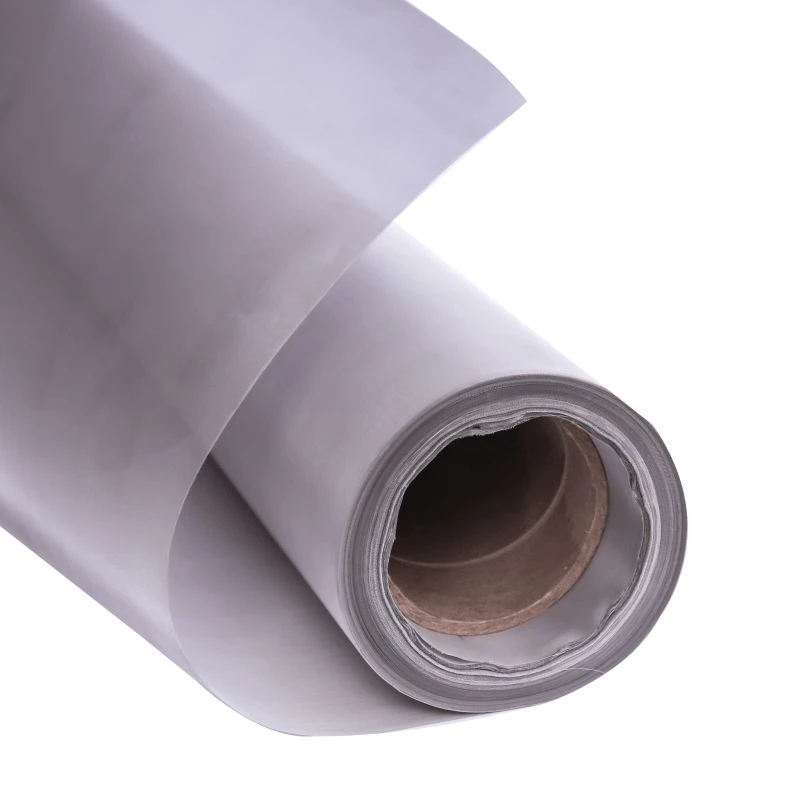
Epoxy Coating: Epoxy coatings are highly durable and provide excellent abrasion resistance. They help protect the mesh from physical damage and wear that occurs in applications with high-flow or high-pressure filtration systems. Epoxy's resistance to wear and tear makes it a preferred option for long-lasting durability..
PVC Coating: PVC coatings offer good abrasion resistance, especially when thicker coatings are applied. However, they tend to be less durable than epoxy coatings when subjected to rough handling or mechanical stress. PVC can also become brittle over time, especially when exposed to UV light.
Powder Coating: Powder coatings are also durable and offer good resistance to scratches and abrasion. However, they are generally more prone to cracking or chipping compared to epoxy coatings when exposed to sharp impacts or rough conditions. Powder coatings are generally more fragile in extremely harsh or abrasive environments.

Temperature Resistance
Epoxy Coating: Epoxy coatings are highly resistant to moderate-to-high temperatures. They maintain their protective properties even in environments where the temperature exceeds that of many other coatings. Epoxy-coated wire mesh can perform well in environments that experience thermal cycling or high-temperature exposure (up to around 200°C or higher, depending on the specific formulation).
PVC Coating: PVC has a lower temperature tolerance compared to epoxy coatings. It can start to soften or degrade at temperatures higher than 60–70°C, making it unsuitable for applications with high-temperature exposure or where heat resistance is critical.
Powder Coating: Powder coatings generally perform well in moderate temperatures and can withstand temperatures up to around 150–200°C, depending on the type of powder used. However, they are still more vulnerable to degradation in extreme heat compared to epoxy coatings.
Aesthetic Options
Epoxy Coating: Epoxy coatings are highly customizable in terms of color, finish, and texture. Epoxy is available in a range of colors and can be applied in uniform, smooth layers, which enhances the aesthetic appearance of the mesh. This makes it ideal for applications where the appearance of the wire mesh is important.
PVC Coating: PVC coatings are also available in a range of colors and provide a smooth, glossy finish that is aesthetically pleasing. PVC is often used for applications where color coding or visual appeal is necessary. However, it may be less customizable in terms of texture compared to epoxy.
Powder Coating: Powder coatings are highly versatile in terms of colors and finishes, offering a uniform, glossy finish that is highly durable. Powder coating can provide a wide variety of textured finishes (e.g., matte, satin, glossy) and is often used in applications that require both durability and a polished appearance.
Cost
Epoxy Coating: Epoxy coatings tend to be more expensive than PVC or powder coatings, both in terms of raw material and application cost. However, they offer superior long-term value due to their enhanced performance in highly demanding environments and their extended lifespan, which can offset the higher initial investment.
PVC Coating: PVC coatings are generally less expensive than epoxy and powder coatings, making them a good option for less demanding applications where high chemical resistance and temperature tolerance are not critical.
Powder Coating: Powder coating is typically more cost-effective than epoxy coating but can be more expensive than PVC. It strikes a balance between performance and price, offering durability and aesthetic appeal at a relatively affordable cost.
 dian
dianCompany profile
Each coating - epoxy, PVC, and powder coating - has its own set of advantages and limitations, and the choice depends largely on the specific requirements of the filtration system and the environmental conditions it will be exposed to.
· Epoxy-coated wire mesh stands out for its superior chemical resistance, abrasion resistance, and durability, making it the best choice for aggressive industrial environments with high chemical exposure and physical wear.
· PVC-coated wire mesh is ideal for milder environments where cost-effectiveness, aesthetic appearance, and corrosion protection are the main priorities, though it is less resistant to high temperatures and aggressive chemicals.
· Powder-coated wire mesh offers a balance of durability, aesthetics, and environmental sustainability, excelling in situations that require moderate chemical resistance and a polished finish.