






Liquid filtration plays a crucial role in countless industrial applications-ranging from wastewater treatment, chemical processing, oil and gas handling, food and beverage production, pharmaceuticals, and more. At the heart of any successful filtration system lies a deceptively simple yet profoundly important concept: the micron rating. Understanding what micron ratings mean, how they affect filter performance, and how to select the proper rating for your application are essential steps toward ensuring reliable filtration systems that meet quality, regulatory, and operational goals.
In this article, we dive deep into micron units, how they impact bag filter housing performance, and how understanding these principles can optimize filtration efficiency, control costs, extend equipment life, and maintain product integrity.


Table of Contents
1.What Is a Micron?
2.Micron Ratings Explained
(1)Nominal vs. Absolute Ratings
(2)Industry Standards and Testing Methods
3.How Micron Ratings Impact Filtration Performance
(1)Filtration Efficiency
(2)Flow Rate & Pressure Drop
(3)Filter Life and Maintenance
4.Micron Ratings and Bag Filter Housing
(1)How Bag Filter Housings Work
(2)Selecting Bag Filter Micron Ratings
5.Common Micron Ratings in Industrial Applications
(1)Typical Ranges and Use Cases
(2)Matching Micron Rating with Fluid Properties
6.Micron Rating Trade-offs and Performance Balancing
7.Practical Guidelines for Micron Rating Selection
8.Micron Ratings and Regulatory Compliance
9.Monitoring and Maintaining Filtration Performance
10.Future Trends in Micron Filter Technology
11.Conclusion
1. What Is a Micron?
A micron, technically known as a micrometer (µm), is a unit of length in the metric system that equals one millionth of a meter (0.001 mm). To visualize how small this is:
A human hair is approximately 70 microns in diameter.
Bacteria commonly fall between 0.2 to 2 microns.
Some airborne or liquid contaminants are even smaller.
In filtration, the micron rating refers to the approximate size of particles a filter is designed to capture. For example, a filter rated at 10 microns is intended to capture particles that are 10 microns or larger, allowing smaller particles to pass through.
Micron ratings are central to understanding how fine or coarse a filtration process is. The lower the micron number, the smaller the particles the filter can trap-and the finer the filtration.
2. Micron Ratings Explained
Nominal vs. Absolute Ratings
Micron ratings come in two basic types, each representing a different definition of how particles are removed:
|
Rating Type |
Meaning |
Removal Efficiency |
|
Nominal |
Indicates a filter will remove a significant percentage (often 50–80%) of particles at a specified micron size. |
Moderate |
|
Absolute |
Indicates the filter will remove nearly all (typically ≥90–98%) particles at that size. |
High |
A nominal micron rating suggests that the filter removes some particles of that size and larger-good for less critical applications. An absolute micron rating means the filter removes almost all particles at that size-critical for applications requiring strict control over contamination levels.
Absolute ratings are often needed in industries with stringent quality standards, such as pharmaceuticals or microelectronics, whereas nominal ratings are suitable for general industrial use or pre-filtration stages.
3. How Micron Ratings Impact Filtration Performance
Micron ratings influence several core aspects of a bag filter system's performance:
Filtration Efficiency
Filtration efficiency directly relates to the size of particles a filter can capture:
Lower Micron Ratings (e.g., 1–10 µm) provide finer filtration, capturing smaller particles and yielding cleaner fluids. These are critical in processes like pharmaceutical manufacturing or where very fine particulates must be removed.
Higher Micron Ratings (e.g., 50–200 µm) are suitable for coarse filtration, removing larger debris without imposing huge resistance to flow.
Flow Rate and Pressure Drop
The micron rating influences how easily fluid flows through the filter media:
Finer filters (lower micron ratings) have smaller pores, creating higher resistance to flow and increasing the system's pressure drop.
Coarser filters (higher micron ratings) allow fluid to pass with less resistance, leading to higher flow rates and lower pressure drops.
This trade-off is essential: while a low micron rating improves purity, it can slow flow and require more pumping power, potentially increasing energy use and maintenance costs.
Filter Life and Maintenance Frequency
Micron ratings also affect how quickly filters clog:
Low micron filters capture many small particles and thus clog faster, shortening service life and increasing replacement frequency.
Higher micron filters may last longer because they capture fewer particles per volume of fluid.
Choosing the right balance reduces maintenance costs and downtime while meeting filtration objectives.

4. Micron Ratings and Bag Filter Housing
Understanding how micron ratings interact with bag filter housings is critical for system design and operation.
How Bag Filter Housings Work
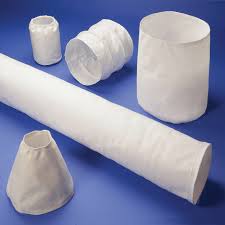
Bag filter housings are vessels that hold one or more filter bags through which fluid passes. As fluid flows into the housing:
Particles larger than the micron rating are trapped inside the bag media.
Clean fluid exits through the housing outlet.
Operators monitor pressure differentials to assess when bags need replacing.
Bag filter housings offer flexibility: bags of different micron ratings can be swapped based on changing process needs without replacing the housing.
Selecting Bag Filter Micron Ratings
Selecting the correct micron rating depends on several practical considerations:
Particle Size Distribution: Understand the size and concentration of solids in the fluid. Larger debris can be initially removed with a higher micron rating (e.g., 50–100 µm) to protect downstream filters.
Filtration Goals: If product purity or environmental standards require fine filtration, lower micron ratings (like 1–5 µm) may be necessary.
System Capacity: Balancing filtration efficiency with acceptable flow and pressure drop ensures stable operation and avoids overloading pumps.
5. Common Micron Ratings in Industrial Applications
Industrial processes often use a range of micron ratings based on application needs. Here's an overview:
|
Micron Rating (µm) |
Typical Applications |
|
1–5 µm |
Fine filtration (pharmaceutical, food clarity) |
|
10–25 µm |
Mid-range filtration, general fluid purification |
|
50–200 µm |
Coarse filtration, large debris removal |
Selecting the right rating involves understanding both the fluid's contaminant profile and the desired filtration outcome.
READ MORE:Precision Filtration in Practice: How Micron Ratings Control Efficiency, Compliance, and Operational Stability in Bag Filter Housing Systems
6. Micron Rating Trade-offs and Performance Balancing
Understanding micron ratings also requires recognizing inherent trade-offs. The key performance factors influenced by micron rating include:
|
Performance Factor |
Impact of Lower Micron Ratings |
Impact of Higher Micron Ratings |
|
Filtration Precision |
High |
Moderate |
|
Flow Rate |
Reduced |
Higher |
|
Pressure Drop |
Higher |
Lower |
|
Filter Longevity |
Shorter |
Longer |
|
Operating Costs |
Higher (more replacements) |
Lower |
Balancing these factors is at the core of effective filtration system design.
7. Practical Guidelines for Micron Rating Selection
To select the most appropriate micron rating:
Analyze the fluid: Determine particle size distribution and contaminants.
Identify filtration goals: Decide whether fine purity, debris removal, or equipment protection is the priority.
Consider regulatory constraints: Some applications require validated particle removal for compliance.
Balance flow and pressure: Ensure the chosen rating does not excessively restrict flow or strain system components.
Pilot test: Trial different micron ratings under actual process conditions for best results.
8. Micron Ratings and Regulatory Compliance
In many sectors, especially wastewater treatment and food/drug manufacturing, regulations specify acceptable particle levels in discharged or final product fluids. Using filters with documented micron ratings-and maintaining records of filter changes and performance-helps demonstrate compliance during audits.
9. Monitoring and Maintaining Filtration Performance
Operators must monitor systems for indications of filter clogging or bypass, including:
Pressure differential spikes, signaling increased resistance.
Reduced flow rates, suggesting saturation.
Visual inspection, confirming integrity of filter bags.
10. Future Trends in Micron Filter Technology
Advancements include:
Gradient and multi-layer media for improved absolute micron performance.
Smart sensor integration for real-time differential pressure monitoring.
Hybrid membrane and bag solutions for complex filtration needs.
11. Conclusion
Micron ratings are far more than numbers-they represent the critical link between fluid contaminants and filtration performance. By understanding how micron units impact filtration efficiency, flow dynamics, pressure behavior, and operational economics, operators can make informed decisions that enhance system performance and reliability.
Selecting the right micron rating helps achieve:
Consistent product quality
Enhanced equipment protection
Regulatory compliance
Optimal operational efficiency
Ultimately, a thorough understanding of micron ratings and their effects is fundamental to designing, operating, and maintaining high-performing bag filter housing systems.