






When selecting mesh for industrial, architectural or commercial use, the choice of material matters. The decision between using stainless steel mesh and other material types involves many factors: durability, corrosion resistance, cost, strength, maintenance, aesthetics, and application-specific demands. In this comprehensive guide, we'll compare stainless steel mesh with alternative materials, explore key factors in making a material choice, and present three focused sub-articles that dig deeper into specific comparisons and use-cases.
Introduction
In industrial, architectural, and filtration applications, wire mesh materials play an essential role. Among the numerous materials available-such as stainless steel, galvanized steel, aluminum, copper, and synthetic fibers-stainless steel wire mesh is widely regarded as one of the most durable and versatile options. However, choosing the right mesh material depends on various factors, including environmental conditions, required strength, budget, and maintenance expectations.
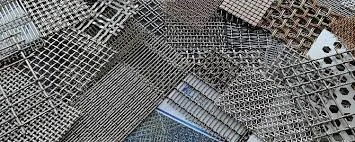
This article explores the advantages and disadvantages of stainless steel mesh compared with other materials, including detailed comparisons in corrosion resistance, strength, lifespan, cost, and usability. Whether you're sourcing mesh for filtration, fencing, construction, or decoration, this comprehensive guide will help you make an informed decision.
1. Why Material Choice Matters for Mesh Applications
Mesh materials are not just functional components-they can determine the lifespan, performance, maintenance cost, safety, and aesthetic appeal of the final installation. Whether you are designing filtration systems, kiosks, fencing, architectural facades, insect screens or structural reinforcement, the mesh material influences:
- The mechanical strength (tensile, shear, impact)
- The stability in harsh environments (corrosion, UV, chemicals, temperature)
- The long-term maintenance and replacement cost
- The suitability for the application (food, marine, décor, heavy industry)
- The weight, cost and ease of installation
Stainless steel mesh has become a go-to solution in many demanding sectors because of its combination of properties. However, other materials-such as aluminium, brass, nylon/plastic, or galvanized steel-may still be viable or even preferable in certain lower-demand or cost-sensitive applications. Understanding when to choose stainless steel and when another material may suffice (or even outperform) is key.
In this section we'll survey the broad context: what mesh materials are commonly used, what trade-offs exist, and why stainless steel often leads.

1.1 Key Characteristics
|
Property |
Description |
Advantage |
|
Material Composition |
Iron alloy with chromium (≥10.5%), nickel, and molybdenum. |
Provides excellent corrosion resistance and durability. |
|
Corrosion Resistance |
Resists rust, oxidation, and most chemicals. |
Ideal for harsh environments like marine or chemical plants. |
|
Strength & Hardness |
High tensile strength and structural rigidity. |
Suitable for heavy-duty industrial use. |
|
Temperature Resistance |
Performs well in both high and low temperatures. |
Useful in filtration, ovens, furnaces, and cryogenic systems. |
|
Appearance |
Smooth metallic finish, can be polished or matte. |
Aesthetic appeal for architectural applications. |
1.2 Common Mesh Materials and Their Characteristics
Here is a high-level comparison of typical mesh materials used in industry and architecture:
|
Material |
Key Advantages |
Key Disadvantages |
Typical Use-Cases |
|
Stainless Steel (e.g., SS 304, SS 316) |
Excellent corrosion resistance, high strength, durable, hygienic, long service life |
Higher upfront cost, heavier than lighter alloys |
Marine environments, food processing, architecture, filtration, long-life installations |
|
Aluminium |
Very lightweight, good strength-to-weight ratio |
Lower strength than steel, may deform, lower corrosion resistance in harsh conditions |
Window/door insect screens, lightweight façades, decorative panels |
|
Brass / Bronze / Copper Alloys |
Attractive aesthetic (colour), decent corrosion resistance in mild conditions |
More soft than steel, can tarnish, less suitable in harsh or acidic environments |
Decorative mesh, architectural accents, light screening |
|
Galvanized Steel |
Lower cost than stainless steel, commonly available |
Zinc coating can wear off, base steel may corrode, less suitable for high-performance environments |
Fencing, general outdoor use when budget matters more than longevity |
|
Nylon / Plastic Mesh |
Very lightweight, flexible, often low cost |
Poor corrosion resistance, lower strength, limited lifespan in UV/chemical environments |
Light duty screens, temporary uses, non-structural applications |

1.3 Why Stainless Steel Often Stands Out
When the environment is harsh, longevity is required, and performance matters, stainless steel mesh frequently out-performs alternative materials. Some of its key advantages include:
- Corrosion Resistance: Thanks to the chromium content that forms a passive oxide surface, stainless steel can resist rust and degradation even in marine or chemical environments.
- Strength & Stability: It can maintain its structural integrity under load, abrasion, high temperature, and extended service, which many plastics or light metals cannot.
- Long Service Life: Because it doesn't easily corrode, warp, or degrade, the total cost of ownership can be lower despite higher initial cost.
- Hygienic & Cleanable Surface: For food, medical or clean-environment uses, stainless steel is preferred given its surface finish and resistance to contamination.
- Aesthetic & Architectural Appeal: In modern architecture, stainless steel mesh offers a premium, clean look with durability to match.
1.4 But It's Not Always the Best Choice
Despite the many benefits, stainless steel is not universally superior for all applications. Some scenarios where alternative materials may be more appropriate include:
- Projects with very limited budget and low performance demands (e.g., temporary fencing)
- Applications where weight must be minimized and extreme loads are not involved (e.g., lightweight screening)
- Environments where higher thermal expansion, chemical compatibility or other constraints favor a different alloy or material
- Decorative uses where the aesthetics of another material are required (e.g., brass for golden tone)
Thus, the real question isn't simply whether stainless steel mesh is "better" in all cases-but which material is the best choice for your specific application.

2. In-Depth Comparison: Stainless Steel Mesh vs Other Materials
Here we examine in greater detail how stainless steel mesh stands up against specific alternative materials. This section will provide deeper comparison on key parameters and application contexts.
2.1 Corrosion Resistance and Environmental Suitability
Corrosion is a major factor in material selection especially when mesh is used outdoors, near marine environments, chemical processing plants, or exposed to weather.
For example, research shows that SS 316 mesh in salt-spray tests may withstand over 1,000 hours without pitting, whereas galvanized steel may only reach 250–500 hours.
Plastic or nylon meshes may degrade quickly in UV exposure, chemical exposure, or under sustained mechanical stress.
In screening of fine aggregates in mining, stainless steel is often chosen because the cost of mesh change or downtime is very high; stainless allows smaller diameter wires for equivalent strength, reducing cost over time.
2.2 Strength, Load-Bearing, and Mechanical Durability
When mesh is used for fencing, reinforcement, structural support or heavy duty sieving, mechanical strength matters.
Stainless steel meshes maintain better dimensional stability under load and heat than many light metals or plastics.
Aluminium mesh may have good strength-to-weight ratio, but under heavy load or impact it may deform or fail earlier.
Brass or bronze may be malleable-they may yield more easily under stress and after exposure to harsh conditions the finish may degrade.
2.3 Lifespan, Maintenance & Total Cost of Ownership
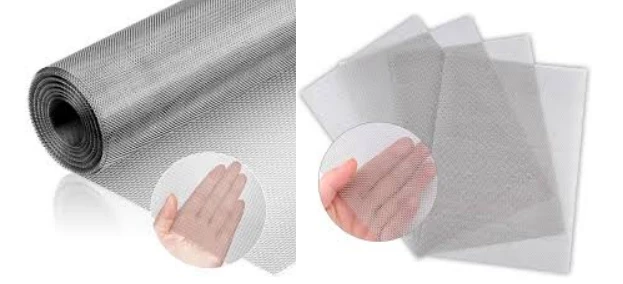
One of the key advantages of stainless steel mesh is its long service life, which can offset the higher upfront cost.
In industrial filtration, operators prefer stainless mesh because changing out mesh is costly in downtime-so durability becomes cost-effective.
Other materials may require more frequent replacement or maintenance, which increases lifetime cost. For example, galvanized coatings can degrade; plastics may fatigue or break.
Therefore even if stainless steel costs more initially, its total cost of ownership may be lower for demanding applications.
2.4 Aesthetics, Hygiene, and Specialized Applications
In certain applications material choice is driven not just by performance but by appearance, cleanliness, regulatory compliance, or material compatibility.
Stainless steel has a modern, sleek metallic finish favored in architecture. It also is easy to clean and approved for food/pharma use.
Aluminium or brass may have aesthetic advantages (lightweight or golden tone respectively) but may not match stainless in durability or hygiene.
Plastic or nylon mesh may be cheap and lightweight but can look cheap and degrade, which may be unacceptable in high-end projects.
2.5 Application-Specific Suitability
No single material is ideal for all use-cases. It's important to match material to application:
|
Application Type |
Recommended Material |
Why |
|
Marine, coastal, chemical process |
Stainless steel (SS 316) |
High corrosion resistance |
|
Lightweight screening, insect mesh, low budget |
Aluminium or plastic |
Low cost, light weight, low load |
|
Decorative architecture with premium finish |
Stainless steel or brass/bronze (if aesthetic) |
Durability + aesthetics |
|
General outdoor fencing (budget-sensitive) |
Galvanized steel |
Lower cost, adequate for moderate conditions |
|
Food / pharma filtration or hygienic screening |
Stainless steel (SS 304 / SS 316L) |
Hygiene, cleanability, corrosion resistance |
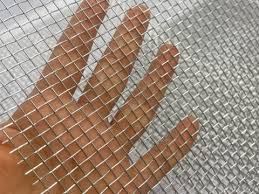
2.6 Summary of Comparison
In sum, when comparing stainless steel mesh vs other materials, one sees a pattern: stainless steel often leads in resistance, durability, strength and lifespan, but at higher cost and weight. Other materials may be chosen for lower cost, lighter weight, or specific aesthetic or budget constraints-but with trade-offs in performance or durability.
Thus the core question is: Which material will deliver the required performance for your application, at the best overall cost and lifecycle?
3. Choosing the Best Mesh Material for Your Project
Having reviewed the material profiles and comparisons, now let's look at the decision-making process: how to choose the best mesh material for your specific needs. This section can help you systematically evaluate and select the right option.
3.1 Key Factors to Consider
When selecting mesh material, consider the following parameters:
- Environment: Will the mesh be exposed to moisture, salt, chemicals, UV, temperature extremes or abrasion?
- Load & Mechanical Demands: Is the mesh structural, load-bearing, subject to impact or repeated use?
- Service Life / Maintenance: How long must it last? How accessible is maintenance or replacement?
- Regulatory / Hygiene Requirements: Food grade, medical grade, fire resistance, sanitary finish may dictate material.
- Aesthetic & Design Constraints: Is visible finish important? Colour, reflectivity, texture?
- Budget & Total Cost of Ownership: Up-front cost vs lifetime cost, downtime, maintenance.
- Weight & Installation Constraints: For large panels, weight may matter; for transport or mounting light materials may help.
- Customisation & Fabrication: Some materials are easier to fabricate, weld, finish, or cut to size.
- Supply Chain / Lead-time: Some materials or alloys may have longer lead times or cost premiums.
3.2 Decision Checklist
Use this checklist to guide your material selection:
- Define application load & environment: e.g., "outdoor marine, heavy wear, 20-year life".
- Rank priorities: Durability? Cost? Appearance? Hygiene?
- Short-list materials: For example, stainless steel, aluminium, galvanized steel.
- Compare performance vs cost: Create a table rating each material on your key criteria.
- Assess lifecycle costs: Consider initial cost + maintenance + replacements + downtime.
- Check fabrication and installation feasibility: Does the material require special tools or finishes?
- Select material (and possibly grade/alloy) that meets the requirements with acceptable cost and risk.
- Validate with supplier/manufacturer: Ask for grade specification, test data, guarantee, maintenance guidance.
3.3 Supplier Considerations & Material Grades
Once you identify the material type, you'll want to source from a reliable manufacturer and choose the correct grade. For stainless steel mesh for example, common grades include SS 304, SS 316, SS 316L. Each has its properties and suitability for environment.
Ask your supplier for:
- Material certification / grade
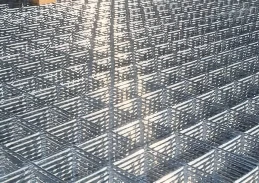
- Mesh structure (woven, welded, expanded)
- Wire diameter, aperture size, percentage open area
- Finish (bright, satin, coated)
- Fabrication tolerances
- Warranty or service life estimate
3.4 Example Material Decision Scenario
Imagine you are specifying mesh for an outdoor architectural façade in a coastal environment (exposed to salt air), where aesthetics matter, weight should be moderate, and you expect 15-20 years of service with minimal maintenance.
Environment: harsh (salt air) → favour high corrosion resistance
Load: moderate (architectural screen)
Aesthetic: high priority
Maintenance: low feasible
Given these, stainless steel mesh (SS 316 or SS 316L) would clearly come out ahead. Aluminium or galvanized steel might cost less initially but may require frequent maintenance or early replacement.
3.5 Final Recommendation
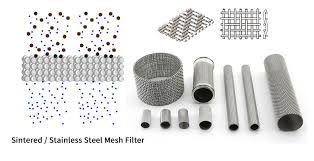
The bottom line: if your application demands strength, durability, corrosion resistance and long life, go with stainless steel mesh. If the application is light duty, low cost, or short life expectancy, then alternative materials may offer acceptable performance at a lower cost. Always evaluate total lifecycle, not just upfront cost.
Sub-Article A: Stainless Steel Mesh vs Aluminium, Brass, Galvanized & Plastic Mesh
In this sub-article we will compare stainless steel mesh with each of several major alternative materials- aluminium, brass (and bronze), galvanized steel, and plastic/nylon mesh-looking at composition, performance, cost, application suitability and trade-offs.
A.1 Stainless Steel vs Aluminium Mesh
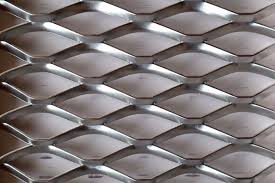
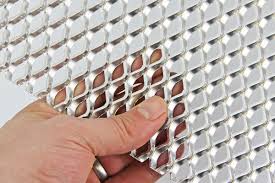
Composition & Properties: Aluminium's primary appeal is its low density which gives high strength-to-weight ratio. According to QS SourceMetal, aluminium mesh is often used where lightweight and moderate strength are required.
In contrast, stainless steel (304/316) has higher density but also significantly higher strength, abrasion resistance and corrosion resistance.
Performance in Use: While aluminium might be sufficient for window insect screening or lightweight architectural elements, for heavy duty screening, structural applications or marine exposure it may fall short. For example, aluminium can deform more easily under load or lose finish in salt/wet environments.
Maintenance & Longevity: Aluminium may require anodising or protective coatings to enhance corrosion resistance; in harsh conditions it may still degrade faster than stainless. On the other hand, stainless steel offers maintenance-free performance for many years.
Cost Considerations: Aluminium might be cheaper up-front, and lighter for transport/installation, but if its lifespan is significantly shorter or if maintenance is more frequent, the total cost may be higher.
Application Fit: Suitable for: light screens, décor, low-load façades, insect screens.
Stainless steel preferred for: heavy duty facades, marine, industrial screens, long-term installations.
A.2 Stainless Steel vs Brass / Bronze Mesh

Composition & Properties: Brass is an alloy of copper and zinc; bronze is copper + other alloying elements. These materials offer aesthetic appeal (e.g., golden or reddish tones) and decent corrosion resistance in mild conditions.
However, under acidic or harsh environments, brass can tarnish, corrode or discolor more rapidly.
Performance & Durability: While brass/bronze may be suitable for decorative screens or architectural accents, stainless steel offers superior mechanical strength, corrosion and wear resistance, and better suitability for industrial or harsh-environment applications.
Maintenance & Cost: Brass may require more frequent maintenance (polishing, cleaning) and over time the cost may add up. Stainless steel may cost more initially but requires far less maintenance.
Application Fit: Brass/bronze: decorative panels, interior screens, moderate exposure. Stainless steel: industrial filtration, outdoor marine, high durability architectural, food/pharma screening.

A.3 Stainless Steel vs Galvanized Steel Mesh
Composition & Properties: Galvanized steel mesh is mild steel wire coated with zinc (via galvanising) to provide corrosion protection.
Stainless steel is inherently corrosion resistant without coating.
Corrosion Resistance & Lifespan: Zinc coatings on galvanized steel can wear off or get damaged at weld points or in harsh environments, leading to rust of the base steel. Stainless steel, especially grades like 316, maintain corrosion resistance even when scratched. For example, salt-spray resistance tests show stainless outlasting galvanized significantly.
Cost & Use Cases: Galvanized steel is often chosen when budget is limited and the environment is moderate (e.g., farm fencing, general construction). Stainless steel becomes cost-effective when the environment is demanding (marine, chemical, high humidity) or when life-span and maintenance matter.
Application Fit: Galvanized steel: agricultural fencing, general outdoor use in moderate conditions, construction reinforcement. Stainless steel: food/water industry, marine, chemical plants, long-life outdoor architectural, high-end security fencing.
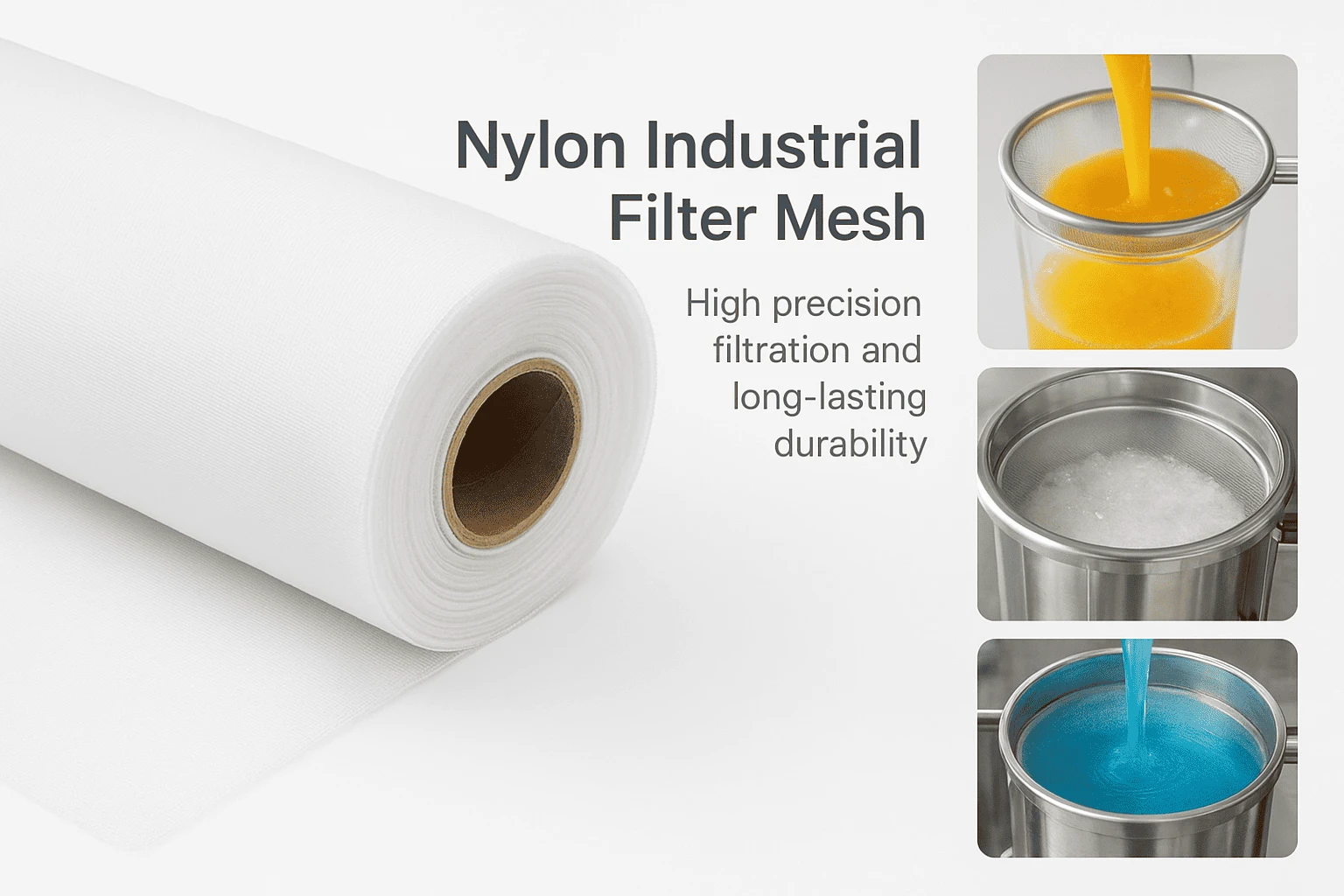
A.4 Stainless Steel vs Plastic / Nylon Mesh
Composition & Properties: Plastic or nylon mesh is lightweight, inexpensive, and flexible. These characteristics make them suitable for low-cost, low-load applications.
However, their strength, abrasion resistance, UV stability and high-temperature resistance are limited compared to metals.
Durability & Performance: Plastic meshes may degrade under UV, heat, chemicals, abrasion, and may have a significantly shorter service life relative to stainless mesh. For instance, nylon meshes can fray or tear under stress in challenging environments.
Cost & Lifetime: Up-front cost is very low, but replacement frequency may be higher, leading to more downtime or maintenance expense over time. Stainless steel, though costlier, may last far longer, making it more economical in moderate to heavy duty uses.
Application Fit: Plastic/nylon: insect screens, temporary barriers, indoor light duty uses. Stainless steel: industrial, high-load, outdoor, hygienic, long-life uses.
A.5 Summary Comparison Table
|
Material Comparison |
Up-front Cost |
Strength / Load Capacity |
Corrosion Resistance |
Maintenance Requirement |
Life Span (Estimate) |
|
Stainless Steel Mesh |
High |
Excellent |
Excellent |
Low |
Very Long (10-30+ yrs) |
|
Aluminium Mesh |
Moderate |
Good (light loads) |
Moderate |
Moderate |
Moderate (5-15 yrs) |
|
Brass/Bronze Mesh |
High-ish |
Moderate |
Fair-Good (in mild) |
Moderate-High |
Moderate (10-20 yrs) |
|
Galvanized Steel Mesh |
Low-Moderate |
Good |
Fair (depends on coating) |
Moderate |
Moderate (5-15 yrs) |
|
Plastic/Nylon Mesh |
Very Low |
Low |
Poor (UV/chemicals) |
High |
Short (2-10 yrs) |
A.6 Final Takeaways for Sub-Article A
If your priority is long life, high performance, low maintenance, stainless steel mesh is a compelling choice.
If the environment is mild, loads are low, budget constrained, or life-span is short, alternative materials may suffice.
Always calculate total cost of ownership, not just initial purchase price.
Match the material to environment, load, lifespan, maintenance capacity and design constraints.
Sub-Article B: Application-Specific Use Cases & When Stainless Steel Mesh Truly Excels
In this sub-article we focus on actual applications and environments where stainless steel mesh delivers distinct advantages, illustrating with real-world use cases and specific material implications.
B.1 Marine & Coastal Environments
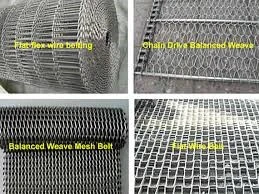
The environment near coastlines or on ships is one of the harshest for mesh materials: high salt content, humidity, wind, abrasion from sand, and often heavy loads.
Stainless steel, especially SS 316, resists chloride corrosion and maintains integrity over long periods.
Alternative materials (galvanized steel, aluminium) may deteriorate rapidly in these conditions, leading to early failure, rust stains, structural weakening or safety risks.
For example, in architectural façades along corrosive environments, studies show architects favour stainless steel for its performance and low maintenance.
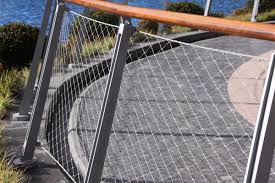
Therefore, for marine or coastal installations (fencing, railing infills, balustrades, screens) stainless steel mesh is often the best choice.
B.2 Industrial Filtration, Chemical Processing & Food/Pharma Applications
Here the demands include: chemical resistance, temperature resistance, hygiene, precise filtering performance, regular cleaning, minimal downtime.
Mesh may be exposed to acids, solvents, high temperature wash-downs or steam cleaning. Stainless steel grades are well suited for these.
Plastic or nylon mesh may not survive high temperature, chemical exposure or continue meeting hygiene standards.
Maintenance costs, downtime or contamination risk can offset any lower material cost in such demanding applications.
In filtration and separation of fine aggregates or powders, stainless steel is often preferred because of durability and predictable performance.
B.3 Architectural & Decorative Mesh Applications
In modern design, mesh is not just functional-it's visible. The choice of material affects aesthetics, longevity, maintenance, and value.
Using stainless steel mesh gives a premium finish, long life, no rust streaks, good cleanability. For example, in façades the choice of stainless steel is justified for its "value over weight" and visual longevity.
Other materials (brass, bronze, aluminium) may offer different aesthetics or weight advantages but may require more care or expect earlier replacement.
When mesh forms part of a visible architectural feature expected to last decades with minimal maintenance, stainless steel is highly competitive.
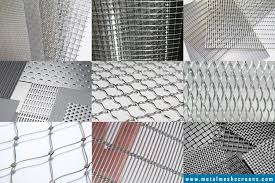
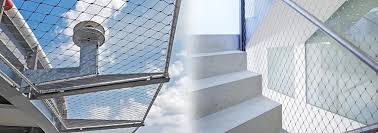
Example uses: external facades, sun-shades, balustrade infills, partition screens, art installations, security screens.
B.4 Heavy-Duty Fencing, Security & Structural Reinforcement
For meshes that must bear loads, resist impact, vandalism, or act as barriers (prisons, airports, industrial facilities), material choice is critical.
Stainless steel meshes offer superior strength and durability, meaning fewer replacements and better long-term reliability.
Galvanised steel may be cheaper but may require replacement when coatings wear out or welds fail in high-stress zones.
Thus in security or structural reinforcement applications stainless steel mesh may justify the higher price by delivering consistent performance.
B.5 Light Duty Screens & Economic Choices
On the flip side, there are numerous applications where high performance is not needed-simple insect screens, temporary barriers, light decorative panels, cost-driven installations.
In such cases aluminium or plastic mesh may suffice. For example, a residential insect screen may accept lower cost and shorter service life without major risk.
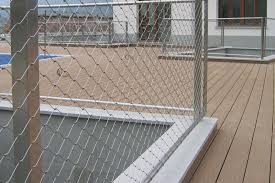
However it remains important to check the environment: If the screen is outdoors in sun/UV, or near corrosive conditions, even these "light duty" uses may benefit from stainless steel despite cost.
B.6 Summary of Sub-Article B
Identify the environment and demand of the application.
For harsh, high-load or long-life applications, stainless steel mesh often excels.
For light duty, short-life, or budget-sensitive installations, alternative materials may be acceptable.
Decisions should consider lifespan, maintenance, replacement cost, aesthetic and performance- not just upfront material cost.
Sub-Article C: Practical Guidelines for Implementing Mesh Material Selection and Procurement
In this sub-article, we provide a step-by-step practical guide for procurement, specification, installation and maintenance of mesh materials-with a focus on how choosing stainless steel mesh (or alternatives) plays out in practice.
C.1 Specification & Grade Selection
When selecting stainless steel mesh (or alternatives), you need to specify key parameters:
- Material Grade: For stainless steel this commonly means SS 304 (general environment) or SS 316/316L (marine, chemical, hygienic).
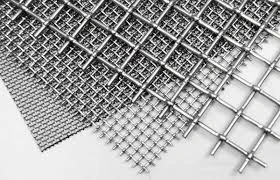
- Mesh Type & Weave: Woven, welded, expanded-each has different structure and performance. The weave influences strength, open area, rigidity.
- Wire Diameter & Aperture Size: These affect strength, filtration capability, open area percentage.
- Finish & Surface Treatment: For example, bright mill finish, passivated stainless steel, anodised aluminium, coated plastic.
- Panel Size, Weight & Installation Considerations: Especially for large façade panels or load-bearing components.
- Fabrication & Installation Conditions: Welding, cutting, expansion, transport; some materials are easier/more economical to handle.
C.2 Procurement - What to Check & Ask Suppliers
When sourcing mesh material, ensure the supplier provides:
- Material test certification (grade, composition)
- Recommended use environment and expected service life
- Fabrication data (how it is welded / woven, tolerances)
- Finish and surface condition (for corrosion, cleanability)
- Maintenance guidelines (cleaning, inspection intervals)
- Lead-time, shipping, warranties
- Cost break-down (including installation, replacement, maintenance)
C.3 Installation & Maintenance Considerations
- Handling & Installation: Some materials (like stainless steel) are heavier and require stronger supports; plastics may require UV-protected fixings.
- Fixings & Supports Compatibility: Ensure all fixings (bolts, frames) are compatible with mesh material (to avoid galvanic corrosion, mismatched expansion).
- Maintenance Access: If inspection or cleaning is needed, consider how material will perform over time-does it need frequent cleaning, or will dirt/corrosion accumulate?
- Finish & Cleanability: For hygienic or architectural uses, stainless steel offers better surface characteristics. For example in food processing, stainless steel is preferred because of its cleanability and inertness.
- Replacement Strategy: How easy is it to replace panels? If material requires frequent replacement, total cost goes up-so a more durable material may pay off.
C.4 Lifecycle Cost Considerations
Rather than just comparing purchase price, consider:
Up-front cost of material and installation
Expected operating life (how many years until replacement)
Maintenance, cleaning, downtime cost
Risk of failure (which may cost drastically more)
Value of appearance, aesthetic retention, brand image
For example, although stainless steel mesh may have higher initial cost, if it lasts 20+ years in a harsh environment versus 5–10 years for a cheaper alternative, the annualised cost may be lower.
C.5 Environmental & Sustainability Considerations

Increasingly, buyers consider the environmental impact and sustainability of materials.
Stainless steel is highly recyclable and retains integrity after recycling.
Plastic or nylon meshes often have shorter life and may contribute to landfill or environmental waste.
Choosing a longer-life material reduces replacement frequency, waste, and downtime.
Sustainable specification may also favour materials with lower maintenance and longer lifespan-an added benefit of stainless steel.
C.6 Risk Mitigation & Future Proofing
Some factors to consider to reduce risk:
Choose a material with margin in performance (e.g., higher grade stainless steel than strictly needed) if environment may worsen (e.g., future chemical exposure, climate change).
Avoid cheaper materials when environment may degrade them faster (e.g., aluminium near sea spray, plastic in high UV).
Make sure supplier warranties cover material degradation, finish, corrosion; inspect samples.
Consider future maintenance and replacement cost in specification.
C.7 Summary of Sub-Article C
By evaluating the whole life performance, environment, application demands, and installation/maintenance realities, you can make a material selection that is both cost-effective and high performing. Stainless steel mesh often rises to the top for demanding applications, but only if you understand and execute the specification, procurement, installation and maintenance properly.
Conclusion
Selecting the right mesh material is not just a matter of cost-it is a strategic decision that can affect performance, lifespan, maintenance, aesthetics and total cost of ownership. When comparing stainless steel mesh vs other materials, it becomes clear that stainless steel offers a superior combination of corrosion resistance, strength, long service life and versatility, which makes it the best choice in many demanding applications.
However, alternative materials still have their place in cost-sensitive, low-load or short-life uses.
By applying a systematic decision process-evaluating environment, load, lifespan, installation, maintenance and cost-you can choose the best material for your project. For projects demanding high performance, long life and minimal maintenance, stainless steel mesh often offers the best value despite higher upfront cost.