





While the material properties and functional advantages of woven wire mesh are well established, selecting the right mesh for a specific application is critical to maximize performance, durability, and safety. This sub-article explores specification criteria, selection guidelines, maintenance practices, and lifecycle considerations, providing a comprehensive resource for engineers, designers, and maintenance professionals.


1. Specification Guidelines
Woven wire mesh is highly versatile, but its effectiveness depends on specifying the correct parameters.
1.1 Mesh Count and Opening Size
Mesh count determines the number of openings per linear inch and directly affects particle retention, airflow, and visibility.
|
Mesh Count |
Wire Diameter |
Opening Size |
Open Area (%) |
Typical Application |
|
8×8 |
1.0 mm |
3.0 mm |
50% |
Chimney spark arrestors, large debris protection |
|
10×10 |
0.8 mm |
2.0 mm |
45% |
Wood-burning fireplace caps, HVAC guards |
|
20×20 |
0.5 mm |
1.0 mm |
40% |
Fine filtration, air/gas separation |
|
30×30 |
0.25 mm |
0.5 mm |
50% |
Industrial chemical filtration, precision sieving |
Key Considerations:
Higher mesh count → finer openings → better particle retention
Larger openings → improved airflow → less pressure drop
Balance required for application-specific requirements
1.2 Wire Diameter
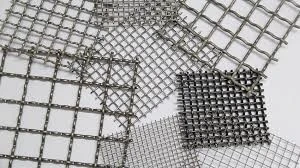
Wire diameter affects mechanical strength, durability, and ease of forming.
Thin wires (0.25–0.5 mm) for filtration and airflow-sensitive applications
Moderate wires (0.5–0.8 mm) for combined airflow and structural stability
Thick wires (1.0–1.5 mm) for heavy-duty mechanical protection or spark arrestors
Design Tip: Choose the minimum wire diameter that provides sufficient strength while maximizing open area and airflow.
1.3 Material Selection
|
Material |
Advantages |
Limitations |
Typical Use |
|
304 Stainless Steel |
Good corrosion & heat resistance, durable |
Moderate chloride resistance |
Chimney caps, HVAC screens, industrial sieves |
|
316 Stainless Steel |
Superior corrosion, high chemical resistance |
Higher cost |
Marine, chemical processing, high-exposure environments |
|
Carbon Steel |
High mechanical strength, cost-effective |
Prone to corrosion |
Indoor guards, non-corrosive industrial applications |
|
Brass/Copper |
Aesthetically appealing, corrosion-resistant |
Softer, lower mechanical strength |
Decorative, low-load architectural applications |
1.4 Weave Pattern Selection
|
Weave Type |
Features |
Best Use |
|
Plain |
High open area, simple design |
Spark arrestors, general filtration |
|
Twill |
Higher strength, wear-resistant |
Protective guards, architectural panels |
|
Dutch |
Fine filtration, minimal clogging |
Industrial liquid/air filtration |
|
Reverse Dutch |
Extremely strong, precise filtration |
Chemical, pharmaceutical applications |


1.5 Open Area Considerations
Open area (%) = ratio of void space to total mesh area
High open area → better airflow, lower pressure drop
Low open area → higher particle capture, stronger containment
Typical ranges: 40–60% for most applications; adjustments made for specific flow or safety needs
2. Selection Criteria for Woven Wire Mesh
Proper selection ensures long-term performance, safety, and cost-efficiency.
2.1 Environmental Factors
Temperature: High-temperature applications require alloys with heat resistance (304 or 316 SS)
Corrosion Exposure: Marine or chemical environments demand 316 SS or higher-grade materials
Mechanical Stress: Wind, vibration, impact - thicker wire diameters or twill weaves
2.2 Functional Requirements
Filtration: Mesh count and weave pattern define particle retention
Spark Containment: Opening size and alloy selection critical
Airflow: Open area and mesh thickness balance flow versus containment
2.3 Regulatory Considerations
Fire safety codes for spark arrestors (NFPA standards)
Industrial filtration standards (ISO, ASTM)
Environmental regulations (air and water filtration)
Compliance ensures legal safety, insurance coverage, and operational reliability.

2.4 Cost vs Performance Tradeoff
|
Option |
Initial Cost |
Lifespan |
Maintenance |
Functional Performance |
|
Plastic/Polymer Mesh |
Low |
1–5 years |
Frequent replacement |
Low heat & mechanical resistance |
|
Perforated Metal |
Moderate |
5–10 years |
Occasional maintenance |
Moderate performance |
|
Woven Wire Mesh |
Moderate–High |
10–20 years |
Minimal maintenance |
Excellent across all performance metrics |
Key Insight: Although initial cost may be higher, woven wire mesh provides long-term value through durability, reduced maintenance, and safety.
3. Maintenance Practices
Even durable woven wire mesh requires proper maintenance to ensure optimal performance and long life.
3.1 Inspection Intervals
|
Interval |
Task |
Indicators |
|
Monthly (industrial use) |
Visual inspection |
Deformation, corrosion, clogging |
|
Bi-annually |
Remove and clean mesh |
Accumulated debris, dust, soot |
|
Every 3–5 years |
Full structural inspection |
Wire fatigue, weld integrity, corrosion |
3.2 Cleaning Methods
Mechanical cleaning: Brush, air blower for dust or soot removal
Chemical cleaning: Mild detergents or solvents for grease, chemical deposits
Ultrasonic cleaning: Industrial applications for precision mesh
Tip: Always select cleaning method based on material and application to avoid damaging wires.
3.3 Repair and Replacement
Minor bent wires can sometimes be straightened
Severely corroded or damaged mesh must be replaced
Replacement intervals depend on environmental exposure and mechanical stress

4. Lifecycle Benefits of Woven Wire Mesh
4.1 Long-Term Durability
Stainless steel mesh can last 10–20 years in outdoor or industrial conditions
Maintains structural integrity under thermal cycling, vibration, and mechanical stress
4.2 Safety and Reliability
Retains functionality for spark arrestors, flame arrestors, or filtration
Prevents costly incidents caused by failure of protective barriers

4.3 Cost Efficiency
Reduced replacement frequency
Minimal maintenance required
Low downtime in industrial operations
Long-term savings outweigh initial cost
4.4 Sustainability Considerations
Recyclable materials: Stainless steel can be recycled at end-of-life
Reduced waste: Durable mesh reduces frequent replacements
Energy efficiency: Open area promotes efficient airflow, reducing energy demand in HVAC systems
4.5 Case Study: Industrial Exhaust System
Application: High-temperature exhaust filtration for a chemical plant
Mesh: Dutch weave, 316 stainless steel, 30×30 mesh count, 0.25 mm wire
Requirements: Particle retention <10 microns, withstand 600°C, chemical exposure
Outcome: Mesh operated continuously for 8 years without replacement; minimal maintenance required

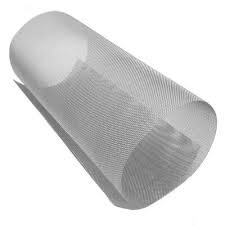
4.6 Case Study: Architectural Sunshade Panels
Application: Stainless steel mesh sunshades for a commercial building
Mesh: Twill weave, 304 SS, 20×20 mesh, 0.5 mm wire
Requirements: Reduce sunlight, maintain airflow, aesthetic durability
Outcome: Panels maintained structural integrity and visual appearance over 15 years in outdoor conditions
4.7 Comparative Table: Lifecycle vs Alternatives
|
Feature |
Woven Wire Mesh |
Plastic Mesh |
Perforated Metal |
|
Lifespan |
10–20 years |
1–5 years |
5–10 years |
|
Maintenance Frequency |
Low |
High |
Medium |
|
Corrosion Resistance |
High |
Low |
Medium |
|
Heat Resistance |
High |
Poor |
Medium |
|
Long-Term Cost Efficiency |
Excellent |
Poor |
Moderate |


READ MORE:Functional Advantages and Real-World Applications of Woven Wire Mesh
5. Summary
Specification: Mesh count, wire diameter, alloy, open area, and weave type are critical
Selection Criteria: Environment, function, regulatory compliance, mechanical stress, airflow
Maintenance: Regular inspection, cleaning, and occasional replacement ensures longevity
Lifecycle Benefits: Durable, safe, cost-effective, and sustainable
Conclusion: Thoughtful specification and maintenance of woven wire mesh ensures it delivers exceptional performance, long-term safety, and value, making it the material of choice across industrial, commercial, and residential applications.