






This comprehensive guide explores how to correctly install wire mesh in plaster walls - whether it's for residential renovation, commercial construction, or industrial wall reinforcement. Proper mesh installation ensures a smooth, crack-free, and long-lasting plaster surface.
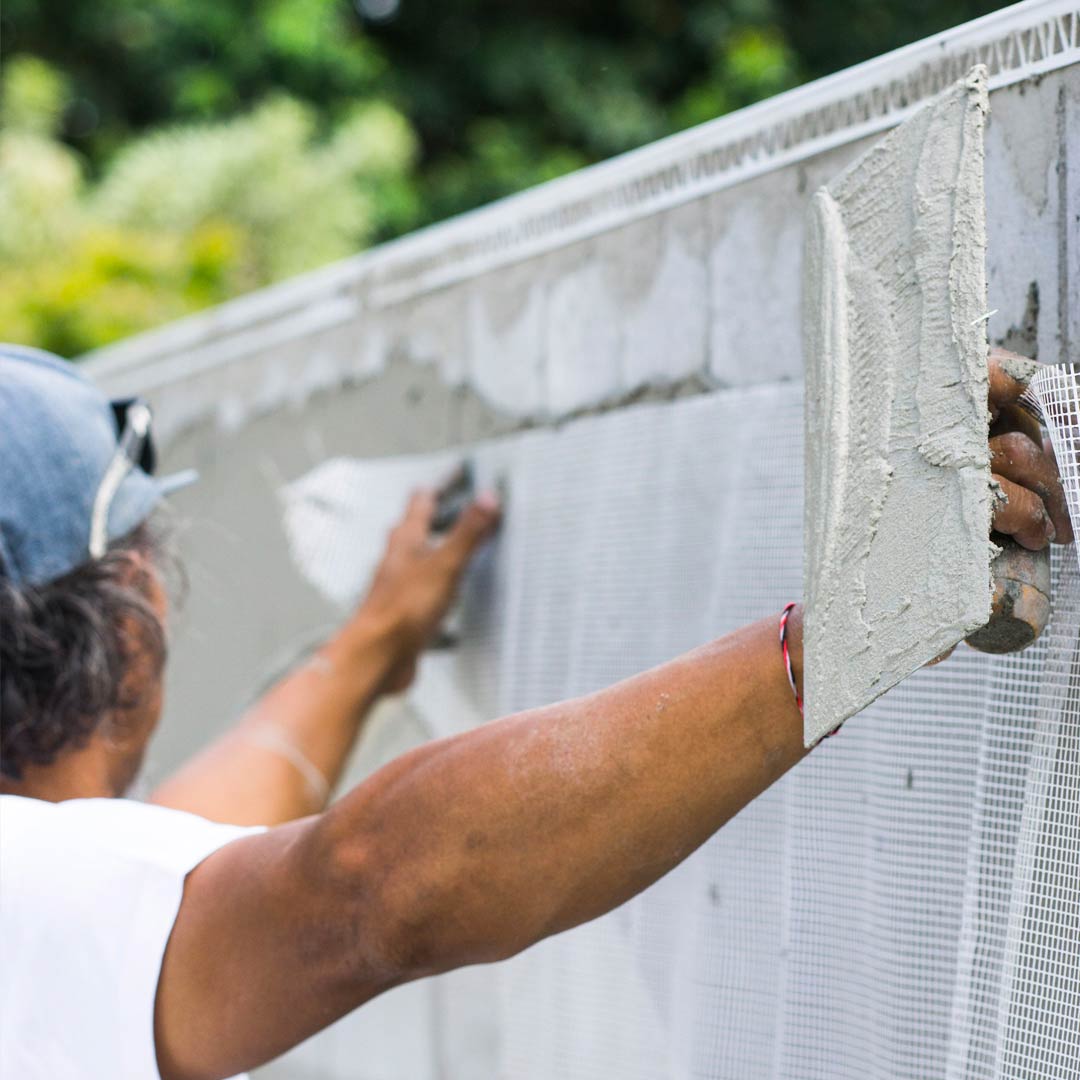
Importance of Proper Mesh Installation
Proper installation of wire mesh in plaster walls is the cornerstone of durable and crack-free wall surfaces. Many construction failures occur not because of poor materials, but due to incorrect mesh placement or embedding.
Wire mesh works as a reinforcement skeleton within the plaster layer. It provides:
Stress Distribution: Mesh evenly distributes tensile and shear forces across the plaster layer. This is particularly important for high-ceiling installations or walls subject to vibration.
Adhesion Enhancement: The mesh creates a rough surface that helps plaster bond firmly to substrates, reducing delamination risks.
Thermal Movement Compensation: Expansion and contraction caused by temperature fluctuations are absorbed by the mesh, preventing surface cracks.
Standards and Regulations:
ASTM C1063: Specifies minimum reinforcement requirements for lath and plaster systems, including wire mesh spacing, overlap, and substrate attachment.
BS EN 13658-1: Defines performance requirements for reinforcement mesh in plastered walls, focusing on corrosion resistance and tensile strength.
ICC (International Code Council): Requires corrosion-resistant mesh in high-humidity environments such as bathrooms or exterior walls in coastal zones.
Example:
In a commercial high-rise in Florida, standard plaster without embedded mesh cracked after hurricane-level winds. A retrofit with galvanized wire mesh corrected the issue, distributing the forces and restoring wall integrity.
Tools and Materials Required
The right tools and materials are essential for professional-quality plaster mesh installation. Each component contributes to the final performance and durability of the wall.
Wire Mesh Selection
Material: Galvanized steel is the most common for general-purpose walls. Stainless steel (304 or 316) is used in high-moisture or chemically aggressive environments.
Mesh Size: Smaller openings (1–2 inch) improve adhesion for fine plaster layers; larger openings suit heavy stucco or textured coatings.
Coatings: Epoxy-coated or PVC-coated mesh offers extended corrosion resistance, especially in exterior or industrial applications.
Fasteners and Anchoring
Masonry Nails / Staples: Required for brick or block substrates. Stainless steel fasteners prevent rust stains.
Adhesives / Anchors: Used in concrete or prefabricated panels. They must match substrate type to avoid detachment.
Plaster Materials
Cement-based Plaster: Strong, durable, suitable for exterior walls.
Gypsum-based Plaster: Lightweight, smooth finish, mainly for interiors.
Specialty Coatings: Fire-resistant or water-repellent plasters may require specific mesh types or embedding depths.
Additional Tools
Wire cutters, pliers, hammers, trowels, floats, and levels.
Protective gear is mandatory: gloves, goggles, masks, and long sleeves to prevent injury from sharp mesh edges and cement dust.
Step-by-Step Wire Mesh Installation Process

Surface Preparation
Substrate Cleaning: Remove loose material, dust, or old paint. Roughen smooth surfaces to improve plaster bonding.
Moisture Check: Ensure walls are dry. Excess moisture may reduce adhesion or cause rust in non-stainless meshes.
Primer Application: In some cases, apply a PVA primer or bonding agent to ensure plaster adhesion, particularly on concrete or previously painted surfaces.
Cutting and Fitting the Mesh
Use heavy-duty wire cutters to cut mesh sheets.
Overlap adjacent mesh sheets by at least 50 mm (2 inches).
Corners require careful folding or trimming to maintain flatness and avoid protruding edges.
Fixing the Mesh
Masonry Walls: Use corrosion-resistant nails or washers.
Wooden Laths: Staple mesh securely with stainless steel staples.
Concrete / Prefabricated Panels: Use mechanical anchors or chemical adhesives for strong fixation.
Spacing: Fixing points should be no more than 150 mm (6 inches) apart. For ceilings, closer spacing is recommended to prevent sagging.
Applying the Scratch Coat
Embed the mesh into the first plaster coat (5–10 mm).
Ensure the mesh is completely covered but not buried too deep.
Scratch the surface horizontally to improve adhesion for the finishing coat.
Final Coat and Finishing
Apply final plaster coat 5–10 mm thick.
Smooth surface with float and maintain moisture for proper curing.
Avoid applying plaster too thickly over mesh, as it can crack or sag.
Case Example:
A multi-story office project in Chicago used stainless steel 316 mesh in interior walls. The proper embedding technique prevented cracks caused by HVAC vibration, resulting in zero repair requests over five years.
Common Installation Mistakes and How to Avoid Them
| Mistake | Consequence | Expert Correction |
|---|---|---|
| Rusty Mesh | Rust stains and weak adhesion | Use galvanized or stainless steel mesh |
| Improper Overlap | Cracks along joints | Maintain 50–75 mm minimum overlap |
| Mesh Movement During Plastering | Uneven thickness, sagging | Secure mesh firmly with correct fasteners |
| Too Thick Plaster | Cracks or detachment | Adhere to recommended layer thickness |
| Inconsistent Fixing Pattern | Stress points | Uniform spacing at 150 mm or closer |
Additional Tips:
Always check mesh flatness before plastering.
Avoid stretching mesh excessively; tension may cause warping.
Mark sections and corners clearly to maintain consistency.
Maintenance and Longevity
Proper maintenance of plaster walls reinforced with wire mesh is essential for ensuring long-term durability, aesthetic appeal, and structural integrity. While the mesh itself provides strength and crack resistance, environmental conditions, installation quality, and plaster type significantly affect the overall lifespan.
H3. Regular Inspections
Frequency: Conduct inspections at least once or twice per year, especially in high-humidity areas like bathrooms, kitchens, or coastal exteriors.
What to Look For:
Surface cracks, bulges, or sagging
Rust spots on galvanized mesh (may indicate water ingress)
Discoloration or peeling plaster
Action: Early detection allows for minor patching before issues escalate into large-scale repairs.
Case Example: In a Miami apartment complex, routine inspections identified small hairline cracks near balcony edges. Minor plaster repairs prevented water penetration and extended the wall's lifespan by over a decade.
Cleaning and Environmental Care
Exterior Walls: Remove moss, algae, or chemical residues using soft brushes or mild detergents. Avoid high-pressure washing, which can disturb the embedded mesh.
Interior Walls: Dust and dirt accumulation can affect plaster finish but generally won't compromise structural integrity. Use microfiber cloths or low-pressure vacuuming.
Climate Considerations: Coastal buildings with salty air require stainless steel mesh or epoxy-coated mesh to resist corrosion. In inland dry climates, galvanized mesh typically performs well.
Example: A commercial building in California used epoxy-coated mesh for exterior stucco. Annual soft washing maintained surface aesthetics and prevented rust streaking, preserving structural reinforcement.
Repairing and Re-plastering Over Existing Mesh
Minor cracks or localized plaster detachment can be repaired without removing the mesh.
Steps:
● Clean damaged area and remove loose plaster.
● Assess mesh condition; ensure it remains intact and properly anchored.
● Apply bonding agent if necessary.
● Re-plaster, ensuring new layers fully cover and integrate with existing mesh.
Tip: Always feather edges of new plaster to blend seamlessly with the original surface.
Case Example: A hotel renovation project in Houston repaired multiple interior wall cracks caused by HVAC vibration. Using stainless steel mesh and proper patching techniques, repairs remained intact for over five years with zero rework required.
Lifespan Prediction and Factors
| Mesh Type | Environmental Suitability | Expected Lifespan | Maintenance Notes |
|---|---|---|---|
| Galvanized Steel | Dry, low-humidity interiors | 10–20 years | Inspect for rust; repaint if needed |
| Stainless Steel 304 | Indoor, moderate humidity | 25–30 years | Minimal maintenance; occasional cleaning |
| Stainless Steel 316 / 316L | Coastal, high-humidity, chemical exposure | 35–50 years | Resistant to corrosion; periodic inspections recommended |
| Epoxy-Coated Mesh | Outdoor, industrial | 30+ years | Coating protects from moisture; inspect for coating damage |
Factors Affecting Longevity:
● Installation Quality: Proper embedding and fixing reduce sagging or delamination.
● Plaster Thickness and Type: Cement-based plaster is more durable outdoors; gypsum works best indoors.
● Environmental Exposure: Salt air, industrial pollutants, and UV light can accelerate plaster deterioration.
● Maintenance Frequency: Regular inspections and minor repairs extend service life significantly.
Preventive Maintenance Strategies
● Apply protective coatings on exterior plaster to reduce moisture penetration.
● Ensure proper roof and gutter drainage to prevent water infiltration behind walls.
● Avoid hammering, drilling, or impact on plastered walls which may compromise embedded mesh.
● Document repair history for long-term monitoring and predictive maintenance scheduling.
Industrial Insight: Many high-end commercial projects in coastal regions now specify 316L stainless steel mesh for plastered facades, paired with epoxy-modified cement plaster, to achieve multi-decade service life with minimal maintenance.
Wire mesh-reinforced plaster walls can last decades if properly installed, maintained, and repaired when necessary. Choosing the right mesh type for environmental conditions, performing regular inspections, and adhering to preventive maintenance protocols ensures that the plaster remains crack-free, aesthetically pleasing, and structurally sound. For critical applications in coastal or industrial environments, investing in stainless steel or epoxy-coated mesh provides long-term reliability and minimizes lifecycle costs.


Sustainability and Modern Trends
In recent years, the construction industry has placed greater emphasis on sustainability, environmental responsibility, and long-term durability. Wire mesh in plaster walls has evolved to meet these demands, offering both functional reinforcement and ecological advantages.
H3. Eco-Friendly Materials and Recycling
Recyclable Steel: Both galvanized and stainless steel meshes are 100% recyclable. Using recycled steel in mesh production reduces carbon footprint and conserves natural resources.
● Life-Cycle Consideration: Wire mesh extends the lifespan of plaster walls by preventing cracks and delamination, reducing the need for frequent repairs or replacements. This lowers material consumption over decades.
● Green Certifications: Many modern projects aim for LEED or BREEAM certification, where durable reinforcement and recyclable materials contribute to points for sustainable building design.
Example: A LEED-certified office building in New York replaced traditional plaster with mesh-reinforced plaster, achieving longer wall lifespan and reduced maintenance, contributing to sustainability credits.
Technological Innovations in Wire Mesh
Epoxy-Coated Mesh: Provides extra protection against moisture and chemical corrosion. Modern coatings allow longer lifespan for exterior walls, reducing replacement frequency and associated environmental impact.
Lightweight Composite Mesh: Emerging materials combine metal wire with fiberglass or polymer layers. These meshes are lighter, easier to install, and maintain similar tensile strength, improving worker safety and reducing transport energy costs.
Prefabricated Mesh Panels: Factories produce plaster panels with pre-installed reinforcement mesh, enabling precision-controlled quality, faster installation, and reduced waste on construction sites.
Industry Trends and Applications
Green Construction: Architects increasingly specify stainless steel or coated mesh for exteriors to reduce maintenance and increase longevity. This aligns with sustainable urban development goals.
Integration with Modern Plasters: Mesh-reinforced plaster now pairs with eco-friendly cement alternatives, low-carbon binders, and fire-resistant additives.
Digital Planning and BIM: Building Information Modeling (BIM) allows engineers to precisely calculate mesh placement, plaster thickness, and coverage, optimizing materials usage and minimizing waste.
Case Example: A new mixed-use development in Los Angeles used prefabricated mesh-reinforced plaster panels. The panels reduced on-site labor by 40%, minimized construction waste, and achieved uniform plaster thickness, enhancing durability and sustainability.
Longevity Meets Sustainability
Sustainable trends emphasize materials that last longer with minimal maintenance. Wire mesh ensures plaster walls resist cracking from thermal expansion, vibrations, or minor structural movement. By combining stainless steel or epoxy-coated mesh with green plaster, buildings achieve a 50+ year lifespan, reducing lifecycle environmental impact.
● Reduced material usage: Less frequent re-plastering reduces cement and steel consumption.
● Energy savings: Longer-lasting walls reduce energy expenditure for repairs and finishing.
● End-of-life recyclability: Steel mesh can be fully recycled into new construction materials.
Wire mesh in plastering is no longer just a structural reinforcement; it has become a key element in sustainable, high-performance construction. Advances such as epoxy coatings, lightweight composites, prefabricated panels, and BIM-based installation make plaster walls more durable, eco-friendly, and cost-efficient. As green building standards rise globally, mesh-reinforced plaster ensures long-lasting quality, lower environmental footprint, and reduced maintenance costs, positioning it as a forward-looking solution for modern construction.