







The structural integrity of stainless steel mesh is a cornerstone of modern industrial engineering and architectural design. Known for its exceptional ability to withstand extreme tension, pressure, and environmental degradation, this material is far more than a simple screening tool. Its strength is not derived from a single factor but from a complex synergy of metallurgical properties, precision weaving techniques, and the geometric distribution of stress across its lattice structure. Whether it is used to filter high-pressure hydraulic fluids or to provide an impenetrable barrier for high-security facilities, understanding its mechanical limits is essential for any high-stakes application.
Beyond its raw physical power, the strength of stainless steel mesh is defined by its resilience in the face of long-term exposure to corrosive elements and thermal fluctuations. Unlike synthetic fibers or carbon steel, stainless steel maintains its tensile properties under conditions that would cause other materials to fail prematurely. This guide explores the multi-dimensional nature of its durability, examining how wire diameter, mesh count, and alloy selection work together to create a material that is as versatile as it is robust. By diving into the technical specifications and testing standards, we can quantify exactly what makes this material a premier choice for global industries.

Defining the Strength of Stainless Steel Mesh
Tensile Strength and Material Composition
The foundational strength of any stainless steel mesh begins at the molecular level with its tensile strength-the maximum amount of pulling stress a wire can withstand before breaking. For the 300-series alloys commonly used in mesh production, this strength typically ranges from 75,000 to 100,000 PSI. This high capacity for stress is due to the presence of Chromium and Nickel, which not only provide corrosion resistance but also enhance the metal's ductility. In a mesh structure, thousands of these individual wires are interlaced, meaning that any localized force is distributed across a vast network of intersection points. This collaborative strength allows the mesh to support loads that would easily snap a single wire of the same thickness.
The Impact of Wire Diameter and Mesh Count
In the engineering of metal mesh, "strength" is a direct result of the balance between wire thickness and the density of the weave. A heavy mesh with a large wire diameter (e.g., 0.035 inches) will naturally offer more resistance to physical impact and shear forces than a fine mesh. However, the mesh count (the number of wires per linear inch) is equally critical. A higher mesh count creates more "bonds" or intersections per square inch, which significantly increases the "burst strength" of the panel. This is vital in filtration, where the mesh must resist the pressure of fluid pushing against it. A well-designed mesh optimizes these two variables to meet specific load-bearing requirements without unnecessary weight.
Yield Strength vs. Ultimate Tensile Strength
Understanding the difference between yield strength and ultimate tensile strength (UTS) is vital for safety-critical applications. Yield strength is the point at which the stainless steel mesh begins to deform permanently; once this threshold is crossed, the material will not return to its original shape. UTS, on the other hand, is the maximum stress the mesh can support before complete mechanical failure. Stainless steel is prized because it has a broad range between these two points, providing a "safety buffer." This ductility allows the mesh to absorb sudden shocks-such as a falling object or a pressure surge-by stretching slightly rather than shattering, a life-saving characteristic in industrial safety environments.
Environmental Factors and Structural Degradation
Strength is not a static measurement; it is deeply influenced by the environment. For example, in high-temperature applications like furnace conveyors, the "creep strength" of the mesh becomes the limiting factor. At temperatures exceeding 800°C, standard alloys may begin to lose their mechanical properties. Similarly, in marine environments, "pitting corrosion" can create microscopic weaknesses in the wire, effectively reducing its cross-sectional area and lowering its overall tensile strength over time. Therefore, the "strength" of the mesh must be evaluated based on its projected service life under specific chemical, thermal, and mechanical stressors to ensure long-term structural integrity.


Deep Dive into Alloy Variations
Grade 304: The Versatile Standard
Grade 304 stainless steel is the most widely utilized alloy in the mesh industry, primarily due to its excellent balance between cost, workability, and mechanical strength. Containing approximately 18% chromium and 8% nickel, it possesses a stable austenitic structure that remains non-magnetic in its annealed state. The "strength" of 304 mesh is particularly evident in its high ductility; it can be drawn into incredibly fine wires without losing its structural integrity. In general industrial environments, 304 provides sufficient resistance to oxidation and most organic chemicals. However, its strength can be compromised in the presence of chlorides, where it may suffer from localized pitting. For applications such as machinery guards, insect screens, and standard industrial sifting, 304 remains the benchmark for reliable, long-term performance.
Grade 316: The Marine-Grade Powerhouse
When strength must be maintained in highly corrosive environments, Grade 316 is the mandatory choice. The critical difference lies in the addition of 2% to 3% molybdenum, which significantly boosts its resistance to "pitting" and "crevice corrosion," particularly in saline or chemically aggressive atmospheres. From a mechanical perspective, 316 stainless steel mesh maintains a slightly lower tensile strength than 304 in some cold-worked states, but its "effective strength" in real-world conditions is much higher. This is because it does not suffer the rapid surface degradation that can lead to stress-corrosion cracking. For offshore oil platforms, coastal architectural installations, and pharmaceutical processing, 316 mesh provides the peace of mind that its load-bearing capacity will not be eroded by the elements over time.
Specialty Alloys for Extreme Environments
Beyond the standard 300-series, specialty alloys are engineered for "extreme strength" under specific stressors. For instance, Grade 310 and 314 are designed with high chromium and nickel content to resist scaling and maintain tensile strength at temperatures as high as 1100°C. In the aerospace sector, Precipitation-Hardening (PH) stainless steels, such as 17-4 PH, are used when ultra-high tensile strength and hardness are required. These alloys undergo heat treatment to create a micro-structure that is significantly stronger than standard austenitic steel. Additionally, Duplex stainless steels (which combine austenitic and ferritic structures) offer nearly twice the yield strength of Grade 316, making them ideal for heavy-duty structural mesh used in massive filtration systems or large-scale civil engineering projects where weight reduction is a priority.
Comparative Longevity and Stress Resistance
The longevity of an alloy is directly proportional to its ability to resist "stress-corrosion cracking" (SCC). Even a very strong mesh can fail if it is subjected to constant tensile stress in a corrosive environment. Grade 304 is more susceptible to SCC than 316, which is why 316 is preferred for tensioned architectural mesh. The "fatigue strength" of these alloys-the ability to withstand millions of cycles of vibration or pressure fluctuations-is also a key factor in their longevity. High-quality stainless steel mesh is manufactured to minimize "inclusion" or impurities in the metal, which can act as starting points for fatigue cracks. By selecting the right alloy grade based on the specific chemical and mechanical stressors of the application, engineers can extend the lifecycle of the mesh from a few years to several decades, maximizing the return on investment.
For a detailed technical breakdown of how these chemical compositions impact real-world performance, see our guide on:
[Stainless Steel Alloys: 304 vs 316 Performance Standards]
Industrial Strength Testing and Certification
Burst Strength and Pressure Retention
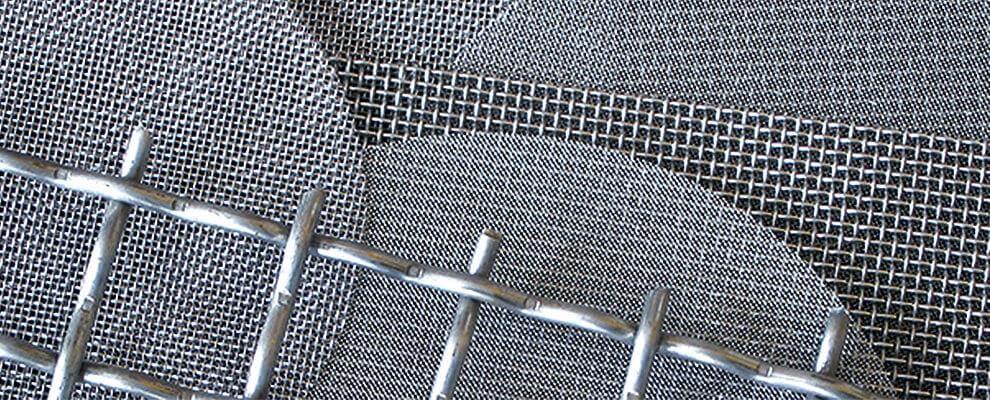
In filtration applications, "Burst Strength" is the most critical metric. It measures the maximum pressure differential the mesh can withstand before the wires physically rupture. This is tested by applying increasing hydraulic or pneumatic pressure to a clamped section of the mesh until failure occurs. Standardized tests, such as ISO 2941, are used to certify that filter elements made from stainless steel mesh can survive the "surge pressures" common in industrial piping systems. The burst strength is a function of the wire's tensile strength and the "weave stability." If the wires shift during the test, the mesh will fail prematurely. Therefore, high-pressure mesh often utilizes a "Dutch Weave" or a "Twill Weave" to lock the wires in place and maximize the pressure retention capacity.
Shear Resistance and Mechanical Cutting
For security and protective applications, "Shear Resistance" measures how well the mesh resists being cut by tools like bolt cutters, knives, or saws. This is a primary requirement for security window screens and prison partitions. Testing involves a standardized mechanical "knife shear test," where a heavy blade is dragged across the mesh under a specific load. High-strength stainless steel mesh, particularly when made with larger wire diameters and a tight weave, is incredibly difficult to penetrate. The material's high work-hardening rate means that as a blade tries to cut through the wire, the metal actually becomes harder and more resistant to the cutting action. This mechanical property makes stainless steel mesh one of the most effective barriers against forced entry in both residential and high-security settings.
Impact Testing: Ballistics and Debris
Impact testing determines how the mesh reacts to high-velocity objects. This is critical for aerospace guards (protecting against bird strikes or engine debris) and hurricane-rated window screens. The test usually involves firing a standardized projectile (like a steel ball or a 2x4 timber) at the mesh at a specific speed. The mesh's ability to "absorb" the energy of the impact through slight elastic deformation-without tearing-is what makes it successful. Unlike rigid glass or brittle plastics, the ductile nature of stainless steel allows it to flex and distribute the kinetic energy across its entire surface area. Certification in these tests ensures that the mesh can act as a reliable shield in the event of catastrophic equipment failure or extreme weather events.
ASTM and ISO Quality Standards
To ensure consistency and safety, all high-strength mesh must be manufactured according to international quality standards. ASTM E2016 is the standard specification for industrial woven wire cloth, covering everything from wire diameter tolerances to mesh count accuracy. ISO 9044 provides similar global benchmarks for industrial requirements. These standards ensure that when an engineer specifies a "high-strength" mesh, they are receiving a product with verified mechanical properties. Certification involves "Mill Test Reports" (MTRs) that document the chemical heat of the steel and its tensile test results. Without these certifications, there is no guarantee that the mesh will perform as expected under load, making them non-negotiable for projects in the military, nuclear, and aerospace sectors.
Testing protocols are essential for safety compliance. Explore the specific methods used to certify mesh in:
[Mechanical Testing Standards for Industrial Mesh]
Engineering Applications of High-Strength Mesh
Filtration Under Extreme Pressure
In industries such as oil and gas or polymer extrusion, filters are subjected to thousands of pounds of pressure per square inch. Stainless steel mesh is the only material capable of maintaining its micron-rated openings under such extreme stress. If the mesh were to "stretch" or "distort," the filtration accuracy would be lost, allowing contaminants to pass through. To combat this, multiple layers of mesh are often "sintered" together. Sintering uses heat and pressure to fuse the wires at their contact points without melting them, creating a porous metal plate that is incredibly strong and rigid. These sintered mesh elements can be cleaned and reused multiple times, providing a high-strength filtration solution that outperforms disposable synthetic filters in every mechanical metric.
Security Barriers and Intrusion Prevention
The high tensile strength and shear resistance of stainless steel mesh make it an ideal material for high-security barriers. Unlike traditional bars or solid walls, mesh provides visibility and airflow while remaining impenetrable to hand tools. In psychiatric wards, prisons, and government buildings, specialized security mesh is used for window guards and perimeter fencing. The mesh is often powder-coated black to reduce glare, but the underlying stainless steel provides the primary defense. Its ability to withstand repeated heavy impacts without deforming makes it a "passive" security measure that requires no power and almost no maintenance, yet provides a level of protection that is nearly impossible to breach without heavy industrial equipment.
Aerospace and Automotive Components
In the aerospace industry, the weight-to-strength ratio of stainless steel mesh is leveraged for a variety of critical components. It is used in fuel line filters, hydraulic system screens, and as lightning strike protection on aircraft skins. In automotive engineering, high-strength mesh is found in airbag filters, where it must withstand the explosive force of the gas inflator while cooling the gas and filtering out particulates-all in a fraction of a second. These applications demand the highest possible material quality, as a single wire failure could lead to a catastrophic system breakdown. The reliability of stainless steel in these high-vibration and high-temperature environments is why it remains the industry standard for safety-critical filtration and shielding.
Load-Bearing Structural Facades
Architects are increasingly using heavy-duty stainless steel mesh for structural facades and "fall protection" systems in parking garages and stadiums. In these applications, the mesh acts as a load-bearing element that must resist wind loads, snow loads, and the potential impact of a vehicle or a person. The mesh is often "pre-tensioned" during installation to create a flat, rigid surface. The engineering behind these installations is complex, requiring calculations for "point loads" at the mounting brackets and the overall tensile capacity of the mesh panels. Because stainless steel is aesthetically pleasing and requires no painting, it serves as both a functional safety barrier and a decorative architectural feature that can last for the entire lifespan of the building.
From prison windows to jet engines, the application of mesh varies wildly. Learn more in:
[High-Impact Applications of Heavy-Duty Metal Mesh]
Comparative Performance Analysis
Stainless Steel vs. Galvanized Steel
When comparing stainless steel mesh to galvanized steel, the primary difference lies in how they maintain strength over time. Galvanized steel relies on a surface coating of zinc for protection; once that coating is scratched or eroded, the underlying carbon steel corrodes rapidly, leading to a total loss of structural integrity. Stainless steel, however, is "strong" throughout its entire cross-section. Even if the surface is abraded, the material continues to resist corrosion and maintain its tensile capacity. While galvanized mesh may have a similar initial breaking strength, its "effective" strength in outdoor or industrial settings drops significantly faster than stainless steel.
Metal Mesh vs. Synthetic Fiber Performance
In many filtration and screening applications, synthetic fibers like nylon or polyester are considered. While these materials are lightweight and inexpensive, they cannot match the mechanical strength of stainless steel. Metal mesh offers superior dimensional stability; it does not stretch or "creep" under constant load as polymers do. Furthermore, stainless steel can withstand high-pressure differentials that would cause synthetic mesh to burst or tear. In terms of "puncture resistance," stainless steel is vastly superior, making it the only viable choice for applications where sharp debris or high-velocity particles are present in the flow stream.

Weight-to-Strength Ratio Analysis
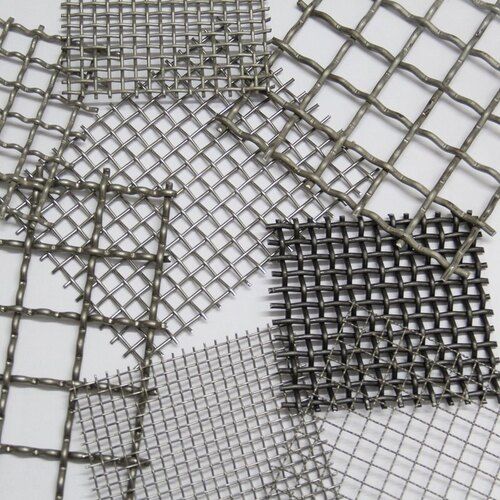
One of the most impressive features of stainless steel mesh is its high strength-to-weight ratio. Because of the incredible tensile strength of the individual wires, a very lightweight mesh can support a disproportionately large load. This is a critical factor in aerospace and automotive engineering, where reducing weight is essential for fuel efficiency but cannot come at the expense of safety. By using fine-wire, high-density mesh, engineers can create protective guards or filtration elements that are incredibly strong yet contribute minimal mass to the overall assembly. This efficiency is why stainless steel mesh is often preferred over solid plates in weight-sensitive designs.
Thermal Expansion and Structural Stability
Strength is also a function of how a material maintains its shape when temperatures change. Stainless steel has a predictable coefficient of thermal expansion. In high-heat environments, the mesh must be designed to expand without buckling or losing its tension. A well-constructed stainless steel mesh retains its "stiffness" across a wide temperature range, whereas other metals might become brittle or overly soft. This stability ensures that the mesh continues to provide security or filtration without the gaps or sagging that could occur if the material were to deform under thermal stress, reinforcing its reputation as a reliable structural component.
Maintenance and Lifecycle Strength
Cleaning Protocols and Surface Integrity
To maintain the maximum strength of stainless steel mesh, regular cleaning is essential-not just for aesthetics, but to prevent "under-deposit corrosion." When dust, salt, or chemicals accumulate on the wire surface, they can create a micro-environment where oxygen cannot reach the metal. This prevents the "passive layer" from reforming, leading to localized weakening of the wire. Cleaning with mild soap and water or specialized stainless steel cleaners removes these contaminants. For filtration mesh, "backwashing" or ultrasonic cleaning is used to remove trapped particles that could cause a pressure buildup and eventually lead to mesh fatigue or rupture. Proper maintenance ensures the mesh maintains its original design strength for decades.
Identifying Signs of Fatigue
Even the strongest mesh can eventually suffer from mechanical fatigue if subjected to constant vibration or fluctuating pressures. Signs of fatigue include "wire necking" (where a wire becomes thinner at a specific point) or small cracks near the edges of the frame. In woven mesh, "wire shifting" or a loss of tension can also indicate that the material has reached its yield point. Regular inspections using magnification tools can identify these issues before they lead to a complete failure. In high-stakes applications like aerospace or chemical processing, "non-destructive testing" (NDT) such as dye penetrant or ultrasonic inspection may be used to verify the internal integrity of the wires and welds.
The Role of Passivation in Strength Retention
Passivation is a post-fabrication chemical treatment that is critical for retaining the strength of stainless steel mesh. During the weaving or welding process, small particles of "free iron" from the tooling can become embedded in the mesh surface. If not removed, these particles will rust, creating "pitting" that acts as a stress concentrator. Passivation involves dipping the mesh in a mild nitric or citric acid bath to remove these impurities and enhance the protective chromium-oxide layer. This process does not "add" strength, but it prevents the "loss" of strength by ensuring the material remains impervious to environmental attack. For any mesh used in marine or medical environments, passivation is a mandatory step in the manufacturing standard.
Long-term ROI of High-Strength Materials
While stainless steel mesh has a higher upfront cost than galvanized steel or synthetic alternatives, its long-term Return on Investment (ROI) is far superior. The "strength" of the material translates directly into "value" by reducing the frequency of replacements, minimizing downtime for maintenance, and providing a higher level of safety. When you factor in the labor costs of replacing a failed mesh panel, the durability of stainless steel makes it the most economical choice over a 10 or 20-year period. For industrial facilities, this means fewer emergency repairs; for architects, it means a building that looks as good in 30 years as it did on day one. Investing in high-quality, high-strength mesh is an investment in operational stability.
Material Strength Comparison (Standard Specs)
| Material Grade | Tensile Strength (PSI) | Corrosion Resistance | Max Temp (°C) | Yield Strength (PSI) |
| SS 304 | 85,000 | High | 870 | 35,000 |
| SS 316 | 80,000 | Excellent | 925 | 30,000 |
| Carbon Steel | 60,000 | Low | 400 | 36,000 |
| Aluminum | 40,000 | Medium | 200 | 35,000 |
Application-Specific Strength Recommendations
| Application | Recommended Grade | Wire Gauge (in) | Key Metric | Expected Life |
| Oil Filtration | 316L | 0.002 - 0.005 | Burst Pressure | 5 - 10 Years |
| Security Screens | 304 / 316 | 0.035 - 0.047 | Shear Resistance | 20+ Years |
| Conveyor Belts | 314 / 310 | 0.050 - 0.080 | Creep Strength | 3 - 7 Years |
| Facade Panels | 304 | 0.063 - 0.120 | Wind Load | 30+ Years |
Conclusion
In conclusion, the strength of stainless steel mesh is an multifaceted engineering attribute that extends far beyond simple physical resistance. It is the result of a precise technological synergy between metallurgical selection, weave geometry, and specialized manufacturing processes. As we have explored, the inherent durability of 300-series alloys, combined with the structural stability of the woven or welded lattice, allows this material to perform under conditions that would compromise almost any other screening solution. Whether the primary challenge is high-pressure filtration, high-velocity impact protection, or long-term exposure to corrosive marine environments, stainless steel mesh provides a reliable and predictable mechanical barrier that ensures both operational efficiency and human safety.
Ultimately, the true value of high-strength stainless steel mesh lies in its long-term return on investment and its adaptability across critical industries. While the initial specification requires a deep understanding of technical metrics-such as burst strength, yield points, and shear resistance-the result is a low-maintenance, high-performance component that stands the test of time. By adhering to international testing standards and selecting the appropriate grade for specific environmental stressors, engineers can deploy stainless steel mesh with confidence. From the depths of oil exploration to the heights of aerospace innovation, this material remains a fundamental pillar of structural integrity, proving that when strength and precision are paramount, stainless steel mesh is the definitive choice.