





Filtration bags are essential components in industrial liquid filtration systems, widely used in chemical processing, food and beverage production, oil and gas, water treatment, pharmaceuticals, and paint manufacturing. Although bag design, pore size, and operating conditions play important roles, the material of the filter bag is the single most influential factor affecting overall performance. The fibers used to manufacture the bag determine filtration efficiency, chemical resistance, thermal stability, dirt-holding capacity, durability, and suitability for specific applications.
This article provides an in-depth technical examination of the four most commonly used filter bag materials-Polyester (PE), Polypropylene (PP), Nylon (PA), and Polytetrafluoroethylene (PTFE). You will learn how each material behaves under industrial conditions, how they perform in various chemical environments, and how to select the ideal medium for your application.

Overview of Common Filter Bag Materials
Filter bags are produced using various synthetic fibers, each engineered for specific chemical, thermal, and mechanical environments. While PE, PP, PA, and PTFE are the most widely used, each material offers unique characteristics that influence filtration results.
Polyester (PE): The Industry Workhorse
Polyester filter bags are designed for broad versatility and durability. They offer excellent abrasion resistance and good chemical stability in neutral and acidic conditions.
Key characteristics include:
● Good performance in applications between 120–150°C
● Excellent mechanical strength and resistance to abrasion
● Limited compatibility with strong alkalis
● Stable pore structure for consistent filtration
PE is the top choice for applications such as paint, coatings, resins, adhesives, and general industrial liquids where chemical exposure is moderate.
Polypropylene (PP): Best for Chemical Resistance
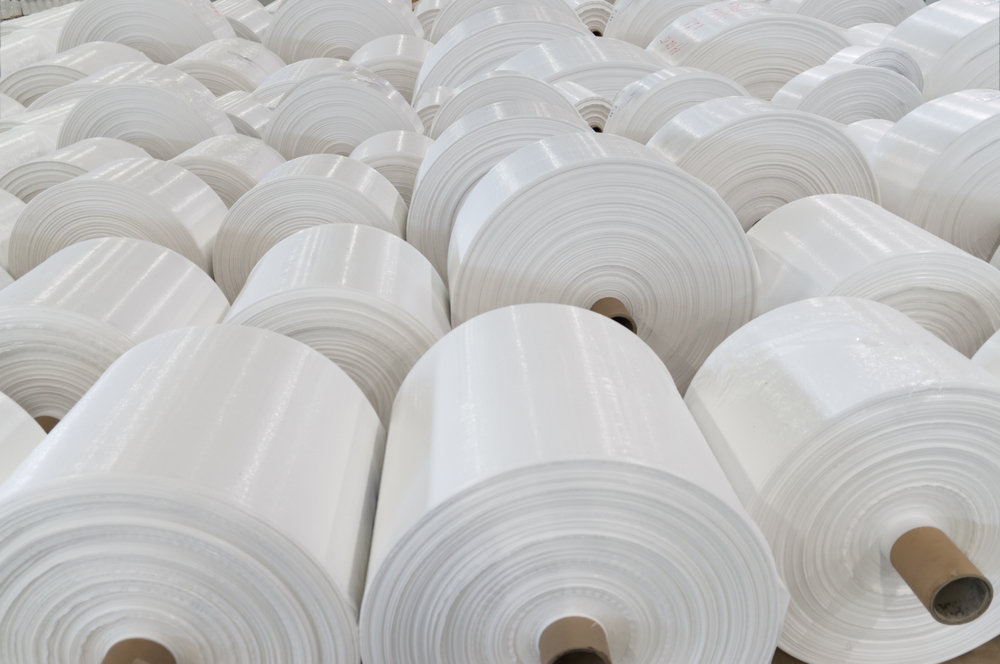
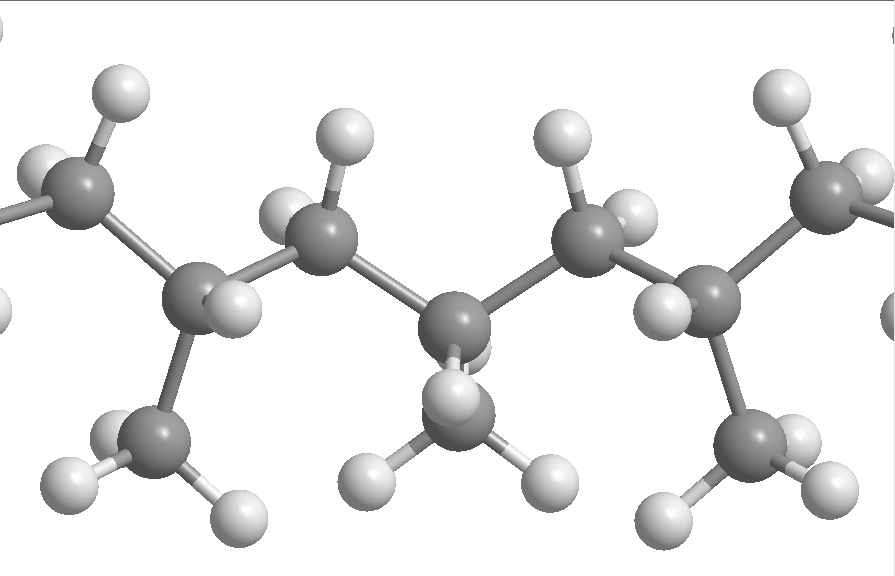
PP is a highly chemically resistant fiber with a lower melting point than polyester but far superior resistance to strong acids and alkalis.
Typical advantages include:
● Broad chemical compatibility (pH 1–14)
● Naturally hydrophobic, preventing moisture absorption
● Lightweight fiber structure with high dirt-holding capacity
● Preferred material for corrosive chemical filtration
PP is frequently used in chemical processing, plating, wastewater treatment, and saltwater applications.
Nylon (PA): Superior Strength and Flexibility
Nylon filter bags offer exceptional tensile strength and elasticity, enabling high-pressure and high-flow applications.
Performance characteristics:
● Temperature resistance up to 140°C
● High elasticity and tear resistance
● Swelling or weakening in acidic environments
● Very good for high-viscosity filtration due to mechanical durability
Nylon is widely used in oil filtration, hydraulic systems, and food processing (dry applications), although chemical compatibility must be verified.
PTFE: The Premium, High-Performance Material
PTFE is the most chemically inert and thermally stable filtration material available.
Standout properties:
● Operating temperature 240–260°C
● Total resistance to nearly all chemicals
● Ultra-smooth surface for minimal cake adhesion
● Exceptionally long service life
PTFE is used where other materials fail - strong solvents, aggressive acids, extreme temperatures, and high-purity applications.
Chemical Compatibility and Resistance Profiles
Chemical resistance determines whether a filter bag can maintain mechanical integrity and filtration efficiency in demanding conditions.
Chemical Resistance Summary Table
| Material | Acid Resistance | Alkali Resistance | Solvent Resistance | Oxidizer Resistance |
|---|---|---|---|---|
| Polyester (PE) | Good | Poor | Moderate | Moderate |
| Polypropylene (PP) | Excellent | Excellent | Good | Moderate |
| Nylon (PA) | Poor in Acid | Good | Good | Low |
| PTFE | Excellent | Excellent | Excellent | Excellent |
How Materials React in Acidic Solutions
● PE handles mild acids well but degrades in strong mineral acids.
● PP performs exceptionally even in strong acids (HCl, H₂SO₄).
● Nylon absorbs moisture and weakens in acidic environments.
● PTFE is fully acid-resistant, even to high-concentration acids at high temperatures.
Behavior in Alkaline Environments
● PE has low alkalinity resistance - strong alkalis weaken fiber bonds.
● PP is the best performer (pH 1–14).
● Nylon maintains moderate resistance but may swell.
● PTFE has total stability against all alkaline solutions.
Solvents, Oils, and Hydrocarbons
● Nylon performs well in oils and hydrocarbons.
● PE and PP perform moderately depending on solvent type.
● PTFE is completely solvent-proof.
Temperature Resistance and Thermal Stability
Maximum Operating Temperatures
● PE: up to 150°C
● PP: up to 100°C
● Nylon: up to 140°C
● PTFE: up to 260°C
Thermal Aging and Degradation
Exposure to high heat may cause:
● PE: fiber embrittlement
● PP: softening or melting
● Nylon: flexibility loss
● PTFE: nearly zero degradation
● PTFE provides the longest lifespan in high-temperature filtration.
Performance During Heating and Cooling Cycles
Repeated thermal cycling affects polymer stability:
● PE and PP may shrink or distort
● Nylon may absorb moisture when cooled
● PTFE remains dimensionally stable, making it ideal for precision filtration
Mechanical Performance and Structural Strength
Fiber Strength and Tensile Resistance
● Nylon → highest tensile strength
● PE → good mechanical durability
● PP → slightly softer fiber
● PTFE → stable but not as strong as Nylon
Abrasion Resistance
● Abrasion reduces filtration consistency over time:
● PE has excellent abrasion resistance
● Nylon is also strong under mechanical stress
● PP is more prone to wear
● PTFE resists adhesion, lowering abrasion impact
Durability Under High-Flow or High-Pressure Conditions
Nylon and PE perform best in high-pressure filtration. PTFE delivers stability but may require reinforced structures.
Filtration Efficiency and Pore Structure Analysis
Fiber Surface Characteristics
● PTFE is extremely smooth → minimal clogging
● PP is naturally hydrophobic → stable pore size
● PE maintains uniform fiber bonding
● Nylon absorbs moisture → pore expansion risk
Depth Filtration vs. Surface Filtration Performance
● PE & PP: ideal for depth filtration (high dirt-holding capacity)
● Nylon & PTFE: better for surface filtration and fine particle retention
Stability of Pore Size Under Load
Load, flow, and pressure change the pore geometry:
● PP → most stable pore structure
● Nylon → may deform
PTFE → highly stable
PE → moderate stability
Application Suitability by Industry
Industry Selection Table
| Industry | Recommended Material | Reason |
|---|---|---|
| Chemical Processing | PP / PTFE | Highest chemical resistance |
| Water Treatment | PP / PE | Cost-effective and stable |
| Paint & Coatings | PE | Abrasion resistance |
| Food & Beverage | Nylon / PP | Cleanability and compliance |
| Pharmaceutical | PTFE | Purity and stability |
| Petrochemical | Nylon / PTFE | Hydrocarbon resistance |
High-Chemical Environments
PP and PTFE dominate due to their complete chemical resistance.
High-Purity Applications
PTFE is mandatory where contamination must be minimized.
Cost-Sensitive Industrial Settings
PE and PP are preferred because they provide strong performance at lower cost.
How to Select the Right Material for Your Filtration System
Analyze Chemical Environment
Match pH, solvent exposure, temperature, and oxidizers.
Determine Required Filtration Fineness
Consider flow rate, viscosity, and required particle retention.
Evaluate Operating Temperature & Pressure
Select materials that maintain structural integrity under load.
Summary and Comparison Chart
| Material | Best For | Key Advantages | Limitations |
|---|---|---|---|
| PE | General industrial liquids | Strength, abrasion resistance | Poor alkaline resistance |
| PP | Chemical processes | Chemical resistance, hydrophobic | Lower temperature limit |
| Nylon | Oils & mechanical filtration | Strength, elasticity | Poor acid resistance |
| PTFE | Extreme environments | Total chemical & thermal stability | Highest cost |
Conclusion
Filter bags play a critical role in ensuring stable, reliable, and high-precision filtration across a wide range of industrial applications. While flow rate, system pressure, particle load, and operating environment all influence filtration results, the material of the filter bag remains the single most decisive factor. Polyester, polypropylene, nylon, and PTFE each offer unique performance characteristics that determine their suitability for specific chemical conditions, temperature ranges, and mechanical demands. Understanding these differences is essential for achieving consistent filtration efficiency, maximizing dirt-holding capacity, and extending the operational lifespan of your filtration system. When the right material is matched to the correct application, filter bags not only deliver superior particle retention but also reduce maintenance requirements, decrease downtime, and ensure compliance with industrial quality standards.
As industries move toward more demanding filtration environments-higher purity requirements, more aggressive chemicals, and greater regulatory expectations-the importance of selecting the correct filter bag material continues to grow. Companies that prioritize proper material selection gain significant operational benefits: improved process stability, longer service cycles, reduced chemical waste, and lower overall filtration costs. Whether your focus is chemical processing, water treatment, pharmaceuticals, or food production, choosing the right combination of material, micron rating, and bag construction will determine the long-term performance of your filtration system. By evaluating chemical resistance, thermal behavior, mechanical strength, and filtration precision, engineers and procurement teams can build filtration solutions that are not only efficient but also robust, safe, and economically sustainable.