







When it comes to stainless steel wire mesh, both 316 and 316L grades are among the most popular choices for filtration, screening, and protection applications. They look identical to the untrained eye, but the small difference in carbon content has a significant effect on their corrosion resistance, weldability, and durability.
Stainless steel wire mesh is an essential material widely used across industries such as filtration systems, chemical processing, construction, marine engineering, and food and pharmaceutical processing. Choosing the right stainless steel grade ensures durability, corrosion resistance, and mechanical performance.
Among the most common austenitic stainless steels are 316 and 316L. Both grades contain chromium, nickel, and molybdenum, offering excellent corrosion resistance and mechanical strength. Despite their similarities, differences in chemical composition, microstructure, corrosion resistance, and mechanical properties influence suitability for different applications.
In this article, we'll break down the chemical, mechanical, and practical differences between 316 and 316L stainless wire mesh - so you can choose the right material for your specific application.
Overview: What Makes 316 and 316L Stainless Steel Unique
H2. Chemical Composition Comparison
H3. Key Alloy Elements and Their Functional Roles
316 and 316L stainless steel are molybdenum-bearing austenitic alloys. The main elements are chromium, nickel, and molybdenum, while carbon content differentiates the two grades. Minor elements like manganese, silicon, and nitrogen also influence performance.
● Chromium (16–18%): Forms a passive oxide layer preventing rust and pitting, essential for marine or chemical environments.
● Nickel (10–14%): Stabilizes austenitic phase, enhancing ductility and toughness.
● Molybdenum (2–3%): Improves resistance to pitting and crevice corrosion, especially in chloride-rich environments like seawater or hydraulic fluids.
Case Example: In hydraulic oil filters, 316L mesh is often used as a support layer because its low carbon content prevents corrosion around welds, extending filter lifespan.
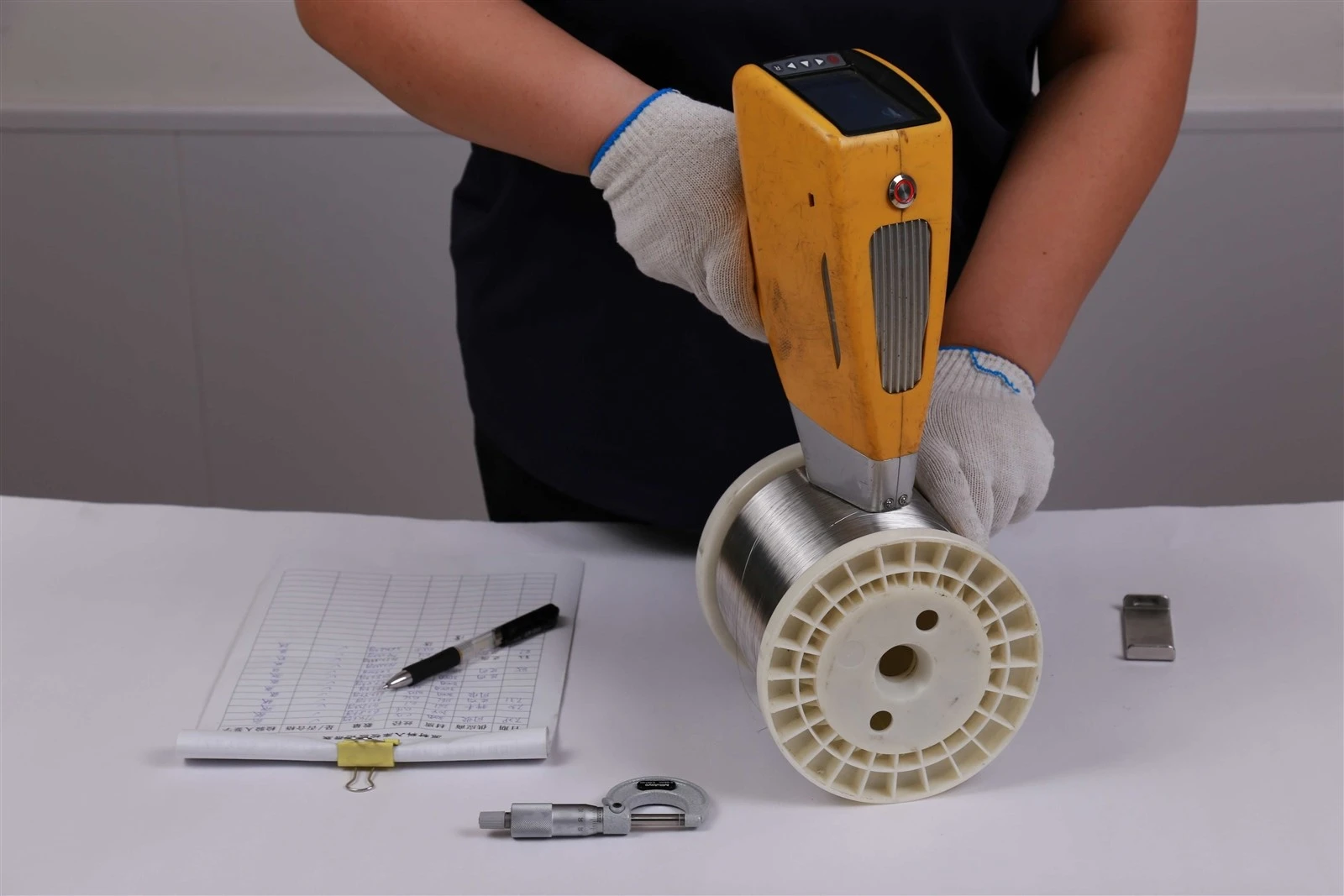
● Carbon (C): 316 ≤0.08%, 316L ≤0.03%. Lower carbon reduces carbide precipitation during welding, improving intergranular corrosion resistance.
● Manganese and Silicon: Enhance hardness and oxidation resistance.
For a deeper dive into the chemical composition and microstructure, see Chemical Composition and Microstructure of 316 vs 316L Wire Mesh
H3. Microstructure and Welding Performance
316L's lower carbon content reduces carbide formation along grain boundaries during welding. This affects applications like:
● Welded Filter Supports: 316L maintains corrosion resistance after welding; 316 may need post-weld annealing.
● Gabion Mesh for Coastal Projects: Welded 316L mesh resists intergranular corrosion from saltwater exposure.
● Food and Pharmaceutical Filters: Clean welds prevent contamination and maintain structural integrity.
● Case Study: A marine water intake filter made with 316 mesh without proper post-weld treatment developed early pitting at weld joints. 316L mesh performed flawlessly under identical conditions.
H3. Minor Elements and Industrial Impacts
Even trace amounts of Mn, Si, and N affect performance:
● Manganese (≤2%): Enhances hardness, crucial for high-flow filtration meshes.
● Silicon (≤1%): Improves oxidation resistance during high-temperature processes.
● Nitrogen (trace): Strengthens the austenitic structure, improving fatigue resistance.
H2. Mechanical and Corrosion Properties
H3. Strength and Ductility
Both 316 and 316L stainless steel exhibit excellent mechanical properties, but subtle variations in carbon content lead to meaningful performance differences.
For detailed data and real-world evaluation, please refer to our in-depth article: Mechanical Properties and Structural Performance of 316 vs 316L Wire Mesh
|
Property
|
316 | 316L | Practical Implication |
| Tensile Strength (MPa) | 515 | 485 | 316 supports heavier loads; 316L allows safer bending |
| Yield Strength (MPa) | 205 | 170 | 316 resists higher stress before deformation |
| Elongation (%) | 40 | 45 | 316L better for forming tight filter geometries |
| Hardness (HRB) | ≤ 95 | ≤ 90 |
Softer 316L improves fatigue resistance |
Example: Fine filtration discs for fuel or hydraulic systems are often made from 316L mesh due to ductility, preventing cracking and ensuring consistent flow rates.
H3. Corrosion Performance in Diverse Environments
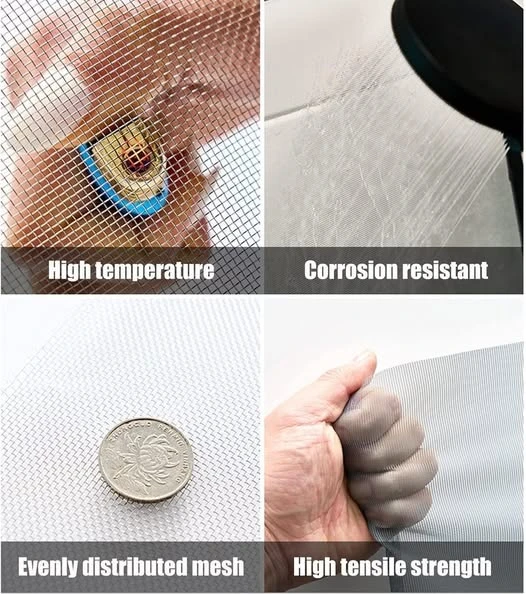
Among all the properties that distinguish stainless steel wire mesh materials, corrosion resistance remains the most critical. The ability to withstand harsh environments - from salty ocean air to aggressive acids - determines the longevity and reliability of the mesh in industrial, marine, and architectural applications. Between Type 316 and 316L, both exhibit excellent resistance to corrosion, but their performance varies subtly due to differences in carbon content and microstructural stability.
1. Chloride Environments and Pitting Resistance
Chlorides, especially sodium chloride found in seawater, are among the most aggressive corrosive agents. They can break down the passive chromium oxide layer that protects stainless steel.
● 316 stainless steel already performs well in moderate chloride environments such as urban or mildly coastal areas. It is widely used in pool filters, building facades, and equipment housings that experience occasional salt exposure.
● 316L stainless steel, however, demonstrates superior resistance in direct or constant chloride exposure, such as offshore platforms, desalination plants, and coastal defense mesh.
Laboratory studies have shown that the pitting potential (the voltage at which corrosion starts) for 316L is typically 50–100 mV higher than for 316, meaning it can withstand more aggressive conditions before surface damage occurs.
Case Example:
In a seawater intake filtration system in Oman, engineers compared 316 and 316L mesh panels over a 24-month cycle. The 316 mesh exhibited minor pitting at weld seams and near cut edges, while the 316L panels remained smooth and corrosion-free, reducing maintenance costs by nearly 40%.
2. Chemical and Industrial Environments
In chemical processing or industrial filtration, the type of chemical exposure determines which grade performs best.
● 316 mesh performs excellently in neutral and alkaline conditions, such as in oil refining, steam filtration, and industrial air filters. It resists oxidation and mild acid exposure and offers higher tensile strength, which is important for maintaining mechanical integrity under flow pressure.
● 316L mesh is the go-to choice for systems handling acidic or chloride-rich substances, including sulfuric acid, phosphoric acid, and hydrochloric acid vapors. Because its low carbon content prevents carbide precipitation, it retains full corrosion resistance even after welding or high-temperature processing.
Practical Comparison:
A chemical plant using 316 mesh for welded filtration frames noticed localized rusting along weld joints after 18 months of exposure to acidic condensate. When the same units were rebuilt using 316L mesh, the filters remained fully intact after five years of continuous operation.
3. High-Humidity and Condensation-Prone Environments
In high-humidity or condensation-prone environments, both grades perform well, but 316L again holds an edge when moisture is trapped around weld seams or fasteners.
● 316 is ideal for environments like HVAC filters, industrial duct mesh, or outdoor architectural panels, where moisture is temporary and not continuously present.
● 316L is better suited for marine ports, cooling towers, and chemical plants, where humidity, salt, and temperature fluctuations accelerate crevice corrosion.
In such applications, epoxy-coated 316L mesh provides an additional barrier, ensuring both the stainless steel and coating remain intact even after long-term exposure to moisture and salt.
4. Stress Corrosion Cracking (SCC) Resistance
Both 316 and 316L exhibit strong resistance to stress corrosion cracking, a type of failure that occurs under tensile stress in corrosive environments. However, 316L's lower carbon and slightly higher nickel and molybdenum retention enhance its performance under long-term cyclic loading, especially when welded.
In hydraulic or fuel filtration systems where the mesh endures continuous vibration, 316L's lower residual stress after welding prevents microcrack formation that can compromise filter integrity over time.
5. Summary: Corrosion Resistance by Environment
| Environment Type | 316 Stainless Mesh | 316L Stainless Mesh |
|---|---|---|
| Urban / Mildly Corrosive | Excellent | Excellent |
| Marine / Coastal | Good | Superior |
| Acidic Chemical | Moderate | Excellent |
| High Humidity | Very Good | Outstanding |
| Welded Structures | Good (requires treatment) | Excellent (no post-treatment) |
| High Chloride / Salt Exposure | Fair | Superior |
In short, 316 stainless mesh is a cost-effective and durable solution for general industrial and architectural uses, while 316L is the better choice when corrosion exposure, welding, or chemical contact are primary concerns.
H3. Temperature and Oxidation Resistance
Temperature tolerance and oxidation resistance are crucial for stainless wire mesh used in heat exchangers, burner screens, kiln linings, or epoxy-coated filter support layers.
Both 316 and 316L stainless steels can operate continuously up to 870°C (1600°F) without significant scaling or loss of mechanical integrity. However, the difference appears when the mesh undergoes thermal cycling - repeated heating and cooling.
1. High-Temperature Behavior
● 316 mesh maintains slightly higher strength at elevated temperatures due to its higher carbon content, which contributes to a stronger grain structure. It is therefore ideal for structural applications, thermal shields, and industrial ovens.
● 316L mesh, by contrast, offers greater stability during temperature fluctuations. Its low carbon content prevents carbide precipitation even after extended heating, maintaining surface integrity and corrosion resistance.
Case Example:
In a chemical reactor system operating at 800°C, 316 mesh panels exhibited light oxidation discoloration after 6 months, while 316L panels maintained a cleaner surface with minimal oxide scale, extending service life and reducing cleaning frequency.
2. Oxidation Resistance and Coating Compatibility
Both grades form a protective chromium oxide film that prevents surface scaling. However, 316L is slightly better for epoxy or polymer-coated applications, since it minimizes interfacial reactions during the curing process at 200–300°C.
In epoxy-coated filter mesh manufacturing, this means the coating bonds evenly and remains stable without microscopic cracking or delamination, a problem that can occur when using standard 316 mesh.
3. Cryogenic and Low-Temperature Performance
Interestingly, both 316 and 316L perform exceptionally well at cryogenic temperatures, maintaining high toughness and ductility.
However, 316L's improved weldability gives it an advantage in low-temperature storage systems, liquid nitrogen filters, or cryogenic chemical lines, where welded joints must remain leak-free even under thermal contraction.
4. Thermal Fatigue and Long-Term Stability
For applications involving repeated heating and cooling, such as furnace filters, exhaust systems, or automotive heat shields, 316L's reduced tendency to carbide precipitation translates to better long-term performance.
While 316 offers slightly higher strength, it may experience sensitization (loss of corrosion resistance) if not properly annealed after welding or exposure to 400–850°C for prolonged periods.
5. Summary: Temperature & Oxidation Comparison
| Property | 316 Mesh | 316L Mesh |
|---|---|---|
| Max Continuous Temp | 870°C | 870°C |
| Short-Term Peak Temp | 925°C | 925°C |
| Thermal Stability | Excellent | Superior |
| Carbide Precipitation | Moderate | Minimal |
| Welded Heat Resistance | Good | Excellent |
| Coating Compatibility | Good | Best |
In summary, 316 stainless steel wire mesh delivers slightly higher high-temperature strength, making it an excellent choice for structural or load-bearing filters.
Meanwhile, 316L stainless steel wire mesh provides better corrosion and oxidation resistance after heat exposure, ideal for welded assemblies, epoxy-coated meshes, and filtration systems operating under thermal cycling.
H2. Applications of 316 and 316L Wire Mesh
Both 316 and 316L stainless steel wire meshes are widely used across industries for their durability, strength, and corrosion resistance. However, the selection between them depends on the specific environmental and operational conditions. Understanding where and why each grade excels helps engineers, designers, and procurement specialists make the best material decision for long-term reliability.
H3. Industrial Filtration
Industrial filtration is one of the largest markets for stainless steel wire mesh. In this field, 316 and 316L are both favored for their high tensile strength and chemical stability.
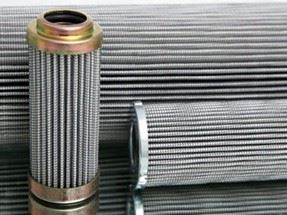


316 stainless steel wire mesh is ideal for:
● Oil and hydraulic filters, where mesh layers act as structural supports under high pressure.
● Fuel filtration systems, which require consistent mesh openings to maintain flow rate and prevent particle ingress.
● Compressed air filters, where moisture and oil droplets can cause standard materials to corrode or deform.
Because 316 offers slightly higher yield and tensile strength, it holds up well in multi-layer sintered filters or deep-pleated cartridges, where the mesh must maintain shape under continuous stress.
316L stainless steel wire mesh, on the other hand, is preferred when:
● The mesh needs welding or sintering during assembly (for example, in multi-layer composite filters).
● The system handles corrosive fluids, such as acids, alkalis, or seawater.
● The mesh is used in epoxy-coated filters or high-temperature hydraulic systems where surface oxidation could affect performance.
Case Example:
A European hydraulic filter manufacturer replaced traditional 316 mesh supports with 316L mesh for its high-end oil filters. The company reported a 35% reduction in maintenance frequency and longer service life of filter elements due to reduced weld corrosion and improved structural stability.
H3. Corrosion Performance in Diverse Environments
Among all the properties that distinguish stainless steel wire mesh, corrosion resistance remains the most defining factor. The ability to withstand marine salinity, chemical exposure, or high humidity determines service life and performance reliability. Both 316 and 316L demonstrate exceptional resistance to oxidation and pitting, but 316L performs better in environments where chloride ions or acidic vapors are present.
In real-world applications, 316 mesh may experience minor carbide precipitation at welded joints or edges after prolonged heat exposure, whereas 316L remains stable and resists localized corrosion more effectively. This is why 316L is often preferred for filter housings, hydraulic oil systems, and chemical process filters where both cleanliness and durability are essential.
For environment-specific test data, case studies, and maintenance insights, visit:
Corrosion Resistance of 316 and 316L Wire Mesh - it explains how both materials perform in marine, chemical, and high-temperature industrial environments.
H3. Construction, Architecture, and Marine Applications
In the construction and marine industries, wire mesh serves both functional and decorative purposes - from reinforcement layers and gabion structures to architectural facades and anti-intrusion screens.
316 stainless steel mesh is widely used for:
● Structural reinforcement, such as plaster mesh or concrete support layers.
● Architectural screening, where strength and rigidity take priority over extreme corrosion resistance.
● Industrial enclosures and machine guarding, where the mesh faces mild indoor or outdoor exposure.
Its strength and stiffness make 316 an economical choice for high-load environments or non-welded installations.
● 316L stainless steel mesh is the preferred material in coastal or offshore structures, thanks to its enhanced resistance to chloride-induced corrosion.
It is used for:
● Gabion walls and retaining structures in coastal protection projects.
● Architectural façades in seaside cities, where salt spray causes pitting on standard grades.
● Marine cages and boat screens, continuously exposed to seawater.
Case Example:
In a recent marina reconstruction project in Southeast Asia, architects initially specified 316 mesh for decorative panels. However, after one year, visible pitting appeared near weld joints. The panels were replaced with 316L mesh, which has since remained corrosion-free for over five years despite constant salt exposure.

H3. Food and Medical Filtration
The food processing and pharmaceutical industries impose strict hygiene and safety standards on materials that come into contact with products. Both 316 and 316L are FDA- and EU-compliant, but 316L is the benchmark for hygienic design.
316L stainless steel wire mesh is preferred because:
● Its low carbon content minimizes surface contamination and bacterial retention.
● It withstands clean-in-place (CIP) and steam-sterilization (SIP) processes without degrading.
● It maintains integrity even after acid or alkaline sanitization cycles.
Applications include:
● Coffee and milk filters, where cleanliness and flavor preservation are essential.
● Pharmaceutical sieves for separating powders and granules.
● Brewing filters and distillation screens, which operate under both high pressure and temperature.
316 stainless steel can still be used effectively for dry or low-corrosion environments - for example, grain sieves, sugar processing filters, or powder handling systems where chemical exposure is minimal.
H2. Cost and Availability
H3. Price Considerations
● 316L is slightly more expensive due to refined low-carbon processing.
● The cost is justified in applications requiring high corrosion resistance, welding, or hygiene compliance.
H3. Material Availability
● Both grades are available globally in mesh counts 10–500 and wire diameters 0.02–2.0mm.
● Quick sourcing is possible for industrial production.
H3. Cost vs Performance Balance
|
Property
|
316 | 316L | Notes |
| Strength | Higher | Slightly lower | 316 better for structural mesh |
| Corrosion Resistance | Excellent | Superior | 316L better for marine/chemical |
| Weldability | Good | Excellent | 316L avoids post-weld sensitization |
| Price | Lower | Slightly higher | Justifiable for long-term durability |
H2. Summary of Application Suitability
| Application Type | 316 Stainless Steel Mesh | 316L Stainless Steel Mesh |
|---|---|---|
| Hydraulic & Oil Filters | ✔ High Strength | ✔✔ Weldable, corrosion-free |
| Marine Projects | ✔ Good | ✔✔ Excellent |
| Food & Pharma | ✔ Adequate | ✔✔ Preferred |
| Structural Reinforcement | ✔✔ Strong | ✔ Moderate |
| Chemical Process | ✔ Good | ✔✔ Superior |
| High-Temperature Systems | ✔✔ Durable | ✔✔ Stable after heat treatment |
| Epoxy-Coated Filters | ✔ Support mesh | ✔✔ Support + weldable layer |
| Decorative Architecture | ✔✔ Cost-efficient | ✔ Long-lasting near coast |
H2. Conclusion: Choosing the Right Stainless Steel Wire Mesh for Your Application
When comparing 316 vs. 316L stainless steel wire mesh, both materials offer outstanding performance for filtration, construction, and marine applications. However, their subtle differences in carbon content, corrosion resistance, and weldability can significantly impact long-term performance and maintenance costs.
In short:
Type 316 stainless steel mesh provides excellent mechanical strength and is ideal for heavy-duty filtration, industrial reinforcements, and structural applications where high load capacity and cost efficiency are priorities.
Type 316L stainless steel mesh, with its low carbon content, offers superior resistance to corrosion and weld decay, making it the preferred choice for marine environments, chemical processing, and food or pharmaceutical filtration systems.
Understanding the difference between 316 and 316L stainless wire mesh isn't just a matter of composition - it's about engineering performance, reliability, and trust. With the right knowledge, you can confidently choose the material that keeps your systems running longer and safer.
From an industrial perspective, 316L wire mesh has become the go-to material for advanced filtration products, including epoxy-coated support layers in hydraulic and fuel filters-applications where performance under corrosive or high-temperature conditions is critical.
Additionally, choosing a reputable manufacturer that understands the subtle metallurgical differences between stainless grades can ensure consistent quality across batches-particularly important for industries requiring tight tolerances, uniform mesh opening, and surface coatings.
At CHG Metal Mesh, we are dedicated to producing high-quality stainless steel wire mesh with precise weave control, consistent coating performance, and stringent quality inspection. Whether you require fine filtration mesh, welded wire screens, or custom epoxy-coated panels, our team ensures that each product meets both international standards and your specific project requirements.