




When building safe and long-lasting animal enclosures, choosing the right type of wire mesh is crucial. Two of the most popular options on the market are PVC coated wire mesh and galvanized wire mesh. Both are known for their durability, but they differ significantly in terms of corrosion resistance, aesthetic appeal, cost efficiency, and maintenance requirements.
This article provides a comprehensive comparison between these two materials, helping buyers and manufacturers make an informed decision for various animal housing needs.
PVC-coated and galvanized wire meshes are not just material choices - they represent different lifecycle strategies for facility managers. Beyond immediate performance, decision makers must consider procurement logistics, supply-chain resilience, and compliance with local animal-housing regulations. For example, PVC-coated mesh often comes pre-finished in standard panel sizes which reduces on-site labor and speeds up installation; galvanized rolls may be cheaper per linear meter but often require additional edge-trimming, deburring, and protective measures in the field. Another important angle is failure-mode predictability: PVC coating delays the onset of visible degradation, giving operators time to plan maintenance windows in advance rather than reacting to sudden rust failures. Finally, insurance and liability are practical drivers - facilities that specify non-abrasive, coated fencing often meet higher welfare standards and can reduce claims related to animal injury. Taken together, these operational and administrative factors frequently tip the balance in favor of PVC-coated systems for professional animal housing applications.
Material Composition and Coating Technology
PVC coated wire mesh is made by applying a layer of polyvinyl chloride (PVC) over a base wire-typically galvanized or stainless steel. The PVC coating not only enhances appearance but also provides additional protection against rust, UV radiation, and mechanical wear.
On the other hand, galvanized wire mesh is coated with a layer of zinc through either hot-dip or electro-galvanization processes. Zinc acts as a barrier that prevents oxidation and corrosion, though over time, it may wear off under harsh outdoor conditions.
| Feature | PVC Coated Wire Mesh | Galvanized Wire Mesh |
|---|---|---|
| Coating Material | Polyvinyl Chloride | Zinc |
| Corrosion Resistance | Excellent (UV + Moisture Protection) | Moderate to High |
| Aesthetic Appearance | Colored (Green, Black, etc.) | Silver Metallic |
| Typical Lifespan | 10–15 years | 5–10 years |
PVC coatings are thicker and more flexible, allowing the mesh to resist cracking and bending even in cold temperatures-something that galvanized layers struggle with.
From a metallurgical standpoint, the quality of the underlying steel and the bonding between zinc and PVC determine long-term performance. High-quality meshes use low-carbon, cold-drawn steel wire that provides consistent tensile properties and excellent weldability. For PVC-coated options, the process typically involves pre-galvanizing (to protect against damage during coating), followed by an extrusion or fluidized-bed coating step that ensures even thickness and strong adhesion. Critical quality-control checks include coating thickness measurements, cross-hatch adhesion tests, and accelerated weathering (QUV) tests to verify UV stability. For galvanized mesh, the distinction between hot-dip and electro-galvanized is material: hot-dip creates an alloyed zinc-iron layer that bonds metallurgically to the steel and is more abrasion-resistant; electro-galvanizing provides a thinner, more precise coating that may be appropriate for indoor or sheltered uses. Specification advice: always request mill certificates and adhesion/peel test results for large purchases - they predict field durability far better than price alone.


Weather and Corrosion Resistance
When used in outdoor environments, PVC coated wire mesh performs exceptionally well. Its plastic layer prevents water, chemicals, and salt from reaching the steel core, making it suitable for coastal areas or farms with high humidity.
Galvanized wire mesh, although corrosion-resistant, can lose its zinc coating over time due to abrasion or prolonged exposure to acidic conditions. Once the zinc layer deteriorates, rust can begin to spread rapidly.
Therefore, for animal enclosures that are constantly exposed to rain, animal waste, and cleaning chemicals, PVC coating offers better long-term performance.
Practical performance under real-world conditions can differ substantially from lab data. In barns and kennels, for instance, ammonia, salts, and repeated wet–dry cycling accelerate metal corrosion; PVC coating effectively isolates the steel from these aggressive species. However, small punctures and mechanical abrasion are realities - so the backing galvanization is vital as a secondary defense. In coastal installations, the combination of chloride ions and wind-driven sand can abrade coatings; selecting thicker PVC formulations and ensuring panels are mounted away from direct abrasion zones extends life cycles. In addition, consider galvanic corrosion when attaching different metals (e.g., stainless steel hinges to galvanized posts): PV C coating reduces direct metal-to-metal contact and thus lowers galvanic risk. Field tip: during installation, avoid dragging coated mesh across rough surfaces; instead, lift and carry panels to prevent micro-abrasions that can lead to early failures.
Safety and Comfort for Animals
One of the primary concerns in animal enclosure design is preventing injuries. PVC coated wire mesh provides a smooth, soft surface, reducing the risk of cuts or abrasions to animals' paws, feathers, or skin.
The coating also reduces glare and noise when animals rub against or climb the mesh, creating a more comfortable environment. Galvanized mesh, in contrast, can have sharp edges or metal burrs that may injure small animals if not properly treated.
For this reason, PVC mesh is preferred for birds, rabbits, poultry, and zoo applications, where safety and comfort are top priorities.

Safety is also a human-centered concern: caretakers and veterinarians perform daily interactions around the fence line, and smooth coated surfaces reduce accidental cuts and contamination risks. From a clinical perspective, the PVC barrier reduces crevices where pathogens can colonize, simplifying sanitation protocols. Behavioral studies have shown that reduced noise and glare from coated fences lower stress indicators in sensitive species such as certain birds and small mammals - this translates into better feeding behavior and lower aggression incidents. Additionally, for transport or temporary kenneling, coated panels minimize handling injuries and reduce the likelihood of clinician glove tears during emergency interventions. For high-value or endangered animals, these welfare and handling considerations frequently justify a higher initial spend on coated mesh.
Aesthetic and Practical Considerations
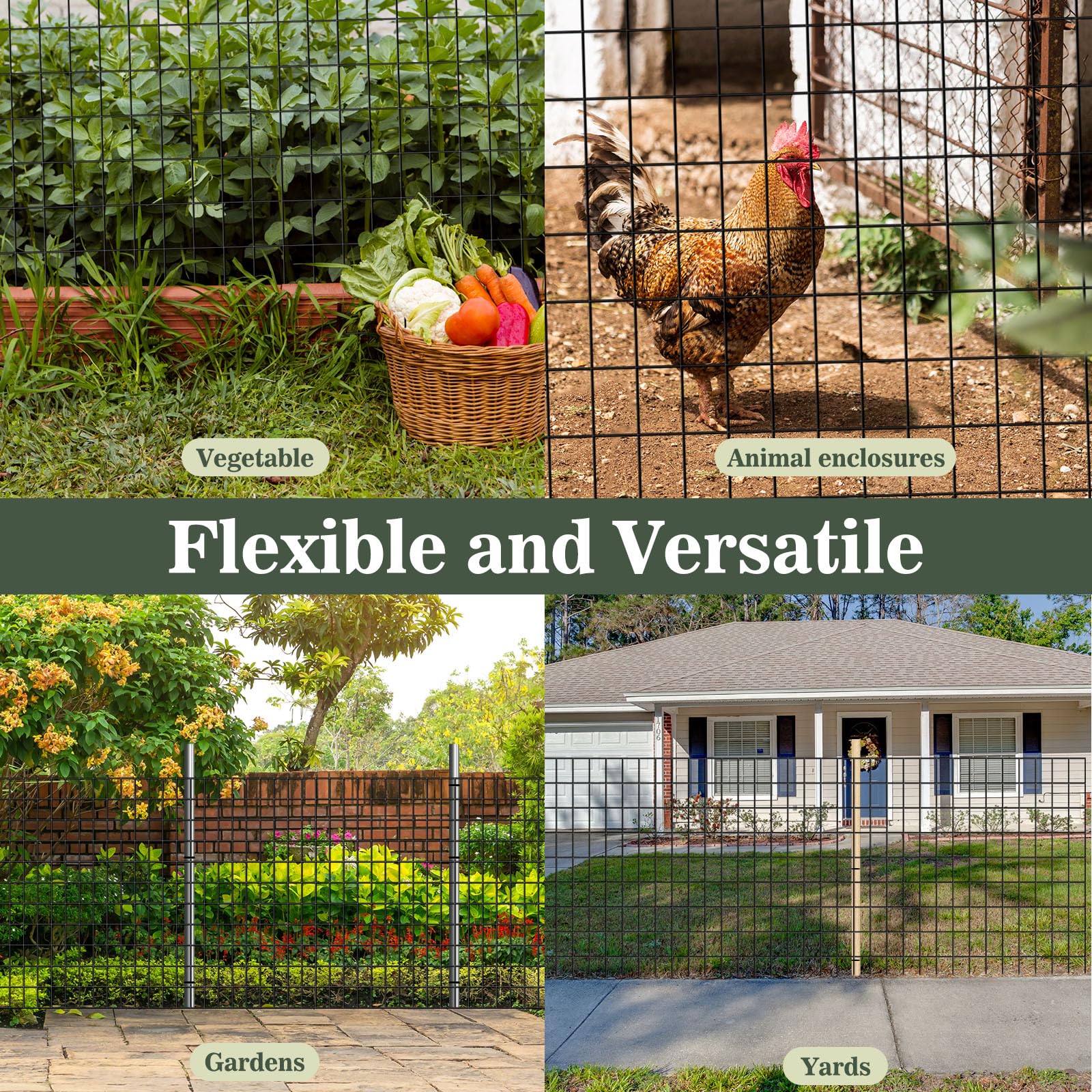
PVC coated wire mesh offers more versatility in appearance. The green and black finishes blend naturally with outdoor landscapes, making the enclosure visually pleasing. It is also less reflective, reducing eye strain for both animals and caretakers.
Galvanized wire mesh, while functional, maintains an industrial metallic look. It is ideal for heavy-duty uses like perimeter fencing or industrial cages, but it doesn't provide the same level of design flexibility.
Aesthetics and visual management also have operational value. In zoos and visitor-facing facilities, colored PVC meshes can be integrated into wayfinding schemes or exhibit theming, improving the visitor experience while preserving animal welfare. From a maintenance perspective, the colored finish reveals damage or biofilm growth sooner than plain metal, enabling targeted spot repairs. Practical installations often combine coated mesh with complementary elements - like tensioned rails, nylon zip fasteners, and rubber-coated clamps - to create modular systems that are easy to reconfigure. Another operational advantage: coated panels are less likely to stain clothes or equipment, reducing cross-contamination between animal zones and processing areas. These seemingly minor benefits add up in high-throughput facilities where cleanliness and appearance matter to both guests and regulators.
Cost, Maintenance, and Longevity
While the initial cost of PVC coated wire mesh may be slightly higher than galvanized mesh, its longer lifespan and low maintenance needs often make it more economical in the long run.
PVC mesh requires minimal upkeep-just occasional cleaning to remove dirt or algae-whereas galvanized mesh might need regular anti-rust treatment or replacement after several years.
| Aspect | PVC Coated Wire Mesh | Galvanized Wire Mesh |
|---|---|---|
| Initial Cost | Moderate | Low |
| Maintenance Frequency | Low | Medium–High |
| Long-Term Value | Excellent | Moderate |
Thus, when considering total life-cycle cost, PVC coated wire mesh is often the more cost-effective choice.
A detailed life-cycle cost analysis should include not only material and labor, but also downtime, sanitation labor, and risk of animal injury. For example, in a commercial poultry operation, unexpected fence failures that allow escape or predator access create outsized operational losses compared with the marginal cost difference between coated and plain meshes. When modeling costs, include scheduled maintenance tasks: cleaning frequency, potential repainting, and expected replacement cycles. Another economic consideration is salvage value - once panels are decommissioned, the steel core retains scrap value; PVC stripping and recycling processes are improving, creating secondary markets that further improve net lifecycle economics. Procurement tip: look for vendors offering warranty programs and documented field case studies; these reduce procurement risk more than short-term price savings.
Environmental and Sustainability Factors
PVC coatings today are made from non-toxic, lead-free compounds, meeting modern environmental standards. Moreover, both PVC and galvanized meshes are recyclable, but the longer service life of PVC-coated mesh means less frequent replacement, reducing overall material waste.
Additionally, the enhanced corrosion resistance reduces the need for chemical cleaning agents, making PVC-coated options a more eco-friendly choice in animal housing projects.
Sustainability is evolving from a marketing term to a procurement requirement in many institutional settings. PVC itself has environmental baggage historically, but current manufacturing best practices (use of lead-free stabilizers, closed-loop solvent recovery, and post-industrial PVC recycling) have substantially lowered the ecological footprint. Additionally, the durability gains from PVC coatings reduce replacement rates and embodied carbon over the product's life. Conducting a simple cradle-to-grave assessment for a proposed installation - including transportation, installation, maintenance chemicals, and end-of-life recycling - often shows that PVC-coated systems have comparable or lower lifecycle impacts than frequently replaced galvanized alternatives. Lastly, consider sourcing from manufacturers that provide environmental product declarations (EPDs) or third-party sustainability certifications to support facility-level ESG reporting.
Conclusion
Both PVC coated and galvanized wire meshes have their strengths, but PVC coated wire mesh stands out for animal enclosures due to its superior corrosion resistance, safety, and long-term durability.
While galvanized mesh remains a cost-effective option for temporary or large-scale industrial fencing, PVC coated mesh offers the perfect balance between protection, aesthetics, and comfort for animals.
For farms, zoos, aviaries, and residential pet enclosures, choosing PVC-coated wire mesh ensures a long-lasting, animal-friendly, and visually appealing solution.