







Choosing the correct replacement wire mesh or wire cloth is essential for ensuring stable, predictable, and long-term filtration performance. Different filtration systems-whether hydraulic oil, liquid chemical processing, water treatment, or gas filtration-require specific aperture sizes, weave designs, and material grades. A mismatch in mesh type, wire diameter, or alloy selection can lead to reduced flow, premature clogging, contamination, or even system failure. This guide helps engineers and maintenance teams make informed replacement choices that align with operational goals.
Understanding Your Filtration Requirements
Particle Size and Micron Retention Needs
The most critical factor in selecting replacement mesh is the target particle size. Hydraulic and fuel systems often demand 10–40 μm retention, requiring precision woven wire cloth. Water treatment and chemical processing may require broader ranges-from coarse 200 μm pre-filtration screens to ultra-fine 5 μm polishing stages. When replacing mesh, engineers should recheck original manufacturer specifications, including tolerance ranges, flow requirements, and maximum loading capacity. Deviating even slightly from the intended micron rating can result in irregular flow patterns, increased differential pressure, or undetected bypass, which may compromise product purity and equipment reliability.
Operating Pressure and Flow Rate Conditions
Filters operating under high differential pressure require wire mesh with higher mechanical strength, typically open square mesh with thicker wire diameter. Fine wire cloth used in precision stages tends to deform more easily, so it must be supported with reinforcing mesh layers. Replacement mesh must therefore be evaluated not just by micron rating but by its ability to maintain shape under load. High-pressure hydraulic systems, slurry lines, and abrasive environments particularly benefit from wire mesh with rigid construction and tighter mechanical tolerances.
Chemical Compatibility and Corrosion Resistance
Choosing the correct alloy ensures long-term resistance to corrosion, chemical attack, and thermal degradation. Stainless steel 304 is suitable for general-purpose filtration, but fluid systems containing acids, chlorides, or high-temperature liquids often require 316L or specialty alloys such as Hastelloy or Monel. When replacing mesh, matching the material to the working environment prevents pitting, erosion, or surface roughening-which can reduce micron accuracy over time. Failure to select a chemically compatible material may also significantly increase maintenance frequency.
Evaluating Mesh Construction and Weave Type
Square Mesh vs. Welded Mesh for Structural Support
Square woven mesh provides balanced strength and predictable aperture sizes, suitable for moderate flow filtration and reinforcement layers. Welded mesh, however, offers superior rigidity because its intersections are permanently bonded. When replacing support mesh in bag filters, pleated cartridges, or multi-layer sintered elements, welded mesh maintains housing shape and prevents collapse under high pressure. Engineers should compare tensile strength and opening stability before selecting a replacement option.
Plain Weave, Twill Weave, and Dutch Weave Precision
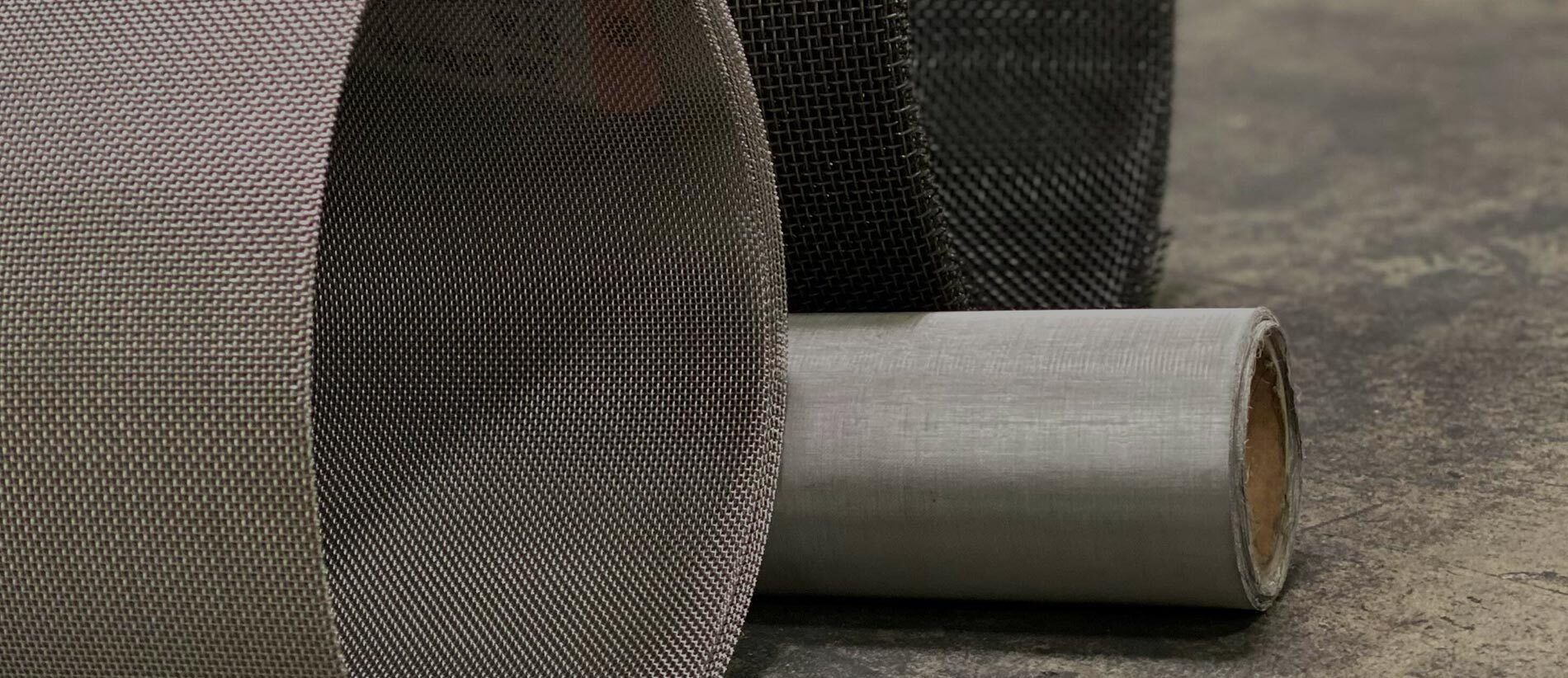
Replacement fine wire cloth must match the original weave design to preserve the system's flow rate and retention accuracy. Plain weave offers consistent, uniform apertures, ideal for mid-range filtration. Twill weave provides a denser structure and enhances strength without sacrificing fine particle capture. Dutch weave-especially reverse Dutch-delivers superior precision for high-viscosity liquids or ultra-fine filtration stages. Selecting the wrong weave can change system pressure characteristics and filtration efficiency.
Multi-Layer Filtration Structures
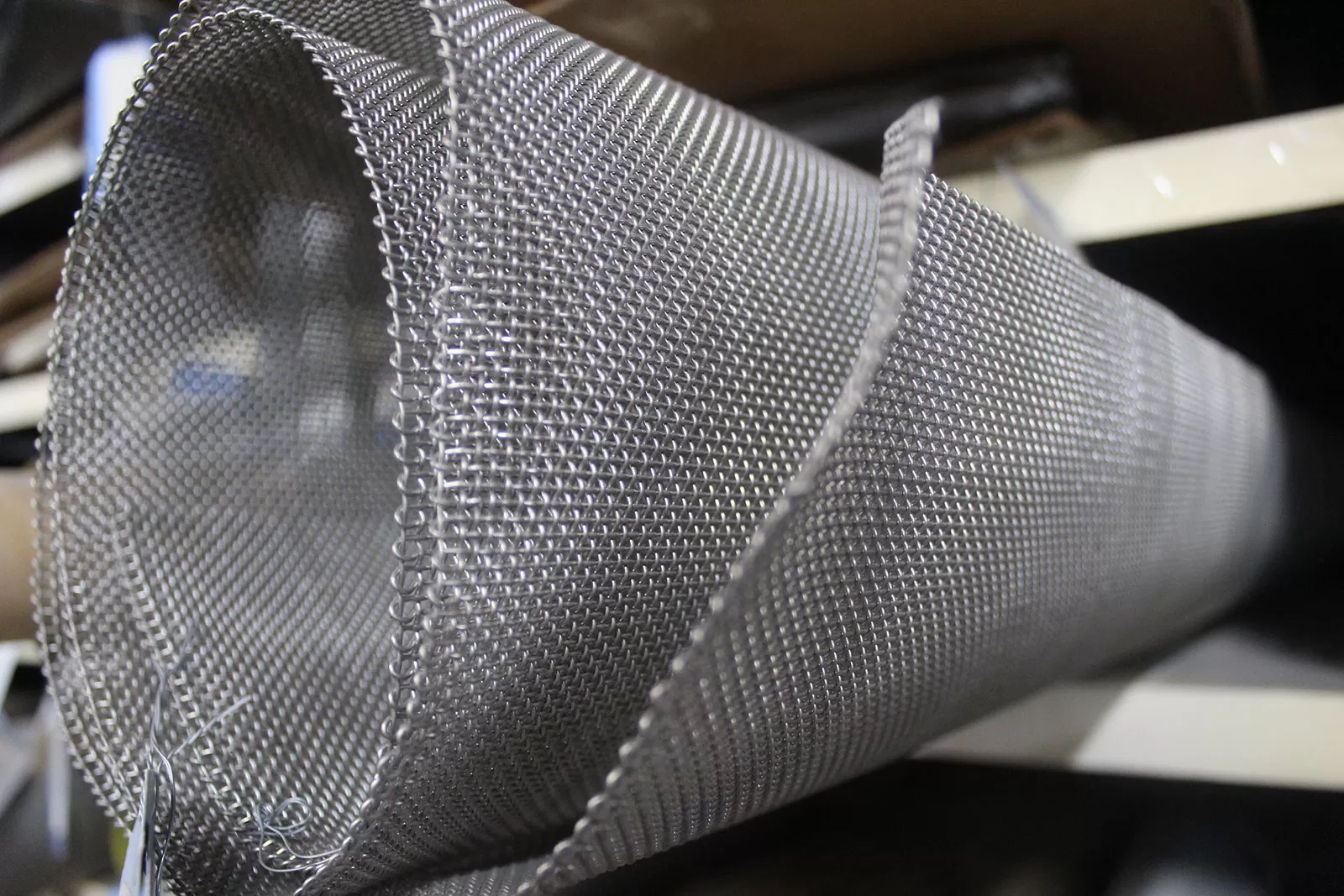
Many modern filters combine coarse mesh for support and fine cloth for precision retention. When replacing these components, engineers must maintain layer sequencing and material compatibility. For example, a typical hydraulic filter may use a reinforcing 100–200 μm mesh supporting a 10–25 μm cloth. Incorrect layer arrangement disrupts fluid dynamics, causes clogging, and accelerates filter fatigue. Replacement mesh should replicate the original layer density and positioning.
Material Selection and Long-Term Performance
Stainless Steel Grades and Their Applications
304 stainless steel is suitable for water, mild chemicals, and general filtration systems, while 316L offers better chloride resistance, essential for marine, chemical, and pharmaceutical environments. High-strength alloys like 321 or 310S may be required for elevated temperatures. When replacing mesh, matching the grade to the fluid chemistry prevents premature failure and maintains long-term flow stability.
Coated Mesh Options for Harsh Environments
Epoxy-coated mesh is frequently used in air filtration, HVAC units, and corrosive storage environments because it resists oxidation and fouling. PVC coatings enhance chemical resistance and reduce surface abrasion. Replacement decisions should consider whether the coating matches system temperature, chemical exposure, and cleaning processes. Using uncoated mesh in a system designed for coated mesh can lead to early corrosion or reduced service life.
Wear Resistance and Fatigue Strength
Filters handling abrasive slurries or powders benefit from thicker wire mesh or reinforced multi-layer designs. Replacement mesh must be evaluated for fatigue strength, as continuous vibrations or rapid pressure fluctuations may degrade thinner wires. Consistent material hardness and surface finish help extend the mesh's operational lifespan.
| Parameter | Recommended Wire Mesh | Recommended Wire Cloth | Notes |
|---|---|---|---|
| Micron Range | 100–2000 μm | 5–200 μm | Select according to required retention |
| Typical Use | Support, pre-filter | Fine filtration | Combine for multi-stage systems |
| Strength | High | Medium | Mesh for load-bearing applications |
| Cleaning Method | Brushing, washing | Backflush, ultrasonic | Match to maintenance process |
| Material Options | Carbon steel, SS304 | SS304/316L, alloys | Depends on chemical exposure |
Installation, Maintenance, and Inspection
Ensuring Proper Fit and Sealing
Replacement mesh must precisely match original dimensions-including width, length, edge type, and frame compatibility. Poor alignment causes bypass, which allows unfiltered contaminants into the system. Engineers should verify gasket compression, tensioning, and mesh flatness during installation.
Cleaning Strategies for Replacement Mesh
Backwashing, ultrasonic cleaning, and chemical soaking all prolong service life. The chosen replacement mesh must withstand the plant's designated cleaning process. For example, aggressive caustic cleaning may damage soft alloys, while mechanical brushing may deform fine cloth. Matching mesh durability with cleaning method ensures longevity.
Scheduled Monitoring and Wear Detection
Micron accuracy decreases as wires fatigue or deform. Regular inspections-visual checks, pressure drop analysis, and particle count testing-identify early deterioration. Maintaining logs of operating hours, cleaning cycles, and pressure fluctuations helps predict when replacement should occur.
Conclusion
Choosing the right replacement wire mesh or wire cloth is critical for ensuring stable, efficient, and predictable filtration performance across industrial environments. From hydraulic oil systems requiring fine micron retention to heavy-duty screening applications demanding structural durability, each system relies on materials precisely matched to its operational conditions. Selecting a mesh solely based on appearance or general specifications often results in performance inconsistencies and increased maintenance demands.
Engineers should prioritize the original system design parameters-particle size distribution, flow rate limits, chemical exposure, and mechanical load-when choosing replacement materials. Equally important is understanding the interplay between mesh type, weave pattern, and support structure. Precision cloth excels at fine filtration, while thicker wire mesh stabilizes the filtration housing and protects against deformation. Replacing one without carefully considering the other can disrupt filtration efficiency and create unbalanced pressure profiles.
Material compatibility also determines long-term reliability. Stainless steel remains the standard for high-purity and chemically demanding processes, but coated meshes provide additional resistance in corrosive or outdoor environments. Regular maintenance, correct installation, and consistent monitoring ensure that replacement mesh operates at peak efficiency and maintains its designed micron accuracy over its full service cycle.
By selecting the proper replacement mesh or cloth and applying a systematic approach to evaluation, installation, and upkeep, filtration systems can maintain their designed performance, extend service lifespan, and reduce operational downtime. High-quality replacements ensure that the filtration infrastructure continues to support product quality, equipment protection, and uninterrupted workflow in the most demanding industrial applications.
To gain a deeper understanding of how wire mesh and wire cloth differ in structure, performance, and industrial filtration applications, you may also explore our comprehensive guide:
"What is the Difference Between Wire Mesh and Wire Cloth?"