






As a seasoned supplier of sack gabions, I've often been asked about the wind resistance of these versatile products. Sack gabions, also known as wire mesh containers filled with stones or other materials, are widely used in various applications, including erosion control, retaining walls, and flood protection. Understanding their wind resistance is crucial for ensuring their effectiveness and durability in different environmental conditions.
Factors Affecting Wind Resistance
The wind resistance of sack gabions depends on several factors, including the design, material, and installation method. Let's take a closer look at each of these factors:
Design
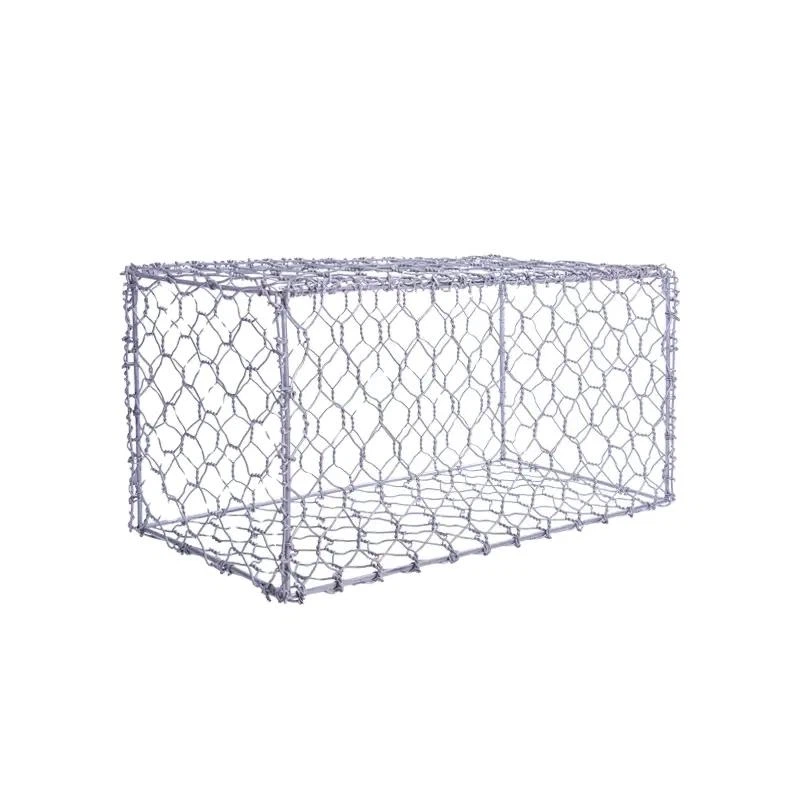
The design of sack gabions plays a significant role in their wind resistance. The shape, size, and configuration of the gabions can affect how they interact with the wind. For example, rectangular or square-shaped gabions are generally more stable than circular ones, as they have a larger base area and are less likely to tip over. Additionally, the spacing between the gabions can also impact their wind resistance. If the gabions are placed too close together, they may create a wind tunnel effect, increasing the wind pressure on the structure. On the other hand, if the gabions are placed too far apart, they may not provide sufficient protection against the wind.
Material
The material used to construct the sack gabions also affects their wind resistance. The most common materials used for sack gabions are galvanized steel wire and PVC-coated wire. Galvanized steel wire is a popular choice because it is strong, durable, and resistant to corrosion. PVC-coated wire, on the other hand, is more flexible and has better weather resistance. Both materials have their advantages and disadvantages, and the choice of material depends on the specific application and environmental conditions.

Installation Method
The installation method of sack gabions is another important factor that affects their wind resistance. Proper installation is crucial for ensuring the stability and integrity of the structure. The gabions should be placed on a level surface and secured to the ground using stakes or other anchoring devices. Additionally, the gabions should be filled with stones or other materials to provide additional weight and stability. If the gabions are not installed correctly, they may be more susceptible to wind damage.
Wind Resistance Testing
To determine the wind resistance of sack gabions, various testing methods can be used. One common method is to conduct wind tunnel tests, which simulate the effects of wind on the structure. During a wind tunnel test, the gabions are placed in a wind tunnel and subjected to different wind speeds and directions. The test results can provide valuable information about the wind resistance of the gabions, including the maximum wind speed they can withstand and the direction in which they are most vulnerable to wind damage.
Another method of testing the wind resistance of sack gabions is to conduct field tests. Field tests involve installing the gabions in a real-world environment and monitoring their performance during a wind event. Field tests can provide more accurate information about the wind resistance of the gabions in actual conditions, but they are also more time-consuming and expensive than wind tunnel tests.
Applications of Sack Gabions in Wind-Prone Areas
Sack gabions are widely used in wind-prone areas for various applications, including erosion control, retaining walls, and flood protection. In erosion control applications, sack gabions can be used to stabilize slopes and prevent soil erosion caused by wind and water. The gabions can be filled with stones or other materials to provide a stable surface for vegetation to grow, which can further help to prevent erosion.
In retaining wall applications, sack gabions can be used to create a strong and stable structure that can withstand the pressure of soil and water. The gabions can be stacked in layers to create a wall of any height and shape, and they can be filled with stones or other materials to provide additional weight and stability.
In flood protection applications, sack gabions can be used to create barriers that can prevent floodwaters from entering buildings and other structures. The gabions can be filled with stones or other materials to provide a heavy and stable barrier that can withstand the force of the floodwaters.
Conclusion
In conclusion, the wind resistance of sack gabions depends on several factors, including the design, material, and installation method. Proper design, material selection, and installation are crucial for ensuring the stability and integrity of the structure. Wind resistance testing can provide valuable information about the performance of the gabions in different environmental conditions. Sack gabions are widely used in wind-prone areas for various applications, including erosion control, retaining walls, and flood protection.
If you're interested in learning more about the wind resistance of sack gabions or other products we offer, such as Hesco Barrier, Galvanized Wire Gabion Box, and Gabion Mesh, please feel free to contact us. Our team of experts is always available to answer your questions and provide you with the information you need to make an informed decision. We look forward to working with you to meet your needs and exceed your expectations.
References
- ASTM International. (2019). Standard Specification for Zinc-Coated (Galvanized) Steel Wire for Fence and Related Purposes. ASTM A153/A153M-19.
- International Erosion Control Association. (2012). Gabion Design and Installation Guidelines.
- US Army Corps of Engineers. (2002). Design and Construction of Gabion Structures. Technical Report ER 1110-2-2306.