






Hey there! I'm a supplier of Hesco Barriers, and I often get asked, "What is the Hesco Barrier made of?" Well, let's dive right into it and break down the components that make these barriers so effective.
The Core Material: Galvanized Steel Mesh
At the heart of a Hesco Barrier is a galvanized steel mesh. This mesh is the backbone of the structure, providing strength and durability. Galvanized steel is steel that has been coated with a layer of zinc to protect it from rust and corrosion. This is super important because Hesco Barriers are often used in outdoor environments, where they're exposed to the elements.
The galvanized steel mesh is woven or welded together to form a sturdy framework. Woven mesh has a more flexible structure, which can be beneficial in certain applications where the barrier needs to conform to the terrain. On the other hand, welded mesh is more rigid and provides a higher level of structural integrity. You can check out Welded Gabion for more info on welded mesh options.
The Coating: Polyethylene
In addition to the galvanized steel mesh, many Hesco Barriers are coated with a layer of polyethylene. This coating serves several purposes. First, it provides an extra layer of protection against corrosion, extending the lifespan of the barrier. Second, it makes the barrier more resistant to UV rays, which can cause the steel to weaken over time.
The polyethylene coating also gives the barrier a smooth surface, which can help prevent debris from sticking to it. This is particularly useful in areas where there's a lot of dust or sand, as it makes the barrier easier to clean and maintain.
The Fill Material
Once the Hesco Barrier is in place, it needs to be filled with a suitable material to provide stability and strength. The most common fill material is soil or sand, but other materials such as gravel, crushed rock, or concrete can also be used.
The choice of fill material depends on several factors, including the intended use of the barrier, the availability of materials, and the local environmental conditions. For example, in areas where there's a lot of water, using a fill material that's resistant to erosion, such as crushed rock, may be a better option.
Different Types of Hesco Barriers and Their Materials
There are several different types of Hesco Barriers, each with its own unique features and materials. Let's take a look at some of the most common types:
Standard Hesco Barriers
These are the most basic type of Hesco Barriers and are made from galvanized steel mesh with a polyethylene coating. They're typically filled with soil or sand and are used for a variety of applications, including flood control, erosion prevention, and perimeter security.
Reinforced Hesco Barriers
Reinforced Hesco Barriers are similar to standard barriers, but they have additional reinforcement in the form of extra steel bars or wires. This makes them stronger and more resistant to impact, making them suitable for use in high-risk areas or where there's a need for greater security.
Hexagonal Gabion Mesh Hesco Barriers
Hexagonal gabion mesh is a type of mesh that's made up of hexagonal-shaped cells. This type of mesh is often used in Hesco Barriers because it provides a high level of flexibility and strength. Hexagonal gabion mesh Hesco Barriers are commonly used in applications where there's a need for a barrier that can conform to the terrain, such as in riverbanks or slopes.

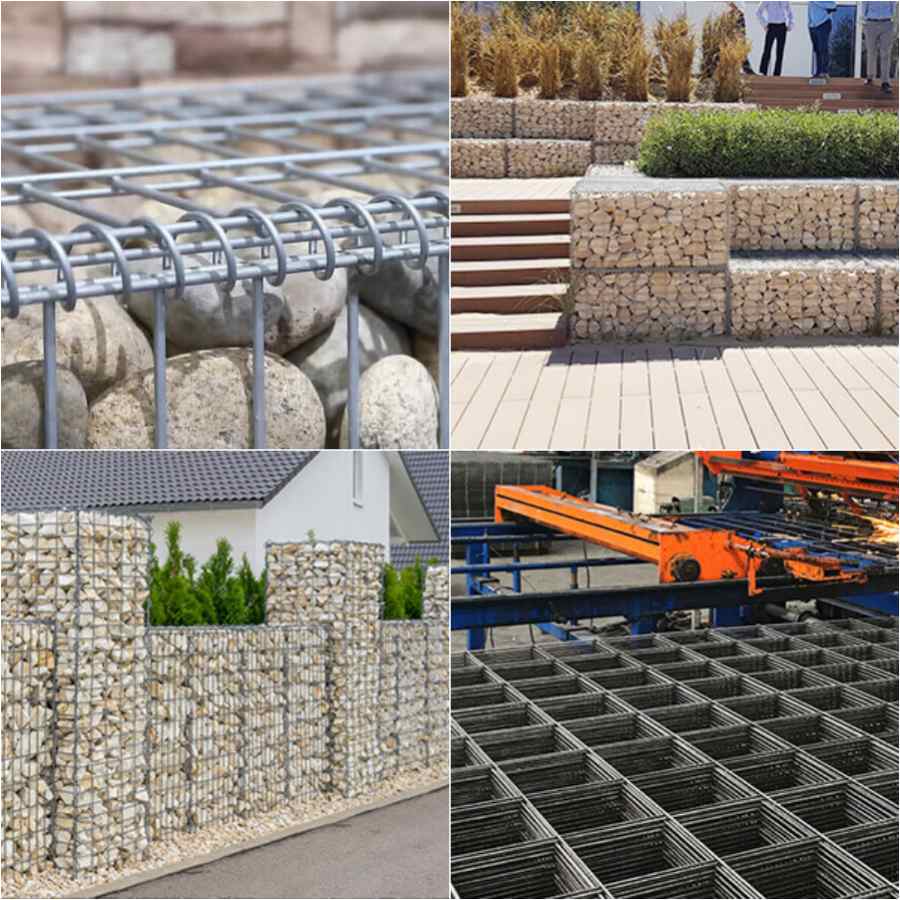
Hexagonal Gabion MeshPET Plastic Gabion
This type of Hesco Barrier combines the strength of hexagonal gabion mesh with the durability of PET plastic. The PET plastic coating provides an extra layer of protection against corrosion and UV rays, making these barriers ideal for use in harsh environments.
Why Choose Our Hesco Barriers?
As a supplier of Hesco Barriers, we take pride in offering high-quality products that are made from the best materials. Our barriers are designed to meet the highest standards of quality and performance, and we use only the finest galvanized steel mesh and polyethylene coatings.
We also offer a wide range of customization options, so you can choose the type of barrier that's right for your specific needs. Whether you need a standard barrier for flood control or a reinforced barrier for high-security applications, we've got you covered.
Contact Us for Your Hesco Barrier Needs
If you're in the market for Hesco Barriers, we'd love to hear from you. Our team of experts can help you choose the right type of barrier for your project and provide you with a competitive quote. Don't hesitate to reach out to us to discuss your requirements and start the procurement process.
References
- ASTM International. (2023). Standard Specification for Zinc-Coated (Galvanized) Steel Welded Wire Mesh for Fences. ASTM A1064/A1064M-19.
- European Committee for Standardization. (2018). EN 10223-2:2018 - Steel wire and wire products - Welded wire fabric - Part 2: Gabions and mattresses.