






Fatigue strength is a crucial property when it comes to materials used in various applications, and copper wire mesh is no exception. As a leading supplier of copper wire mesh, I've witnessed firsthand the importance of understanding this characteristic to ensure the long - term performance of the products.
Understanding Fatigue Strength
Fatigue strength refers to the maximum stress that a material can withstand for a given number of cycles of loading without failure. In the context of copper wire mesh, this means how well the mesh can endure repeated bending, stretching, or other forms of mechanical stress over time. When a copper wire mesh is subjected to cyclic loading, microscopic cracks may initiate at stress - concentration points, such as surface defects or grain boundaries. These cracks gradually grow with each cycle of loading until the mesh eventually fails.
Factors Affecting the Fatigue Strength of Copper Wire Mesh
1. Material Properties
The purity and composition of copper play a significant role in determining the fatigue strength of the wire mesh. High - purity copper generally has better fatigue resistance compared to copper alloys with impurities. This is because impurities can act as stress - raisers, promoting the initiation and growth of cracks. For example, oxygen - free high - conductivity (OFHC) copper is known for its excellent electrical and thermal conductivity as well as good fatigue properties, making it a popular choice for applications where both conductivity and durability are required.
2. Wire Diameter
The diameter of the copper wires used in the mesh also affects its fatigue strength. Thicker wires typically have higher fatigue strength because they can better resist the propagation of cracks. However, thicker wires may also result in a coarser mesh, which may not be suitable for applications that require fine filtration or high precision. On the other hand, thinner wires are more flexible but may be more prone to fatigue failure under cyclic loading.
3. Mesh Structure
The way the copper wires are woven into a mesh structure can influence its fatigue behavior. Different weaving patterns, such as plain weave, twill weave, and Dutch weave, have different mechanical properties. For instance, Plain Weave Stainless Steel Wire Mesh has a simple and regular pattern where the wires cross each other alternately. This pattern provides good stability but may have relatively lower fatigue strength compared to more complex weaves in some cases. Dutch Weave Stainless Steel Wire Mesh, on the other hand, has a tighter structure with different wire diameters for the warp and weft wires, which can enhance the mesh's resistance to fatigue and improve its filtration efficiency.
4. Surface Finish
The surface condition of the copper wire mesh can have a significant impact on its fatigue strength. A smooth surface finish reduces the likelihood of crack initiation, as there are fewer surface irregularities to act as stress - concentration points. Surface treatments, such as electroplating or coating, can not only improve the corrosion resistance of the mesh but also enhance its fatigue performance by providing a protective layer that prevents crack propagation.
Measuring the Fatigue Strength of Copper Wire Mesh
There are several methods to measure the fatigue strength of copper wire mesh. One common approach is the use of fatigue testing machines, which subject the mesh samples to cyclic loading at a specified frequency and stress level. The number of cycles until failure is recorded, and the results are used to construct an S - N curve (stress - number of cycles curve). This curve shows the relationship between the applied stress and the number of cycles the mesh can withstand before failure.
Another method is the use of non - destructive testing techniques, such as ultrasonic testing and eddy - current testing. These techniques can detect the presence of internal defects or cracks in the mesh without causing damage to the sample. By regularly monitoring the mesh using these methods, potential fatigue problems can be identified early, allowing for timely maintenance or replacement.
Applications and the Importance of Fatigue Strength
Copper wire mesh is used in a wide range of applications, and the fatigue strength of the mesh is crucial in ensuring the reliability and longevity of these applications.
1. Filtration
In filtration applications, such as in the chemical, pharmaceutical, and food industries, copper wire mesh is used to separate solids from liquids or gases. The mesh is often subjected to cyclic flow patterns, which can cause fatigue failure over time. A mesh with high fatigue strength can maintain its integrity and filtration efficiency for a longer period, reducing the need for frequent replacements and minimizing downtime.
2. Electrical Shielding
Copper wire mesh is also commonly used for electrical shielding in electronic devices. It helps to block electromagnetic interference (EMI) and radio - frequency interference (RFI). In this application, the mesh may be subjected to mechanical vibrations or thermal cycling, which can lead to fatigue. A mesh with good fatigue strength can ensure consistent shielding performance, protecting the sensitive electronic components from interference.
3. Architectural and Decorative Purposes
In architecture and interior design, copper wire mesh is used for decorative purposes, such as in facades, partitions, and ceiling panels. The mesh may be exposed to wind loads, seismic activity, or other environmental factors that can cause cyclic stress. A high - fatigue - strength mesh can withstand these stresses without losing its shape or structural integrity, maintaining its aesthetic appeal.
Comparing with Other Wire Mesh Materials
When compared to other wire mesh materials, such as Nickle Wire Mesh and stainless steel wire mesh, copper wire mesh has its own unique advantages and limitations in terms of fatigue strength.
Nickel wire mesh has excellent corrosion resistance and high - temperature stability. However, copper wire mesh generally has better electrical and thermal conductivity. In terms of fatigue strength, the performance of nickel wire mesh and copper wire mesh depends on various factors, such as the specific alloy composition, wire diameter, and mesh structure.

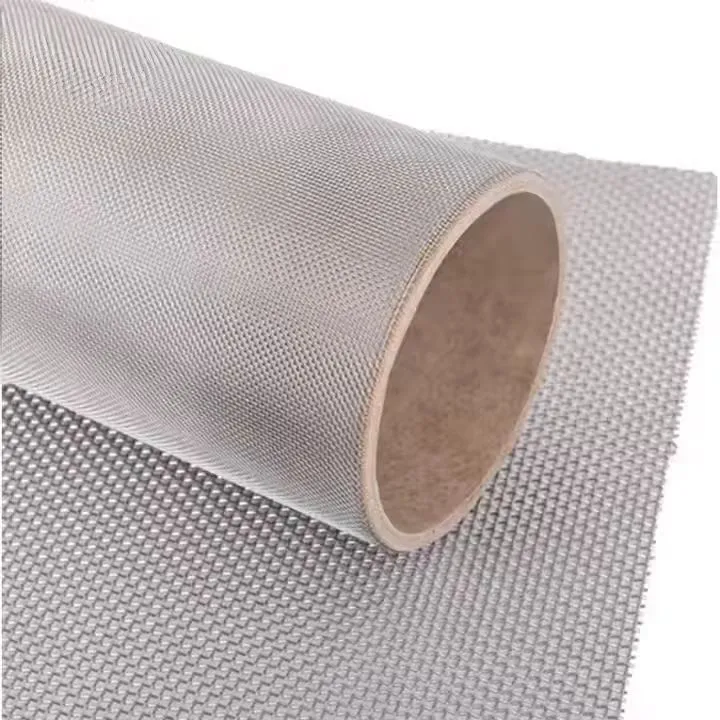
Stainless steel wire mesh is known for its high strength and corrosion resistance. It can often withstand higher levels of stress compared to copper wire mesh. However, copper wire mesh is more ductile and has better electrical conductivity. The choice between copper wire mesh and stainless steel wire mesh for a particular application depends on the specific requirements, including the need for fatigue resistance, conductivity, and corrosion protection.
Conclusion
As a supplier of copper wire mesh, I understand the importance of fatigue strength in ensuring the quality and performance of our products. By carefully considering factors such as material properties, wire diameter, mesh structure, and surface finish, we can produce copper wire mesh with excellent fatigue resistance for a wide range of applications.
If you are in need of high - quality copper wire mesh for your project, whether it's for filtration, electrical shielding, or decorative purposes, I encourage you to contact us. We have a team of experts who can provide you with detailed information and guidance on selecting the right mesh for your specific needs. Let's start a conversation about your requirements and explore how our copper wire mesh can meet your expectations.
References
-ASM Handbook Volume 19: Fatigue and Fracture. ASM International.
-Mechanical Behavior of Materials: Engineering Methods for Deformation, Fracture, and Fatigue. Norman E. Dowling. Pearson.
-Materials Science and Engineering: An Introduction. William D. Callister Jr., David G. Rethwisch. Wiley.