






As a seasoned supplier of 316 stainless steel wire mesh, I understand the critical importance of transporting this high - quality product safely. 316 stainless steel wire mesh is widely used in various industries, including construction, filtration, and decoration, due to its excellent corrosion resistance, high strength, and durability. However, improper transportation can lead to damage, which not only affects the product's appearance but also its performance. In this blog, I will share some essential tips on how to transport 316 stainless steel wire mesh safely.
Pre - transportation Preparation
Before transporting the 316 stainless steel wire mesh, thorough preparation is necessary. First, conduct a comprehensive inspection of the wire mesh. Check for any visible defects such as scratches, dents, or broken wires. If any issues are found, address them immediately to ensure the product meets the quality standards.
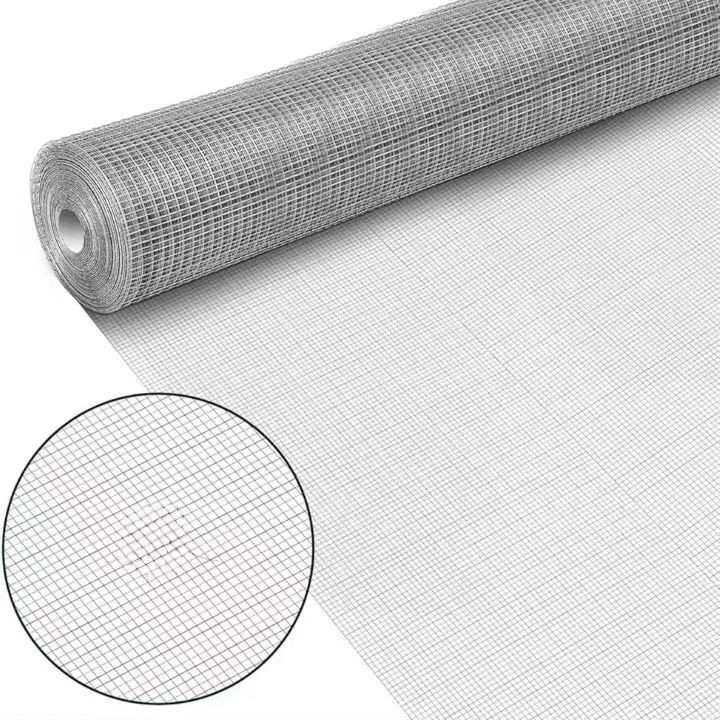
Next, proper packaging is crucial. Wrap the wire mesh with a protective layer, such as plastic film or bubble wrap. This layer acts as a buffer, protecting the mesh from scratches and minor impacts during transportation. For larger rolls or sheets of wire mesh, use wooden pallets or crates. Secure the wire mesh to the pallet or inside the crate using straps or fasteners to prevent movement.
Choosing the Right Transportation Method
The choice of transportation method depends on several factors, including the quantity of wire mesh, the distance of transportation, and the urgency of delivery.
Road Transportation
Road transportation is a common choice for short - to medium - distance deliveries. When using trucks, ensure that the truck bed is clean and free of any sharp objects that could damage the wire mesh. If possible, use trucks with a covered trailer to protect the wire mesh from weather conditions such as rain, snow, and sunlight.
For long - distance road transportation, consider using shock - absorbing materials inside the trailer. This can help reduce the impact of bumps and vibrations on the wire mesh. Additionally, make sure the truck is properly loaded, with the wire mesh evenly distributed to prevent shifting during transit.

Rail Transportation
Rail transportation is suitable for large - quantity and long - distance deliveries. When using rail cars, similar to trucks, ensure that the car is clean and free of debris. Secure the wire mesh pallets or crates inside the rail car using appropriate restraints. Rail transportation is generally more stable than road transportation, but it is still important to protect the wire mesh from potential impacts during loading and unloading.
Sea Transportation
For international or long - distance overseas deliveries, sea transportation is often the most cost - effective option. When shipping 316 stainless steel wire mesh by sea, use shipping containers. Inspect the container for any signs of damage or corrosion before loading the wire mesh. Place the wire mesh on pallets and stack them carefully inside the container. Use bracing materials to prevent the pallets from moving during the voyage.
It is also important to consider the humidity and saltwater environment during sea transportation. Use desiccants inside the container to absorb moisture and prevent rusting. If possible, choose a shipping route with relatively stable weather conditions.
Handling During Loading and Unloading
Proper handling during loading and unloading is essential to prevent damage to the 316 stainless steel wire mesh.
Loading
When loading the wire mesh onto the transportation vehicle, use appropriate lifting equipment such as forklifts or cranes. Make sure the lifting equipment is in good working condition and that the operators are trained. Lift the wire mesh pallets or crates carefully, avoiding sudden movements or jerks.
If the wire mesh is being loaded onto a truck, start from the front of the truck and work towards the back, ensuring even weight distribution. For rail cars and shipping containers, stack the pallets or crates in an organized manner to maximize space utilization while maintaining stability.
Unloading
During unloading, follow the same careful procedures as loading. Use the correct lifting equipment and ensure that the wire mesh is placed on a clean and flat surface. Inspect the wire mesh again after unloading to check for any damage that may have occurred during transit.
Protecting Against Environmental Factors
316 stainless steel wire mesh is resistant to corrosion, but it can still be affected by extreme environmental conditions during transportation.
Weather Protection
As mentioned earlier, protect the wire mesh from rain, snow, and sunlight. When using open - air transportation methods, such as uncovered trucks, use tarps to cover the wire mesh. Ensure that the tarps are securely fastened to prevent them from blowing off during transit.
Chemical Exposure
Avoid exposing the wire mesh to chemicals during transportation. If the transportation vehicle has previously carried chemicals, clean it thoroughly before loading the wire mesh. Also, keep the wire mesh away from areas where chemical spills may occur, such as near industrial sites or chemical storage facilities.
Monitoring During Transportation
For high - value or large - quantity shipments of 316 stainless steel wire mesh, consider using tracking devices. These devices can provide real - time information on the location and condition of the shipment. Some advanced tracking devices can also monitor factors such as temperature, humidity, and vibration.
Regularly communicate with the transportation carrier to get updates on the status of the shipment. This can help you address any potential issues promptly and ensure that the wire mesh arrives at its destination safely.
Conclusion
Transporting 316 stainless steel wire mesh safely requires careful planning, proper packaging, the right transportation method, and attention to detail during loading, unloading, and transit. By following these guidelines, you can minimize the risk of damage to the wire mesh and ensure that your customers receive a high - quality product.
If you are interested in purchasing 316 stainless steel wire mesh, Perforated Tube, Aluminum Wire Mesh, or Brass Wire Mesh, please feel free to contact us for more information and to discuss your specific requirements. We are committed to providing you with the best products and services.
References
- "Handbook of Stainless Steel" - A comprehensive guide on the properties and applications of stainless steel, which includes information relevant to the handling and transportation of 316 stainless steel wire mesh.
- Industry standards and guidelines from organizations related to the transportation of metal products, which provide best practices for ensuring the safety of the transported materials.