






As a supplier of nickel wire mesh, ensuring the quality of our products is of utmost importance. High - quality nickel wire mesh is essential for a wide range of applications, from industrial filtration to decorative uses. In this blog, I will share some effective methods on how to test the quality of nickel wire mesh.
1. Visual Inspection
The first step in testing the quality of nickel wire mesh is a simple yet crucial visual inspection. Start by examining the surface of the mesh. A high - quality nickel wire mesh should have a smooth and uniform surface. There should be no visible cracks, scratches, or deformities on the wires. Any irregularities on the surface can compromise the integrity of the mesh and may lead to premature failure in its application.
Check the wire diameter consistency. The wires in the mesh should have a uniform thickness throughout. Variations in wire diameter can affect the strength and filtration performance of the mesh. For instance, if some wires are thinner than others, they may break more easily under stress, reducing the overall durability of the mesh.
Inspect the weaving pattern. A well - woven nickel wire mesh will have a consistent and regular pattern. Inaccurate weaving can result in loose wires or uneven spacing between the wires, which can impact the functionality of the mesh. For example, in a filtration application, uneven spacing may allow larger particles to pass through than intended.
2. Tensile Strength Testing
Tensile strength is a key indicator of the quality of nickel wire mesh. This test measures the maximum amount of tensile (pulling) stress that the mesh can withstand before breaking.
To conduct a tensile strength test, you will need a tensile testing machine. Cut a sample of the nickel wire mesh to a specific size, usually according to industry standards. The sample is then clamped at both ends of the testing machine. The machine gradually applies a pulling force to the sample until it breaks.
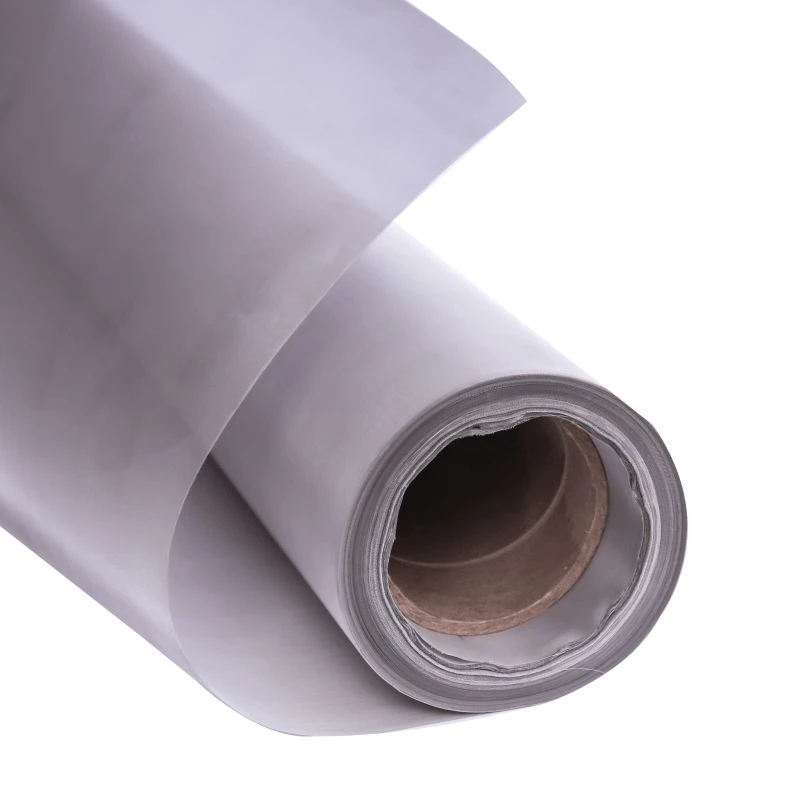

During the test, record the maximum force applied before the breakage. Compare this value with the standard tensile strength for nickel wire mesh of the same specification. A higher tensile strength indicates a better - quality mesh that can withstand greater forces without breaking. This is particularly important in applications where the mesh is subjected to mechanical stress, such as in conveyor belts or screens.
3. Chemical Composition Analysis
The chemical composition of nickel wire mesh plays a vital role in its quality and performance. Nickel is the main component, but other elements may be present in trace amounts, which can affect the properties of the mesh.
One common method for chemical composition analysis is spectroscopy. This technique uses the interaction of light with the sample to determine the types and amounts of elements present. For example, atomic absorption spectroscopy (AAS) can accurately measure the concentration of different elements in the nickel wire mesh.
A proper chemical composition is crucial for corrosion resistance. Nickel has good corrosion - resistant properties, but the presence of impurities or incorrect alloying elements can reduce this resistance. In a marine environment, for example, a nickel wire mesh with a high - quality chemical composition will resist rust and corrosion better, ensuring a longer service life.
4. Corrosion Resistance Testing
Corrosion resistance is a significant factor, especially for nickel wire mesh used in harsh environments. There are several ways to test the corrosion resistance of the mesh.
One method is the salt spray test. In this test, a sample of the nickel wire mesh is placed in a salt - spray chamber. A fine mist of saltwater is sprayed onto the sample for a specific period, usually several hours or days. After the test, examine the sample for signs of corrosion, such as rust spots or pitting.
Another approach is the immersion test. The mesh sample is immersed in a corrosive solution, such as a solution of hydrochloric acid or sodium chloride, for a set time. Then, measure the weight loss of the sample. A lower weight loss indicates better corrosion resistance.
Good corrosion resistance is essential for applications like chemical processing plants, where the mesh may come into contact with corrosive chemicals. 18x18 Mesh Stainless Steel Wire Mesh and Ss Wire Mesh also need to have high corrosion resistance in similar environments.
5. Filtration Efficiency Testing
If the nickel wire mesh is intended for filtration applications, filtration efficiency testing is necessary. This test measures how effectively the mesh can remove particles of a specific size from a fluid or gas.
To perform the test, prepare a test rig with a known concentration of particles in a fluid or gas. Pass the fluid or gas through the nickel wire mesh sample. Measure the particle concentration before and after passing through the mesh. Calculate the filtration efficiency as the percentage reduction in particle concentration.
The mesh's pore size and uniformity are critical factors in filtration efficiency. A mesh with a consistent pore size will have a more predictable filtration performance. For example, in a water filtration system, a high - quality nickel wire mesh will effectively remove contaminants of the desired size, ensuring clean water output. Plain Weave Stainless Steel Wire Mesh also undergoes similar filtration efficiency testing in relevant applications.
6. Dimensional Accuracy Testing
Dimensional accuracy is important for the proper fit and function of nickel wire mesh in various applications. Measure the overall size of the mesh, including its length, width, and thickness. Use precision measuring tools such as calipers or micrometers.
Check the mesh opening size. This is the distance between adjacent wires. The opening size should be within the specified tolerance. Inaccurate opening sizes can affect the filtration performance or the ability of the mesh to fit into a particular device.
The wire spacing should also be measured. Consistent wire spacing is necessary for uniform performance. For example, in a screen used for sorting materials, accurate wire spacing ensures that only particles of the appropriate size can pass through.
Conclusion
Testing the quality of nickel wire mesh is a comprehensive process that involves multiple aspects. Visual inspection, tensile strength testing, chemical composition analysis, corrosion resistance testing, filtration efficiency testing, and dimensional accuracy testing are all essential steps to ensure that the mesh meets the required standards.
As a supplier, we are committed to providing high - quality nickel wire mesh. By conducting these tests rigorously, we can guarantee that our products are reliable and suitable for a wide range of applications. If you are interested in purchasing nickel wire mesh for your project, we invite you to contact us for further discussions and to explore how our products can meet your specific needs.
References
- ASTM International. Standard test methods for wire screens and sieves for testing purposes.
- ASM Handbook Committee. ASM Handbook Volume 3: Alloy Phase Diagrams.
- ISO. International Organization for Standardization standards related to metal wire meshes.