






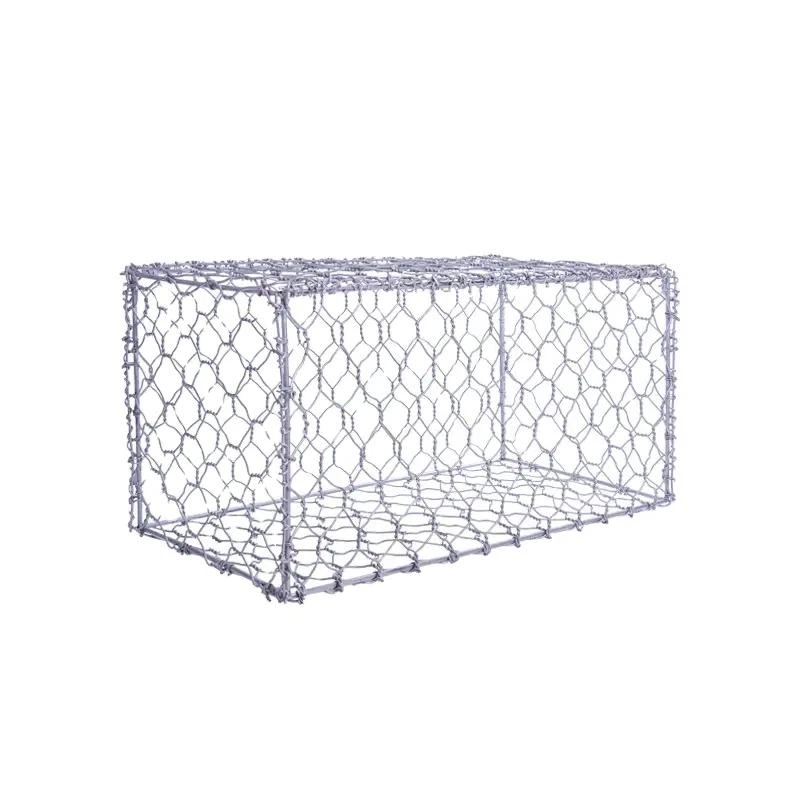
The flexibility of hexagonal gabion mesh is a remarkable characteristic that significantly enhances its applicability across various industries. As a dedicated supplier of Hexagonal Gabion Mesh, I have witnessed firsthand how this flexibility translates into practical benefits for our customers. In this blog post, I will explore the ways in which the flexibility of hexagonal gabion mesh benefits its application.
Adaptability to Uneven Terrain
One of the primary advantages of the flexibility of hexagonal gabion mesh is its ability to adapt to uneven terrain. Unlike rigid structures, which require a perfectly level surface for installation, hexagonal gabion mesh can conform to the natural contours of the land. This makes it an ideal choice for projects in areas with challenging topography, such as slopes, embankments, and riverbanks.
When constructing a retaining wall or a slope stabilization system using hexagonal gabion mesh, the mesh can be easily bent and shaped to follow the curve of the terrain. This ensures a secure and stable installation, even on irregular surfaces. The flexibility of the mesh also allows for the creation of custom-shaped structures, which can be tailored to the specific requirements of the project.
For example, in a riverbank protection project, the hexagonal gabion mesh can be used to create a flexible and porous structure that conforms to the natural shape of the riverbank. This allows water to flow through the structure, reducing the impact of erosion and protecting the bank from further damage. The flexibility of the mesh also enables it to withstand the forces of water and soil movement, ensuring the long-term stability of the structure.
Resistance to Ground Movement
Another significant benefit of the flexibility of hexagonal gabion mesh is its resistance to ground movement. In areas prone to earthquakes, landslides, or other forms of ground instability, rigid structures can be easily damaged or destroyed. However, hexagonal gabion mesh can absorb and distribute the forces of ground movement, reducing the risk of structural failure.
The hexagonal shape of the mesh provides a high degree of flexibility and strength, allowing it to withstand significant deformation without losing its integrity. When the ground moves, the mesh can stretch and bend, absorbing the energy of the movement and preventing it from causing damage to the structure. This makes hexagonal gabion mesh an excellent choice for projects in areas with high seismic activity or unstable soil conditions.
For instance, in an earthquake-prone region, the use of hexagonal gabion mesh in the construction of retaining walls and foundations can help to reduce the risk of structural damage. The flexibility of the mesh allows it to adapt to the ground movement during an earthquake, minimizing the impact on the structure and ensuring its safety.
Ease of Installation
The flexibility of hexagonal gabion mesh also makes it easy to install, reducing the time and cost of construction. Unlike rigid structures, which often require specialized equipment and skilled labor for installation, hexagonal gabion mesh can be easily assembled on-site using simple tools and techniques.
The mesh is typically supplied in rolls or panels, which can be easily transported to the construction site. Once on-site, the mesh can be unrolled and cut to the desired size and shape. The individual panels can then be connected together using wire ties or other fastening methods to create a continuous structure.
The flexibility of the mesh also allows for easy adjustment during installation. If the terrain or the design of the project changes, the mesh can be easily repositioned or modified to accommodate the new requirements. This reduces the need for costly and time-consuming rework, ensuring that the project can be completed on schedule and within budget.
Enhanced Drainage and Filtration
Hexagonal gabion mesh provides excellent drainage and filtration properties, which are essential for many applications. The open structure of the mesh allows water to flow freely through the structure, preventing the buildup of hydrostatic pressure and reducing the risk of water damage.
In addition to drainage, the mesh also acts as a filter, trapping sediment and debris while allowing water to pass through. This helps to improve the quality of the water and protect the environment. For example, in a stormwater management system, the hexagonal gabion mesh can be used to filter out pollutants and sediment from the runoff, reducing the impact on water bodies.
The flexibility of the mesh also allows for the creation of multi-layered structures, which can further enhance the drainage and filtration properties. By combining different types of mesh with varying aperture sizes, it is possible to create a customized filtration system that meets the specific requirements of the project.
Longevity and Durability
Hexagonal gabion mesh is known for its longevity and durability, making it a cost-effective solution for many applications. The mesh is typically made from high-quality materials, such as galvanized steel or PVC-coated steel, which are resistant to corrosion and rust.
The flexibility of the mesh also contributes to its durability. By allowing the structure to adapt to ground movement and environmental changes, the mesh can reduce the stress on the structure and prevent premature failure. This ensures that the structure will last for many years, providing a reliable and long-term solution for the project.
For example, in a coastal protection project, the hexagonal gabion mesh can be used to create a durable and flexible seawall that can withstand the harsh marine environment. The mesh is resistant to corrosion and erosion, and its flexibility allows it to adapt to the changing tides and waves, ensuring the long-term stability of the seawall.

Environmental Friendliness
Hexagonal gabion mesh is an environmentally friendly solution for many applications. The mesh is made from natural materials, such as stone or gravel, which are readily available and sustainable. The use of these materials reduces the environmental impact of the project and helps to preserve natural resources.
In addition, the open structure of the mesh allows for the growth of vegetation, which can help to improve the ecological balance of the area. The vegetation provides habitat for wildlife, reduces soil erosion, and improves air quality. This makes hexagonal gabion mesh an ideal choice for projects that aim to protect the environment and promote sustainable development.
For instance, in a landscaping project, the hexagonal gabion mesh can be used to create a natural-looking retaining wall or a garden bed. The mesh can be filled with soil and planted with native plants, creating a beautiful and sustainable landscape that blends in with the surrounding environment.
Versatility of Applications
The flexibility of hexagonal gabion mesh makes it a versatile solution for a wide range of applications. It can be used in civil engineering projects, such as retaining walls, slope stabilization, and riverbank protection, as well as in landscaping, erosion control, and environmental restoration projects.
In civil engineering, hexagonal gabion mesh is commonly used to create retaining walls, which are used to support soil and prevent erosion. The flexibility of the mesh allows for the creation of curved or irregular-shaped retaining walls, which can be tailored to the specific requirements of the project. The mesh can also be used to create foundations, embankments, and other structural elements.
In landscaping, hexagonal gabion mesh can be used to create decorative features, such as garden beds, planters, and fences. The mesh can be filled with a variety of materials, such as stones, gravel, or soil, to create a unique and attractive look. The flexibility of the mesh also allows for the creation of custom-shaped structures, which can be used to enhance the aesthetic appeal of the landscape.
In erosion control and environmental restoration projects, hexagonal gabion mesh can be used to create flexible and porous structures that help to prevent soil erosion and promote the growth of vegetation. The mesh can be used to stabilize slopes, protect riverbanks, and create wildlife habitats. The flexibility of the mesh allows it to adapt to the natural environment, ensuring the long-term success of the project.
Conclusion
In conclusion, the flexibility of hexagonal gabion mesh offers numerous benefits for its application in various industries. Its adaptability to uneven terrain, resistance to ground movement, ease of installation, enhanced drainage and filtration, longevity and durability, environmental friendliness, and versatility of applications make it an ideal choice for a wide range of projects.
As a supplier of Hexagonal Gabion Mesh, we understand the importance of providing high-quality products that meet the specific requirements of our customers. Our hexagonal gabion mesh is manufactured using the latest technology and highest quality materials, ensuring its performance and reliability.
If you are interested in learning more about the benefits of hexagonal gabion mesh or would like to discuss your project requirements, please do not hesitate to contact us. We are committed to providing excellent customer service and will be happy to assist you in finding the right solution for your project.
References
- "Gabion Design and Construction Manual," Federal Highway Administration, United States Department of Transportation.
- "Soil Erosion and Sediment Control Handbook," Natural Resources Conservation Service, United States Department of Agriculture.
- "Earth Retaining Structures: Design and Construction," P. Krishna Rao, McGraw-Hill Education.