

Volcanic activity is one of the most powerful and unpredictable natural phenomena on Earth. It can bring about a series of hazards, including lava flows, pyroclastic flows, ash falls, and mudslides. In areas prone to volcanic activity, it is crucial to have effective protective measures in place to safeguard lives, property, and infrastructure. As a supplier of Hesco Barriers, I have been closely following how these barriers perform in such challenging environments.
Understanding Hesco Barriers
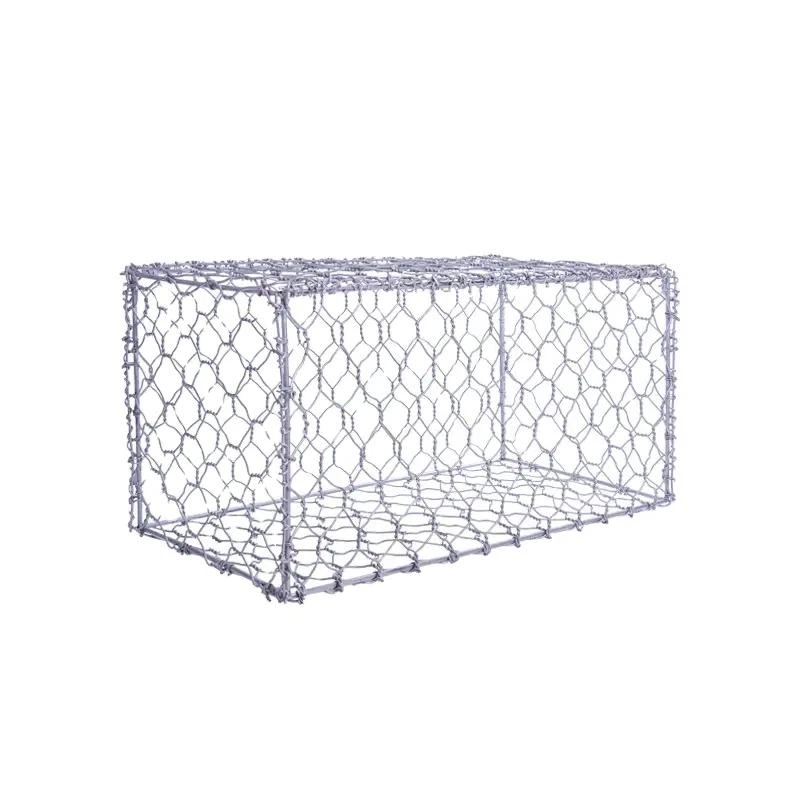
Hesco Barriers, also known as wire mesh containers or gabions, are engineered structures made of welded wire mesh panels and lined with a geotextile fabric. They are designed to be quickly deployed and filled with local materials such as soil, sand, or gravel. Once filled, they form a sturdy and reliable barrier that can withstand various forces. You can learn more about Hesco Barriers on our website Hesco Barrier.
Resistance to Lava Flows
Lava flows are one of the most destructive aspects of volcanic eruptions. They can move slowly but steadily, engulfing everything in their path. While Hesco Barriers are not designed to stop a direct lava flow, they can play a role in redirecting and containing the flow to some extent.
The wire mesh structure of Hesco Barriers provides a certain degree of flexibility. When filled with suitable materials, the barrier can act as a buffer zone. The material inside the barrier can absorb some of the heat from the lava, reducing its speed and energy. Additionally, by strategically placing Hesco Barriers, it is possible to guide the lava flow away from critical areas such as residential neighborhoods or important infrastructure.
However, it is important to note that the effectiveness of Hesco Barriers against lava flows depends on several factors. The type and viscosity of the lava, the volume of the flow, and the terrain all play a role. For example, more viscous lava may be more easily redirected, while a large and fast - moving lava flow may overwhelm the barrier.

Protection Against Pyroclastic Flows
Pyroclastic flows are a mixture of hot gas, ash, and rock fragments that can travel at extremely high speeds down the slopes of a volcano. These flows are extremely dangerous and can cause widespread destruction.
Hesco Barriers can offer some protection against pyroclastic flows. The geotextile lining of the barrier helps to filter out the finer ash particles, reducing the amount of ash that can penetrate through the barrier. The solid structure of the filled barrier can also act as a physical barrier, slowing down the pyroclastic flow and protecting areas behind it.
In areas where the pyroclastic flow is less intense, Hesco Barriers can be used to create a series of protective walls. These walls can be arranged in a way that forces the pyroclastic flow to change direction, spreading out its energy and reducing the impact on a single area.
Mitigating Ash Falls
Ash falls are another common hazard associated with volcanic eruptions. Volcanic ash can cause damage to buildings, contaminate water supplies, and disrupt transportation and communication systems.
Hesco Barriers can be used to create barriers around water sources, such as wells or reservoirs, to prevent ash from contaminating the water. The wire mesh and geotextile lining can act as a filter, trapping the ash particles and allowing clean water to pass through.
In addition, Hesco Barriers can be placed around buildings and infrastructure to reduce the amount of ash that accumulates. By creating a physical barrier, the wind - borne ash is less likely to settle directly on the structures, reducing the risk of structural damage and the need for extensive cleaning.
Preventing Mudslides
Volcanic eruptions can also trigger mudslides, especially when heavy rainfall occurs after an eruption. The combination of loose volcanic ash and water can create a highly fluid and destructive mudflow.
Hesco Barriers can be an effective tool in preventing mudslides. They can be installed on slopes to stabilize the soil and prevent the downward movement of mud and debris. The filled barriers act as retaining walls, holding back the soil and reducing the risk of slope failure.
The wire mesh structure allows water to drain through the barrier, preventing the build - up of hydrostatic pressure that can contribute to mudslides. The geotextile lining also helps to prevent the erosion of the soil inside the barrier, ensuring its long - term stability.
Real - World Applications
There have been several instances where Hesco Barriers have been used in areas affected by volcanic activity. In some volcanic regions, local authorities have deployed Hesco Barriers to protect critical infrastructure such as power plants and water treatment facilities. These barriers have helped to minimize the damage caused by volcanic hazards and ensure the continued operation of essential services.
For example, in a recent volcanic event, Hesco Barriers were used to protect a small coastal town from a potential mudslide. The barriers were installed on the slopes above the town and filled with local soil. When heavy rainfall occurred after the eruption, the barriers effectively held back the mud and debris, preventing them from reaching the town.
Advantages of Hesco Barriers in Volcanic Areas
One of the main advantages of Hesco Barriers is their rapid deployment. In a volcanic emergency, time is of the essence. Hesco Barriers can be quickly transported to the affected area and assembled on - site. This allows for a timely response to the changing volcanic conditions.
Another advantage is their cost - effectiveness. Compared to more permanent and complex protective structures, Hesco Barriers are relatively inexpensive. They can be filled with locally available materials, reducing the need for costly transportation of construction materials.
The versatility of Hesco Barriers is also a significant advantage. They can be used in various configurations and for different purposes, depending on the specific volcanic hazard. Whether it is redirecting a lava flow, protecting against pyroclastic flows, or preventing mudslides, Hesco Barriers can be adapted to meet the needs of the situation.
Limitations and Challenges
While Hesco Barriers have many benefits, they also have some limitations. As mentioned earlier, they may not be able to withstand a direct and large - scale lava flow. In addition, the long - term exposure to the harsh volcanic environment, including high temperatures, acidic gases, and abrasive ash, can cause damage to the wire mesh and geotextile lining.
Maintenance of Hesco Barriers in volcanic areas can also be a challenge. Periodic inspections are required to ensure the integrity of the barriers, and any damaged parts need to be repaired or replaced promptly.
Other Related Products
In addition to Hesco Barriers, we also offer other related products that can be useful in volcanic areas. Our Hexagonal Gabion MeshPET Plastic Gabion is a type of gabion made of hexagonal wire mesh with a PET plastic coating. This coating provides additional protection against corrosion, making it suitable for use in the acidic and abrasive volcanic environment.
Our Gabion Mesh is also a versatile product that can be used for various applications, such as slope stabilization and erosion control. It can be customized to meet different specifications and requirements.
Conclusion
In conclusion, Hesco Barriers can play a valuable role in areas with volcanic activity. They offer a cost - effective, rapidly deployable, and versatile solution for protecting against various volcanic hazards. While they have some limitations, when used in combination with other protective measures and proper planning, they can significantly reduce the impact of volcanic eruptions on lives and property.
If you are in an area prone to volcanic activity and are interested in learning more about how our Hesco Barriers and other related products can help protect your community or infrastructure, I encourage you to reach out to us. We have a team of experts who can provide you with detailed information and advice on the best solutions for your specific needs. Let's work together to enhance the resilience of your area against volcanic hazards.
References
- "Volcanic Hazards and Risk Assessment" by John E. Ewert and Thomas L. Casadevall
- "Engineering Geology and Volcanic Processes" by Anthony R. Cruden and David J. Varnes
- "The Use of Geotextiles in Volcanic Environments" by Geosynthetics Research Institute