





As a supplier of Sack Gabions, I often encounter questions from customers regarding the necessity of anchoring these structures. In this blog post, I will delve into the topic of whether Sack Gabions need to be anchored, exploring the scientific and practical aspects of this issue.
Understanding Sack Gabions
Sack Gabions are essentially wire mesh containers filled with stones or other suitable materials. They are widely used in various civil engineering and environmental protection projects, such as erosion control, retaining walls, and flood prevention. Their popularity stems from their simplicity, cost - effectiveness, and environmental friendliness.
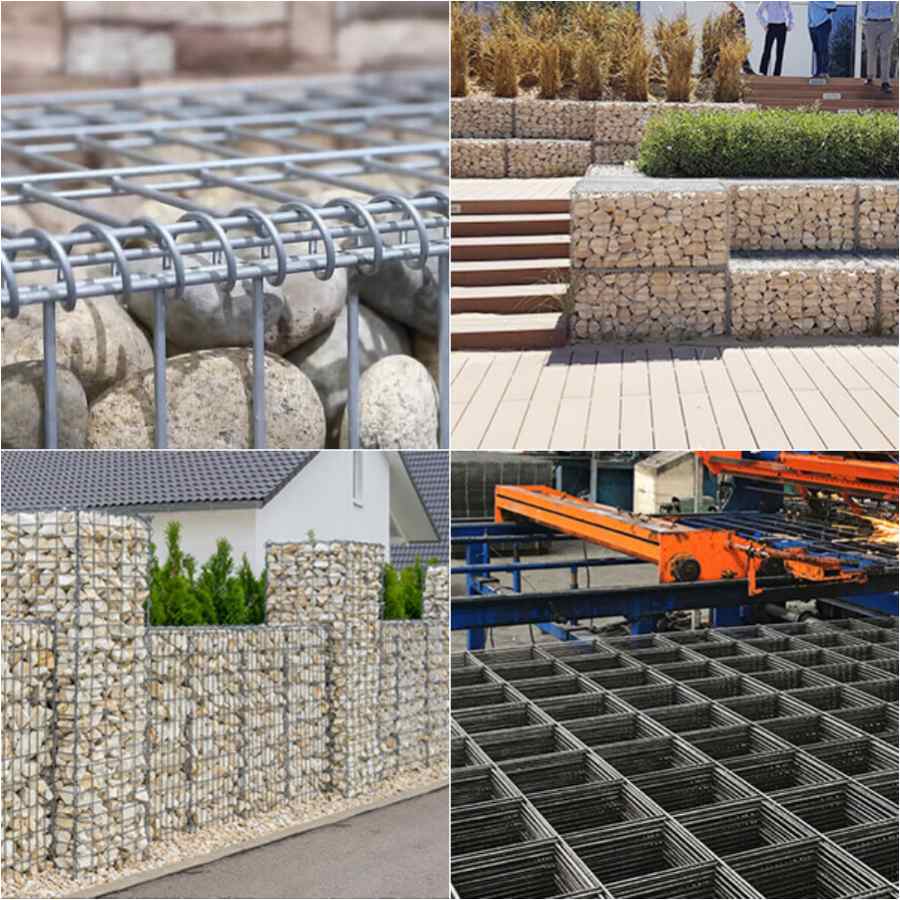
The basic structure of Sack Gabions consists of a wire mesh sack that holds the fill material in place. The wire mesh is typically made of galvanized steel or other corrosion - resistant materials to ensure long - term durability. The fill material can range from large rocks to gravel, depending on the specific application requirements.
Factors Influencing the Need for Anchoring
1. Location and Site Conditions
The location of the Sack Gabion installation plays a crucial role in determining whether anchoring is necessary. In areas with high - velocity water flow, such as rivers or coastal regions, the hydrostatic pressure and drag forces exerted on the Sack Gabions can be significant. Without proper anchoring, the Gabions may be displaced or washed away, leading to the failure of the structure.
For example, in a river with a strong current, the water flow can create a lateral force on the Sack Gabions. If the Gabions are not anchored, they may be pushed downstream, causing damage to the surrounding environment and potentially endangering nearby infrastructure. On the other hand, in a relatively calm and stable location, such as a garden retaining wall, the need for anchoring may be less critical.
2. Size and Weight of the Sack Gabions
The size and weight of the Sack Gabions also influence the need for anchoring. Larger and heavier Gabions are generally more stable and less likely to be displaced. However, if the Gabions are very large and are subject to extreme forces, even their weight may not be sufficient to prevent movement.
For instance, in a large - scale flood control project, where the Sack Gabions are used to create a barrier against floodwaters, the sheer force of the water can be overwhelming. In such cases, anchoring is essential to ensure the stability of the structure. Smaller Sack Gabions, on the other hand, may be more easily moved by external forces, and anchoring can provide the necessary additional stability.
3. Type of Fill Material
The type of fill material used in the Sack Gabions can affect their stability. If the fill material is loose or has a low density, the Gabions may be more prone to movement. For example, using fine gravel as fill material may result in a less stable structure compared to using large, heavy rocks.
When the fill material is not well - compacted, the Sack Gabions may settle or shift over time. Anchoring can help to prevent this movement and maintain the integrity of the structure. Additionally, the shape and size of the fill material can also impact the stability of the Gabions. Irregularly shaped rocks tend to interlock better, providing more stability than smooth, round stones.
Methods of Anchoring Sack Gabions
1. Ground Anchors
Ground anchors are one of the most common methods of anchoring Sack Gabions. These anchors are typically driven into the ground and attached to the Gabions using wires or cables. Ground anchors can be made of steel or other strong materials and are designed to resist the forces that may cause the Gabions to move.
There are different types of ground anchors, such as screw anchors and driven anchors. Screw anchors are screwed into the ground, providing a strong hold. Driven anchors, on the other hand, are hammered or driven into the ground. The choice of anchor type depends on the soil conditions and the magnitude of the forces acting on the Gabions.

2. Connection to Existing Structures
Another method of anchoring Sack Gabions is to connect them to existing structures, such as buildings, bridges, or other retaining walls. This can be done using bolts, brackets, or other connection devices. By connecting the Gabions to a stable structure, the overall stability of the Gabion system is enhanced.
For example, in a coastal protection project, the Sack Gabions can be connected to a seawall. This connection helps to distribute the forces exerted by the waves and prevents the Gabions from being washed away.
3. Inter - Gabion Connections
Inter - Gabion connections can also contribute to the stability of the Sack Gabion structure. By connecting adjacent Gabions together using wires or clips, a more unified and stable structure is created. This method helps to distribute the forces evenly across the Gabion system and reduces the risk of individual Gabions being displaced.
Benefits of Anchoring Sack Gabions
1. Enhanced Stability
The primary benefit of anchoring Sack Gabions is enhanced stability. By preventing the Gabions from moving or being displaced, the structure can better withstand external forces, such as water flow, wind, or seismic activity. This is particularly important in areas where the Gabions are used for critical applications, such as flood control or slope stabilization.
2. Long - Term Durability
Anchoring helps to ensure the long - term durability of the Sack Gabion structure. When the Gabions are properly anchored, they are less likely to experience damage or deterioration over time. This reduces the need for frequent maintenance and replacement, saving both time and money in the long run.
3. Environmental Protection
In environmental protection projects, such as erosion control, properly anchored Sack Gabions can help to protect the soil and prevent sedimentation. By maintaining the stability of the Gabion structure, the risk of soil erosion and sediment runoff is reduced, which is beneficial for the surrounding ecosystem.
Related Products and Their Applications
If you are interested in Sack Gabions, you may also be interested in other related products such as Gabion Cage, Welded Gabion, and Hesco Barrier.
Gabion Cages are similar to Sack Gabions but are typically larger and more rigid. They are often used in large - scale projects, such as dam construction and coastal protection. Welded Gabions are made by welding the wire mesh, providing a stronger and more durable structure. They are suitable for applications where high strength is required, such as retaining walls in industrial areas. Hesco Barriers are pre - fabricated wire mesh containers that can be quickly deployed in emergency situations, such as flood or military applications.
Conclusion
In conclusion, the need for anchoring Sack Gabions depends on various factors, including the location, size, weight, and fill material of the Gabions. In most cases, especially in areas with high - velocity water flow or extreme forces, anchoring is essential to ensure the stability and long - term durability of the structure.
As a Sack Gabion supplier, I can provide you with high - quality products and professional advice on the installation and anchoring of Sack Gabions. If you have any questions or are interested in purchasing Sack Gabions or related products, please feel free to contact me for further discussion and negotiation.
References
- "Gabion Design and Construction Manual" by the Federal Highway Administration.
- "Soil Mechanics and Foundation Engineering" by B.M. Das.
- "Coastal Engineering Manual" by the U.S. Army Corps of Engineers.