






Do Hesco Barriers affect wildlife?
Hey there! I'm a supplier of Hesco Barriers, and I've been getting a lot of questions lately about how these barriers impact wildlife. So, I thought I'd take some time to dive into this topic and share what I've learned.
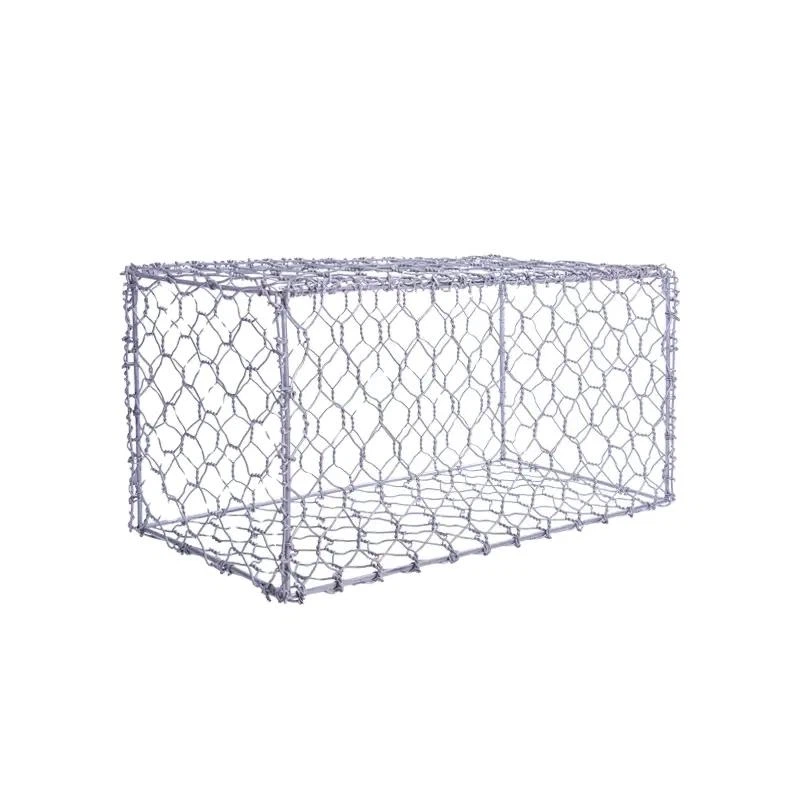
First off, let's talk about what Hesco Barriers are. Hesco Barriers, also known as wire mesh containers or gabions, are made of welded wire mesh panels that are filled with soil, sand, or other materials. They're commonly used for flood control, erosion prevention, and military applications. You can find more info about them on this Hesco Barrier page.
Now, the big question: do Hesco Barriers affect wildlife? Well, the answer isn't a simple yes or no. It really depends on a few factors, like where the barriers are installed, how they're installed, and what kind of wildlife is in the area.
Installation Location
If Hesco Barriers are installed in an area that's a critical habitat for wildlife, like a wetland or a forest, they can definitely have a negative impact. For example, if a barrier is placed across a migration route for birds or mammals, it can disrupt their natural movement patterns. This can lead to a decrease in population numbers as animals struggle to find food, water, and mates.
On the other hand, if the barriers are installed in an area that's already been disturbed, like a construction site or an industrial area, they might actually have a positive impact. They can help to stabilize the soil and prevent further erosion, which can create a more stable environment for wildlife to live in.
Installation Method
The way Hesco Barriers are installed can also have an impact on wildlife. If the installation process is noisy and disruptive, it can scare away animals from the area. For example, if heavy machinery is used to install the barriers, it can create a lot of noise and vibration, which can be stressful for wildlife.
However, if the installation is done in a more sensitive way, like using hand tools instead of heavy machinery, the impact on wildlife can be minimized. Additionally, if the barriers are installed in a way that allows for some natural movement of water and wildlife, like leaving gaps or creating wildlife corridors, it can help to reduce the negative impact.
Types of Wildlife
Different types of wildlife are affected by Hesco Barriers in different ways. For example, small mammals and reptiles might be more affected by the physical presence of the barriers, as they might have trouble climbing over or getting through them. Birds, on the other hand, might be more affected by the disruption of their flight paths.
Some species might actually benefit from the presence of Hesco Barriers. For example, some birds might use the barriers as perches or nesting sites. And some small mammals might use the areas around the barriers as shelter from predators.
Mitigating the Impact
So, what can we do to minimize the impact of Hesco Barriers on wildlife? Here are a few suggestions:
- Conduct a wildlife survey: Before installing Hesco Barriers, it's important to conduct a survey of the area to identify any critical habitats or wildlife species that might be affected. This can help to determine the best location and installation method for the barriers.
- Choose the right location: Whenever possible, try to install the barriers in areas that are already disturbed or that have a low impact on wildlife. Avoid installing them in critical habitats or migration routes.
- Use wildlife-friendly installation methods: As mentioned earlier, using hand tools instead of heavy machinery can help to reduce the noise and disruption during installation. Additionally, creating wildlife corridors and leaving gaps in the barriers can help to allow for natural movement of water and wildlife.
- Monitor the impact: After the barriers are installed, it's important to monitor the area to see how the wildlife is responding. This can help to identify any problems early on and take corrective action if necessary.
The Role of Gabion Mesh
Gabion mesh is an important component of Hesco Barriers. It's the wire mesh that makes up the structure of the barriers. There are different types of gabion mesh available, like Gabion Mesh and Hexagonal Gabion MeshPET Plastic Gabion.
The type of gabion mesh used can also have an impact on wildlife. For example, some types of mesh might be more durable and less likely to break down over time, which can reduce the risk of entanglement for wildlife. Additionally, some mesh designs might be more open and allow for better water flow and wildlife movement.
Conclusion
In conclusion, Hesco Barriers can have both positive and negative impacts on wildlife. It really depends on a variety of factors, like the location, installation method, and the types of wildlife in the area. As a supplier of Hesco Barriers, it's our responsibility to make sure that our products are installed in a way that minimizes the impact on wildlife.

If you're considering using Hesco Barriers for your project, I encourage you to do your research and take the necessary steps to protect the environment and the wildlife that lives in it. And if you have any questions or need more information, feel free to reach out. We're here to help you make the best decision for your project.
If you're interested in purchasing Hesco Barriers or any of our other products, we'd love to hear from you. We can provide you with more information, answer your questions, and help you with the purchasing process. Just let us know how we can assist you.
References
- "Wildlife and Habitat Conservation in the Face of Development" - Journal of Environmental Management
- "The Impact of Infrastructure Development on Wildlife Migration Routes" - Wildlife Biology Journal
- "Best Practices for Installing Erosion Control Structures in Sensitive Areas" - Environmental Science and Technology