






As a supplier of Epoxy Coated Security Screens, I often get asked a variety of questions from customers. One of the most frequent queries is whether epoxy coated security screens block UV rays. In this blog post, I'll delve into this topic to provide you with a comprehensive understanding.
Understanding UV Rays
Before we discuss whether epoxy coated security screens can block UV rays, it's essential to understand what UV rays are. Ultraviolet (UV) rays are a form of non - ionizing radiation that comes from the sun and artificial sources like tanning beds. There are three main types of UV rays: UVA, UVB, and UVC. UVC rays are mostly absorbed by the Earth's atmosphere and do not reach the surface. However, UVA and UVB rays can penetrate the atmosphere and have various effects on our skin and other materials.
UVA rays have a longer wavelength and can penetrate deep into the skin, causing premature aging, wrinkles, and contributing to skin cancer. UVB rays have a shorter wavelength and are responsible for sunburns and also play a significant role in the development of skin cancer.
How Epoxy Coating Works
Epoxy coating is a type of polymer that is applied to a surface, in this case, the security screen. The coating is known for its durability, corrosion resistance, and ability to provide a smooth finish. Epoxy resins are typically composed of two parts: a resin and a hardener. When these two components are mixed, a chemical reaction occurs, resulting in a solid, protective layer.
In the context of security screens, epoxy coating serves multiple purposes. It protects the screen from rust and corrosion, making it last longer. It also enhances the aesthetic appeal of the screen, giving it a clean and professional look. But the question remains: does it block UV rays?

Can Epoxy Coated Security Screens Block UV Rays?
The answer is yes, to some extent. Epoxy coatings can provide a certain level of UV protection. The epoxy resin itself has some inherent properties that can absorb and scatter UV rays. When the UV rays hit the epoxy - coated surface, a portion of the energy is absorbed by the coating, preventing it from reaching the underlying screen material and any objects behind the screen.
However, it's important to note that the level of UV protection provided by epoxy coated security screens is not absolute. The effectiveness of UV blocking depends on several factors:
1. Coating Thickness
A thicker epoxy coating will generally provide better UV protection than a thinner one. This is because a thicker layer has more material to absorb and scatter the UV rays. During the manufacturing process, we can control the thickness of the epoxy coating to some degree, but there are practical limits. If the coating is too thick, it may affect the flexibility and functionality of the security screen.
2. Quality of the Epoxy Resin
Not all epoxy resins are created equal. High - quality epoxy resins are formulated with additives that enhance their UV - blocking capabilities. These additives can include UV stabilizers, which are chemicals that help to prevent the degradation of the epoxy resin when exposed to UV rays. When choosing an epoxy coated security screen, it's important to select one that uses a high - quality epoxy resin with UV stabilizers.
3. Exposure Time
Over time, the UV - blocking ability of the epoxy coating may degrade. Continuous exposure to UV rays can cause the epoxy resin to break down, reducing its effectiveness. This is why it's important to periodically inspect and maintain the epoxy coated security screens.
Benefits of UV - Blocking Epoxy Coated Security Screens
Even though the UV protection may not be 100%, there are still many benefits to having epoxy coated security screens that block UV rays:
1. Protection of Interior Furnishings
UV rays can cause fading and damage to furniture, carpets, and other interior furnishings. By blocking a significant portion of the UV rays, epoxy coated security screens can help to extend the lifespan of these items and keep them looking new for longer.
2. Health Benefits
Reducing the amount of UV rays that enter a building can also have health benefits for the occupants. It can lower the risk of skin damage and skin cancer, especially for those who spend a lot of time near windows.
3. Energy Efficiency
Some UV - blocking epoxy coated security screens can also help with energy efficiency. By reducing the amount of solar heat that enters the building through the windows, they can help to keep the interior cooler, reducing the need for air conditioning.
Our Epoxy Coated Security Screens
As a supplier, we take pride in offering high - quality epoxy coated security screens. Our screens are made with a [mention the specific type or grade] epoxy resin that has been formulated with advanced UV stabilizers. We carefully control the coating thickness during the manufacturing process to ensure optimal UV protection and functionality.
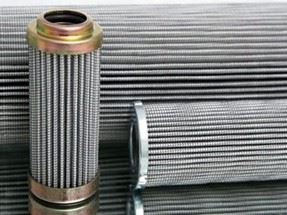
Our Epoxy coated wire mesh for hydraulic&fuel oil filter is designed to meet the highest standards of quality and performance. The epoxy coating not only provides excellent UV protection but also offers superior corrosion resistance, making it suitable for a wide range of applications.
We also offer Epoxy Coated Mesh, which is available in different sizes and mesh configurations to meet your specific needs. Whether you need a fine mesh for a window screen or a coarser mesh for a larger security application, we have you covered.
For those looking for a solution to keep mosquitoes out while also blocking UV rays, our Window Screen Mesh Mosquito Screen Mesh is an ideal choice. It combines the functionality of a mosquito screen with the UV - blocking properties of our epoxy coating.
Contact Us for Procurement
If you're interested in purchasing epoxy coated security screens for your home or business, we'd love to hear from you. Our team of experts can help you choose the right product based on your specific requirements. We offer competitive pricing, high - quality products, and excellent customer service. Whether you need a small quantity for a residential project or a large order for a commercial building, we can accommodate your needs.
References
- Diffey, B. L. (1991). Solar ultraviolet radiation effects on biological systems. Physics in Medicine and Biology, 36(3), 299 - 328.
- Goldie, C. A. (2009). Epoxy Resins: Chemistry and Technology. CRC Press.
- International Agency for Research on Cancer (IARC). (2009). Solar and ultraviolet radiation. IARC Monographs on the Evaluation of Carcinogenic Risks to Humans, 100D, 1 - 572.