






Can Phosphor Bronze Wire Mesh be used in aerospace applications?
Hey there! I'm a supplier of Phosphor Bronze Wire Mesh, and I've been getting a lot of questions lately about whether our product can be used in aerospace applications. So, I thought I'd take a moment to dive into this topic and share some insights.
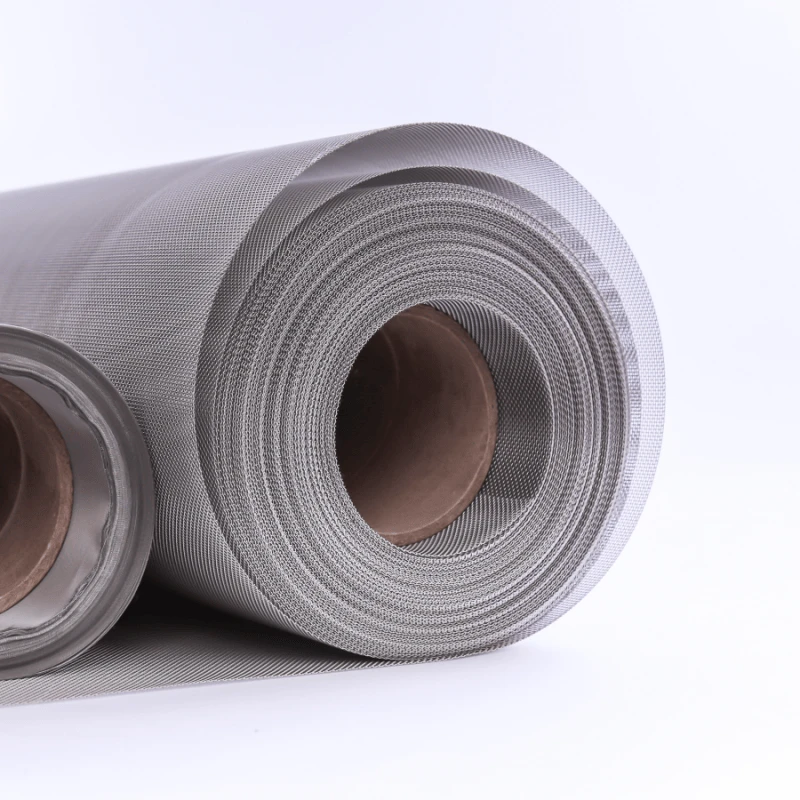
First off, let's talk a bit about what Phosphor Bronze Wire Mesh is. Phosphor bronze is an alloy made up of copper, tin, and a small amount of phosphorus. This combination gives it some pretty unique properties. It's strong, corrosion - resistant, and has good electrical conductivity. The wire mesh is created by weaving these phosphor bronze wires together, resulting in a material that can be used in a variety of industries.
Now, when it comes to aerospace applications, there are some strict requirements. The materials used in aerospace need to be lightweight, strong, and able to withstand extreme conditions. Let's see how Phosphor Bronze Wire Mesh stacks up.
Strength and Durability
One of the key requirements in aerospace is strength. Aircraft and spacecraft are subjected to high levels of stress during take - off, flight, and landing. Phosphor bronze has a relatively high tensile strength, which means it can handle a good amount of pulling force without breaking. This makes it suitable for applications where a strong and durable mesh is needed. For example, it could be used in filters or screens that need to withstand the high - speed flow of air or fluids within the aircraft's systems.
Corrosion Resistance
Aerospace components are often exposed to harsh environments, including moisture, chemicals, and saltwater (especially in naval aviation). Phosphor bronze has excellent corrosion resistance, which is a huge advantage. It can resist the formation of rust and other forms of corrosion, ensuring that the wire mesh maintains its integrity over time. This is crucial for long - term use in aerospace, where maintenance and replacement can be costly and time - consuming.
Electrical Conductivity
In modern aerospace, electrical systems are everywhere. From avionics to communication equipment, a reliable electrical connection is essential. Phosphor bronze has good electrical conductivity, which means it can be used in applications where electrical grounding or signal transmission is required. For instance, it could be used in electromagnetic shielding to protect sensitive electronic components from interference.
Weight Considerations
Weight is a major factor in aerospace design. Every extra pound adds to the fuel consumption and reduces the aircraft's performance. While phosphor bronze is not as lightweight as some other materials like carbon fiber, it can still be used in applications where weight is not the primary concern. For example, in non - critical areas or in components where the strength and other properties of phosphor bronze outweigh the weight factor.
Comparison with Other Materials
There are other materials commonly used in aerospace, such as 316 Stainless Steel Wire Mesh. Stainless steel is also strong and corrosion - resistant, but phosphor bronze has some unique advantages. Phosphor bronze is more malleable, which means it can be easily formed into different shapes. This can be useful in applications where a custom - shaped mesh is required.
Another type of mesh is Reverse Dutch Weave Stainless Steel Wire Mesh and Dutch Weave Stainless Steel Wire Mesh. These stainless - steel meshes are known for their precise filtration capabilities. However, phosphor bronze can offer a different balance of properties, such as better corrosion resistance in certain environments and the ability to be easily soldered or welded.
Potential Applications in Aerospace
- Filtration: Phosphor Bronze Wire Mesh can be used in air and fuel filters. It can trap particles and contaminants while allowing the smooth flow of air or fuel. The high - strength and corrosion - resistant properties ensure that the filter lasts a long time and maintains its filtration efficiency.
- Shielding: As mentioned earlier, its electrical conductivity makes it suitable for electromagnetic shielding. It can protect sensitive electronic equipment from electromagnetic interference, which is crucial for the proper functioning of the aircraft's avionics.
- Structural Components: In some non - critical structural applications, where a combination of strength and corrosion resistance is needed, Phosphor Bronze Wire Mesh could be used. For example, it could be part of a support structure for a small component within the aircraft.
Challenges
Of course, Phosphor Bronze Wire Mesh isn't without its challenges in aerospace applications. One of the main issues is its weight. As I mentioned earlier, weight is a major concern in aerospace. In applications where weight is a critical factor, other lighter materials might be preferred. Also, the cost of phosphor bronze can be relatively high compared to some other metals. This could be a deterrent for large - scale use in aerospace, where cost - effectiveness is always a consideration.
Conclusion
So, can Phosphor Bronze Wire Mesh be used in aerospace applications? The answer is yes, it can. It has several properties that make it suitable for a variety of aerospace uses, including strength, corrosion resistance, and electrical conductivity. However, it also has some limitations, such as weight and cost.

If you're in the aerospace industry and are looking for a reliable and high - quality Phosphor Bronze Wire Mesh, I'd love to have a chat with you. We can discuss your specific requirements and see how our product can meet your needs. Whether it's for a small - scale prototype or a large - scale production project, we're here to help.
Don't hesitate to reach out if you want to learn more or start a procurement discussion. We're committed to providing the best products and services to our customers in the aerospace and other industries.
References
- "Materials Science and Engineering: An Introduction" by William D. Callister, Jr. and David G. Rethwisch
- "Aerospace Materials and Their Properties" by John Morton