






Can hexagonal gabion mesh be used in railway embankment protection?
As a supplier of Hexagonal Gabion Mesh, I often encounter inquiries about the diverse applications of our products. One question that frequently arises is whether hexagonal gabion mesh can be effectively used in railway embankment protection. In this blog post, I will delve into this topic, exploring the feasibility, advantages, and considerations of using hexagonal gabion mesh for railway embankment protection.
Feasibility of Using Hexagonal Gabion Mesh in Railway Embankment Protection
Railway embankments are crucial structures that support the tracks and ensure the stability of the railway system. They are exposed to various environmental factors such as rainfall, wind, and seismic activity, which can cause erosion, slope instability, and other forms of damage. Therefore, it is essential to implement effective protection measures to maintain the integrity and safety of railway embankments.
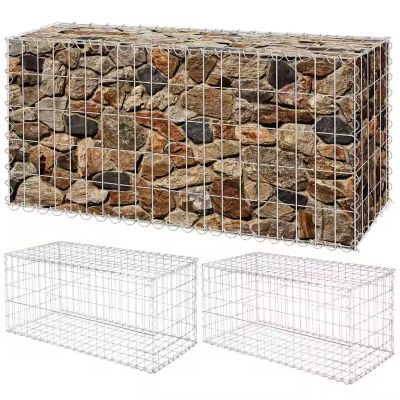

Hexagonal gabion mesh, made of high - strength steel wire woven into a hexagonal pattern, offers several properties that make it a feasible option for railway embankment protection. Firstly, its flexible structure allows it to adapt to the natural settlement and deformation of the embankment. Unlike rigid structures, hexagonal gabion mesh can absorb and distribute the forces exerted on the embankment, reducing the risk of cracking and failure.
Secondly, the porous nature of the gabion mesh allows for the drainage of water. Excess water is a major cause of embankment instability, as it can increase the weight of the soil and reduce its shear strength. By allowing water to drain through the mesh, hexagonal gabion mesh helps to maintain the stability of the embankment by preventing waterlogging.
Advantages of Hexagonal Gabion Mesh in Railway Embankment Protection
1. Erosion Control
One of the primary functions of railway embankment protection is to prevent soil erosion. Hexagonal gabion mesh acts as a physical barrier that holds the soil in place, preventing it from being washed away by rain or surface runoff. The wire mesh provides a stable framework for the filling material (usually stones), which further enhances its erosion - control capabilities.
2. Cost - Effectiveness
Compared to other traditional methods of embankment protection, such as concrete retaining walls, hexagonal gabion mesh is more cost - effective. The materials used in gabion mesh are relatively inexpensive, and the installation process is less labor - intensive. Additionally, the long - term maintenance costs are lower, as the gabion mesh is durable and requires minimal upkeep.
3. Environmental Friendliness
Hexagonal gabion mesh is an environmentally friendly option for railway embankment protection. The use of natural stones as filling material reduces the carbon footprint associated with the construction process. Moreover, the porous structure of the gabion mesh allows for the growth of vegetation, which can further enhance the ecological balance of the area and improve the aesthetic appearance of the embankment.
4. Quick Installation
In railway construction projects, time is often of the essence. Hexagonal gabion mesh can be quickly installed on - site, minimizing the disruption to railway operations. The pre - fabricated mesh panels can be easily transported to the construction site and assembled, saving both time and resources.
Considerations When Using Hexagonal Gabion Mesh in Railway Embankment Protection
1. Design and Engineering
Proper design and engineering are crucial when using hexagonal gabion mesh for railway embankment protection. Factors such as the slope angle, soil properties, and expected loads need to be carefully considered to ensure the stability and effectiveness of the gabion structure. It is recommended to consult with a professional geotechnical engineer to design the gabion system according to the specific requirements of the railway embankment.
2. Material Quality
The quality of the hexagonal gabion mesh and the filling material is of utmost importance. Low - quality wire mesh may corrode over time, reducing its strength and durability. Therefore, it is essential to source high - quality wire mesh that is coated with a corrosion - resistant material, such as zinc or PVC. Similarly, the filling stones should be of appropriate size, shape, and strength to ensure the stability of the gabion structure.
3. Maintenance
Although hexagonal gabion mesh requires minimal maintenance, regular inspections are still necessary to ensure its long - term performance. Any signs of damage, such as broken wires or displaced stones, should be repaired promptly to prevent further deterioration of the gabion structure.
Comparison with Other Protection Methods
In addition to hexagonal gabion mesh, there are other methods available for railway embankment protection, such as Hesco Barrier and Sack Gabion.
Hesco barriers are pre - fabricated wire mesh containers that can be quickly deployed and filled with soil or sand. They are often used for temporary flood protection and military applications. While Hesco barriers offer high strength and quick installation, they may not be as suitable for long - term railway embankment protection due to their relatively high cost and limited flexibility.
Sack gabions are made of woven geotextile bags filled with stones. They are a more flexible and cost - effective alternative to traditional gabion boxes. However, sack gabions may have a shorter lifespan compared to hexagonal gabion mesh, especially in areas with high water flow or seismic activity.
Conclusion
In conclusion, hexagonal gabion mesh can be effectively used in railway embankment protection. Its flexible structure, erosion - control capabilities, cost - effectiveness, and environmental friendliness make it a viable option for maintaining the stability and safety of railway embankments. However, proper design, high - quality materials, and regular maintenance are essential to ensure its long - term performance.
If you are considering using hexagonal gabion mesh for your railway embankment protection project, I encourage you to reach out to us. Our team of experts can provide you with detailed information, technical support, and customized solutions to meet your specific needs. Whether you are a railway construction company, an engineering firm, or a government agency, we are committed to providing you with the highest - quality hexagonal gabion mesh products and services. Let's work together to ensure the safety and durability of your railway embankments.
References
- Das, B. M. (2014). Principles of Geotechnical Engineering. Cengage Learning.
- Terzaghi, K., Peck, R. B., & Mesri, G. (1996). Soil Mechanics in Engineering Practice. John Wiley & Sons.
- National Cooperative Highway Research Program (NCHRP). (2001). Design and Construction of Gabion Structures. Transportation Research Board.