





In recent years, environmental sustainability has become a paramount concern across various industries. As a supplier of Sack Gabion, I often encounter questions about the environmental friendliness of our products. In this blog, I will delve into the topic to provide a comprehensive understanding of whether sack gabions are environmentally friendly.
What are Sack Gabions?
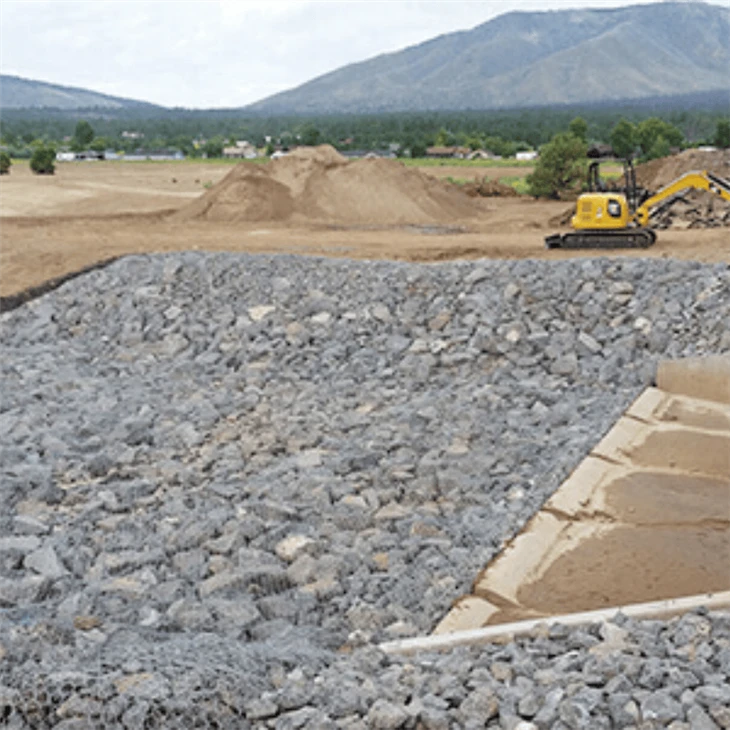
Sack gabions are flexible containers typically made of woven wire mesh or geotextile fabric filled with stones, gravel, or other suitable materials. They are widely used in civil engineering and erosion control projects due to their versatility, durability, and cost - effectiveness. Compared to traditional rigid structures, sack gabions offer a more natural and adaptable solution for a variety of applications, such as retaining walls, riverbank protection, and slope stabilization.
Environmental Benefits of Sack Gabions
1. Use of Natural Materials
One of the primary environmental advantages of sack gabions is the use of natural materials. The filling materials, such as stones and gravel, are abundant in nature and can be sourced locally in many cases. This reduces the need for long - distance transportation of construction materials, thereby minimizing carbon emissions associated with shipping. Additionally, using natural stones and gravel helps to maintain the ecological balance as these materials are an integral part of the natural environment. They do not introduce foreign or harmful substances into the ecosystem.
2. Erosion Control and Soil Conservation
Sack gabions play a crucial role in erosion control and soil conservation. When used along riverbanks, coastlines, or on slopes, they can effectively prevent soil erosion by stabilizing the soil. The porous nature of the gabions allows water to seep through, reducing the impact of water flow and preventing the scouring of soil. This helps to preserve the topsoil, which is essential for plant growth and biodiversity. By protecting the soil from erosion, sack gabions contribute to the long - term health of the ecosystem and prevent sedimentation in water bodies, which can have negative impacts on aquatic life.
3. Habitat Creation
Sack gabions can create new habitats for various forms of wildlife. The spaces between the stones in the gabions provide shelter for small animals, insects, and plants. These micro - habitats can support a diverse range of species, enhancing the overall biodiversity of the area. For example, in a riverbank project, the gabions can serve as a refuge for fish during high - flow events and as a breeding ground for amphibians. The vegetation that can grow on and around the gabions also attracts birds and other wildlife, creating a more balanced and sustainable ecosystem.
4. Long - Term Durability
Sack gabions are known for their long - term durability. They can withstand harsh environmental conditions, including extreme weather, water flow, and seismic activity. This means that once installed, they do not need to be replaced frequently. In contrast, some traditional construction materials may require regular maintenance or replacement, which can result in more resource consumption and waste generation over time. The long lifespan of sack gabions reduces the overall environmental impact associated with repeated construction and demolition activities.
Comparison with Other Similar Products
1. Sack Gabion vs. Hesco Barrier
Hesco barriers are also used for erosion control and flood protection. However, they are often made of a combination of wire mesh and steel frames, which may have a higher carbon footprint during the manufacturing process compared to sack gabions. Sack gabions, on the other hand, are more flexible in terms of the filling materials and can be made with less energy - intensive manufacturing processes. Additionally, Hesco barriers are more rigid in structure, which may not be as adaptable to natural landscapes as sack gabions.
2. Sack Gabion vs. Gabion Cage
Gabion cages are similar to sack gabions but are usually more rigidly constructed. While gabion cages also offer erosion control benefits, they may require more precise installation and may not be as suitable for some irregularly shaped areas. Sack gabions, with their flexibility, can conform to the contours of the land more easily, reducing the need for extensive site preparation. In terms of environmental impact, both products use natural filling materials, but the manufacturing process of gabion cages may involve more energy - consuming steps, such as welding and forming the rigid frames.

Potential Environmental Concerns
1. Material Sourcing
Although sack gabions use natural materials, there are still potential environmental concerns related to material sourcing. If the stones and gravel are extracted from quarries in an unsustainable manner, it can lead to habitat destruction, soil erosion, and water pollution. As a responsible supplier, we ensure that our filling materials are sourced from quarries that follow strict environmental regulations and sustainable extraction practices. We work closely with our suppliers to verify that they are using proper reclamation techniques to restore the quarries after extraction.
2. Chemical Coating
Some sack gabions may be coated with chemicals to enhance their durability and corrosion resistance. If these chemicals are not environmentally friendly, they can leach into the soil and water, causing pollution. At our company, we offer uncoated or use only environmentally friendly coatings that are non - toxic and do not pose a threat to the ecosystem. We conduct regular tests on our products to ensure that they meet the highest environmental standards.
Conclusion
Overall, sack gabions are a relatively environmentally friendly solution for a wide range of civil engineering and erosion control projects. Their use of natural materials, ability to control erosion, create habitats, and long - term durability make them a sustainable choice. However, it is essential to address the potential environmental concerns, such as responsible material sourcing and the use of non - toxic coatings.
As a supplier, we are committed to providing high - quality sack gabions that not only meet the functional requirements of our customers but also minimize the environmental impact. If you are interested in our Sack Gabion products for your next project, we invite you to contact us for more information and to discuss your specific needs. We look forward to working with you to create sustainable and environmentally friendly solutions.
References
- "Erosion Control and Sedimentation Handbook" by the United States Department of Agriculture.
- "Habitat Creation and Restoration: The Ecological Effects of Civil Engineering Works" by Peter Bridgewater.
- "Sustainable Construction Materials: Properties and Applications" by John Smith.