





Industrial filtration is a complex engineering discipline that relies on the precise separation of solids from liquids or gases. At the heart of this process lies the stainless steel screen, a component valued for its ability to maintain its geometric integrity under extreme operational stress. Unlike synthetic filters, stainless steel screens provide a permanent and cleanable solution that can handle high-temperature and high-pressure environments typical of heavy industry. This analysis explores how different industrial sectors customize their screening technology to meet specific flow dynamics and particle capture requirements, ensuring that complex production lines remain efficient and free from contamination.
High-Pressure Hydraulic and Fuel Systems
Protecting Precision Valve Components
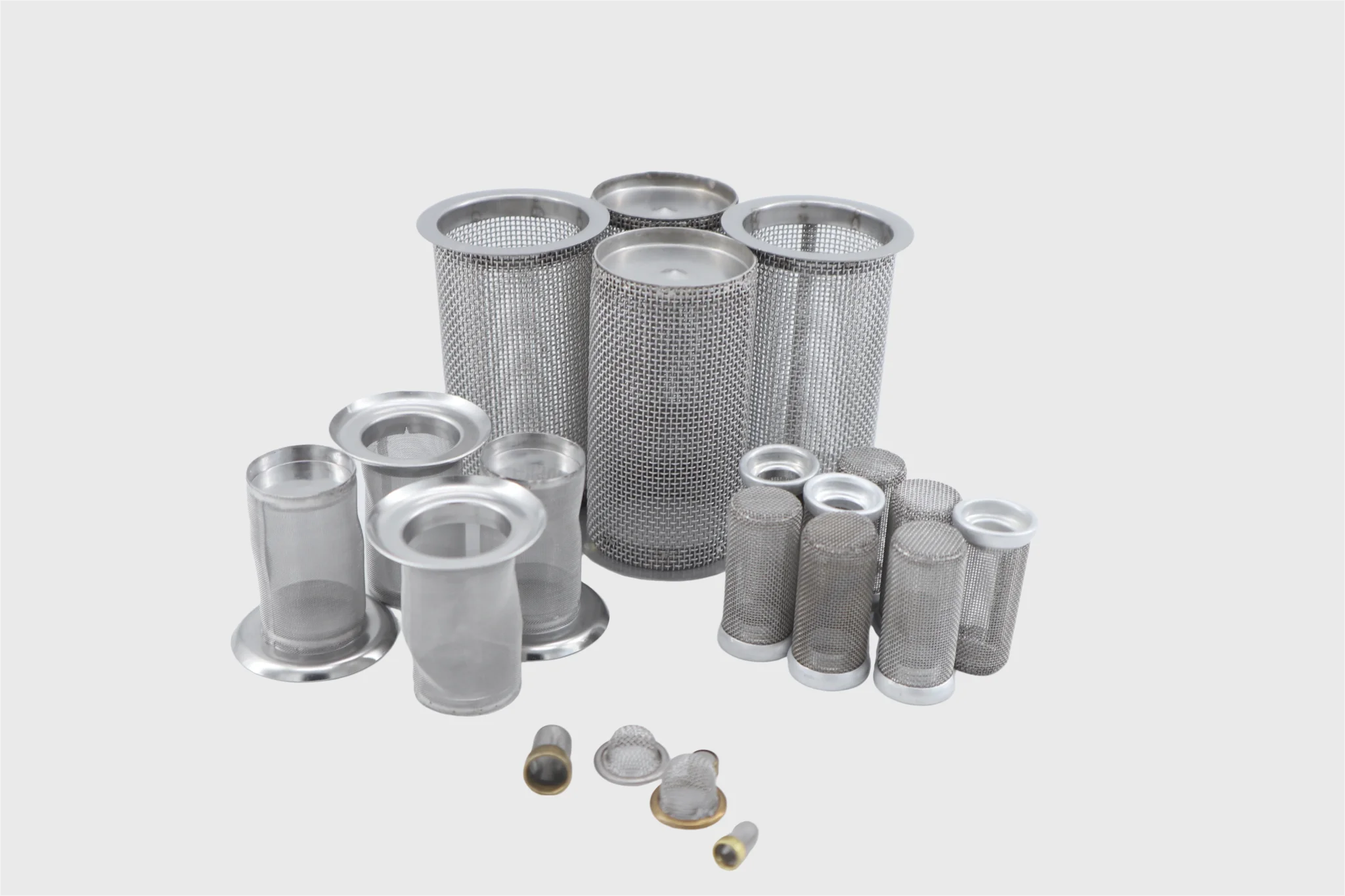
In high-pressure hydraulic systems, the smallest particle of grit can cause a valve to stick or a pump to fail, leading to costly downtime or dangerous mechanical failures. Stainless steel screens are "good" at acting as last-chance filters, placed directly before sensitive components. These screens are typically made from dense, high-strength weaves that can withstand the sudden "shocks" of hydraulic pressure changes without deforming. Because the fluid moves at high velocity, the screen must be engineered to have a low profile to prevent unnecessary turbulence while still capturing every particle above a specific micron size. Their role is critical in maintaining the reliability of aircraft controls, heavy construction machinery, and automated industrial robots.
Fuel Clarity and Engine Performance
The aerospace and automotive industries require fuel that is free from any microscopic sediment or water droplets. Stainless steel screens are used in fuel tanks and injection systems to ensure that only pure fuel reaches the combustion chamber. They are "good" for this task because they do not react with the chemical additives found in modern fuels and can operate at the high temperatures found near the engine block. In jet engines, these screens are often pleated to increase the surface area, allowing for high flow rates even as the screen begins to capture contaminants. By ensuring fuel clarity, these screens directly contribute to the fuel efficiency and overall lifespan of the engine, preventing the build-up of carbon deposits and the clogging of fuel injectors.
Chemical Processing and Aggressive Media
Catalytic Recovery and Protection
In the chemical industry, many reactions rely on expensive catalysts that must be recovered for reuse. Stainless steel screens are "good" at acting as the support beds for these catalysts, allowing the liquid chemicals to pass through while keeping the valuable catalyst particles in the reactor. This requires a screen with very precise aperture sizes, as losing even a small percentage of the catalyst can result in significant financial losses. Furthermore, the screen must resist the chemical attack of the reactants themselves. By providing a stable and non-reactive barrier, these screens facilitate continuous chemical reactions and help chemical plants reduce their operating costs through efficient resource recovery.
Solvent and Acid Filtration
Filtering aggressive solvents and concentrated acids requires materials that will not dissolve or leach impurities into the fluid. Stainless steel screens, particularly those made from specialized alloys like 904L or Hastelloy, are "good" for these extreme environments. They are used in the production of fertilizers, plastics, and industrial cleaning agents. In these processes, the screens are often subjected to fluctuating pH levels and rapid temperature changes. The inherent thermal stability of stainless steel ensures that the screen does not expand or contract significantly, which keeps the hole size consistent and prevents "bypass"-the unintended passage of large particles through gaps created by thermal deformation.
Industrial Filtration Performance Metrics
| Sector | Primary Fluid | Typical Screen Type | Cleaning Frequency | Key Requirement |
| Hydraulic | Oil / Synthetic | Fine Woven Mesh | Low (Critical part) | High Pressure Strength |
| Aerospace | Jet Fuel | Pleated Sintered | Moderate | Low Weight / High Reliability |
| Chemical | Solvents / Acids | Heavy Dutch Weave | High (Back-wash) | Corrosion Resistance |
| Automotive | Diesel / Gasoline | Single Layer Mesh | Very Low | Cost Efficiency |

Water Treatment and Environmental Protection
Municipal Intake and Trash Racks
Water treatment plants are the first line of defense in protecting the public water supply. Large stainless steel screens, often called trash racks, are "good" at catching large debris like branches, plastic bottles, and organic matter as water is drawn from rivers or lakes. This initial screening stage is vital because it prevents large objects from damaging the delicate pumps and fine-filtration membranes further down the line. These screens must be exceptionally rugged to survive the constant impact of water-borne debris and the corrosive effects of natural water sources. By providing a durable and low-maintenance solution for coarse filtration, stainless steel screens ensure that the water treatment process starts with a manageable and consistent fluid stream.
Sludge Dewatering and Wastewater Management
In wastewater treatment, stainless steel screens are used in the dewatering process, where solids are separated from the liquid waste to create manageable sludge. These screens are "good" at facilitating the drainage of water while retaining the solid waste material. This is often done using "wedge wire" screens, which have a non-clogging V-shaped profile that allows water to pass through freely while preventing solids from getting stuck in the gaps. Because wastewater is a highly corrosive environment containing a mix of organic acids and industrial chemicals, the long-term durability of stainless steel is essential for reducing the frequency of screen replacements and ensuring the plant meets environmental discharge regulations.
Technical Specification and Material Selection
Choosing the Right Weave for Flow Efficiency
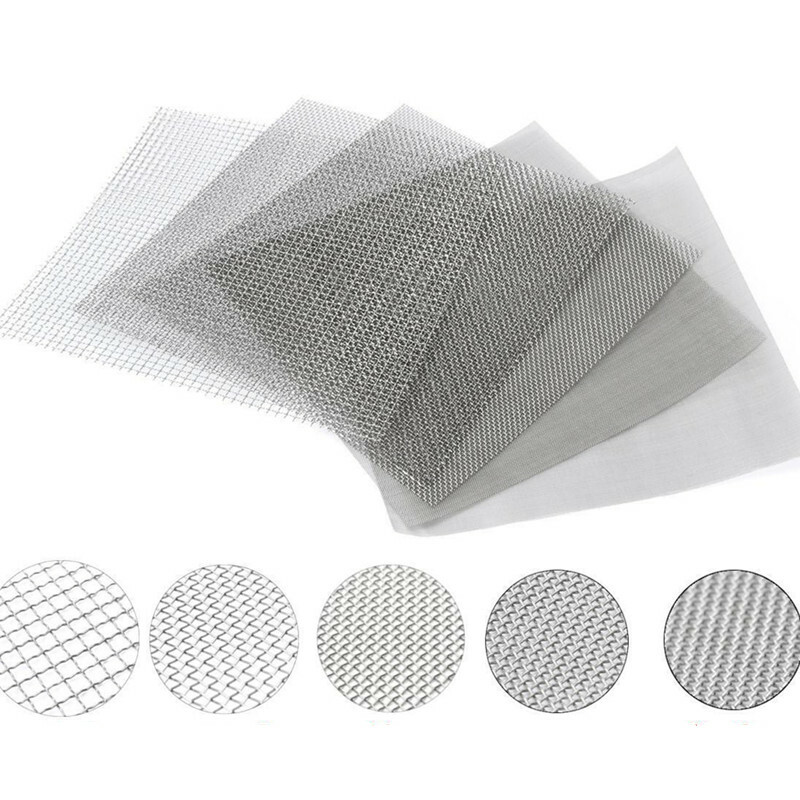
The efficiency of an industrial filter is largely determined by its "Open Area Percentage"-the ratio of the holes to the total surface area. A screen with a high open area is "good" because it allows for a high flow rate with a low pressure drop, meaning the system requires less energy to pump the fluid through the filter. However, in industrial filtration, engineers must balance this flow efficiency with the mechanical strength of the wire. For example, a "Dutch Weave" might have a lower open area but offers much higher pressure resistance than a standard "Plain Weave." Selecting the correct weave pattern is a critical step in optimizing the energy consumption of the entire industrial facility.
Surface Finishes and Biological Fouling
In many water-based industrial applications, "bio-fouling"-the growth of algae or bacteria on the screen-can quickly clog the apertures and reduce the filter's efficiency. Stainless steel screens with an electropolished finish are "good" at resisting this fouling because the smooth surface provides no "anchor points" for microorganisms to attach to. This finish also makes the screens much easier to clean during a "back-washing" cycle, where the fluid flow is reversed to push out captured particles. By reducing the rate of biological growth and improving the effectiveness of cleaning cycles, these specialized finishes extend the "run time" of the filter and reduce the labor costs associated with manual cleaning.
Material Grade vs. Environmental Resistance
| Alloy Grade | Sea Water | Mineral Acids | High Temperature | Strength |
| 304 | Poor | Fair | Moderate | High |
| 316L | Good | Moderate | High | High |
| 904L | Excellent | High | High | Moderate |
| 310S | Fair | Fair | Exceptional | Moderate |
Conclusion
Industrial filtration is a demanding field that leaves no room for material failure. The role of the stainless steel screen as a precise, durable, and chemically resistant separation tool remains unmatched by any other material. By matching the correct alloy, weave pattern, and surface finish to the specific needs of each sector-from the high-pressure fuel lines of an aircraft to the sludge-heavy tanks of a wastewater plant-engineers can ensure that their processes remain clean, efficient, and safe for the long term.
To revisit the broader overview of how these versatile components support global industries, return to our primary guide:
[What are stainless steel screens used for?]