

In the demanding landscape of modern industrial processing, "off-the-shelf" filtration solutions often fall short of meeting specific operational rigors. Custom-made wire mesh filters represent the pinnacle of fluid and gas separation technology, offering tailormade solutions that align perfectly with unique pressure, temperature, and chemical requirements. Unlike standard filters, a custom-engineered mesh component is designed from the ground up, starting with the selection of the precise alloy and extending to the complex geometry required to fit specialized machinery.
The necessity for customization arises from the infinite variables found in industrial environments. A filter destined for a deep-sea oil rig must combat different stressors than one intended for a high-temperature polymer extrusion line. By customizing the mesh count, weave style, and structural reinforcement, engineers can maximize "dirt-holding capacity" while minimizing "pressure drop." This guide explores the intricate process of designing and manufacturing custom wire mesh filters, providing a technical roadmap for those who require uncompromising precision in their filtration systems.

The Strategic Advantage of Customization
Optimizing Flow Rates and Pressure Drops
The primary goal of any filter is to remove contaminants without significantly impeding the flow of the medium. In custom-made wire mesh filters, engineers can manipulate the "open area" percentage to match the exact viscosity and flow rate of the system. Standard filters may cause a "bottleneck," leading to energy inefficiency or pump strain. A custom solution calculates the specific $Delta P$ (pressure drop) to ensure that the filtration system operates at peak efficiency, maintaining the delicate balance between high throughput and absolute particle retention.
Material Selection for Extreme Environments
Customization allows for the use of "exotic" materials that are rarely found in stock filters. While Stainless Steel 304 and 316 are common, a custom filter can be fabricated from Hastelloy for acid resistance, Inconel for extreme heat, or Monel for hydrofluoric acid applications. This material-first approach ensures that the filter does not suffer from premature corrosion or thermal fatigue, which are the leading causes of filter "blowouts" in heavy industry.
Geometric Precision for Specialized Housing
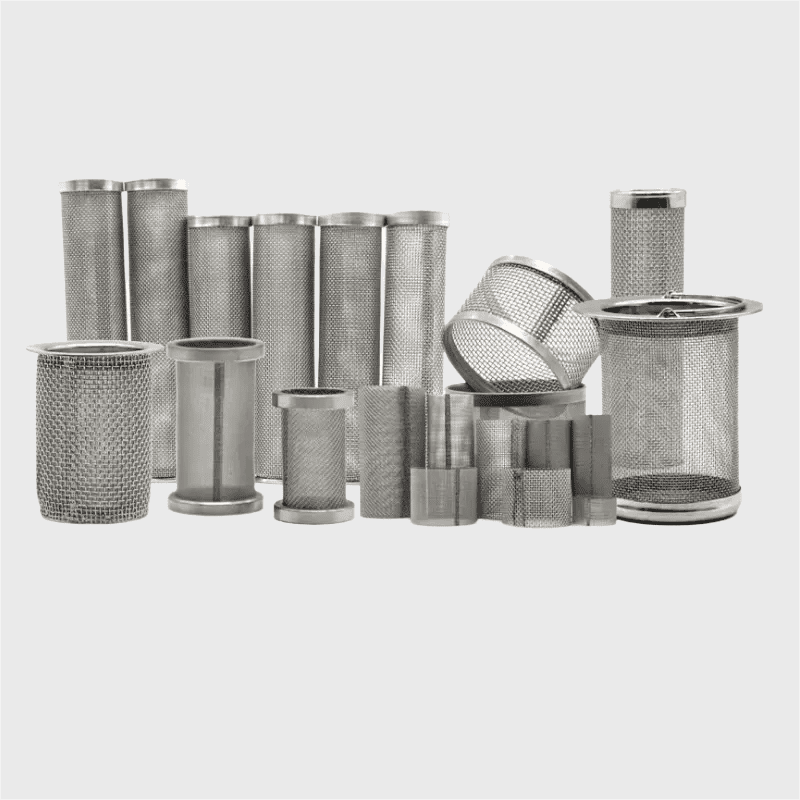
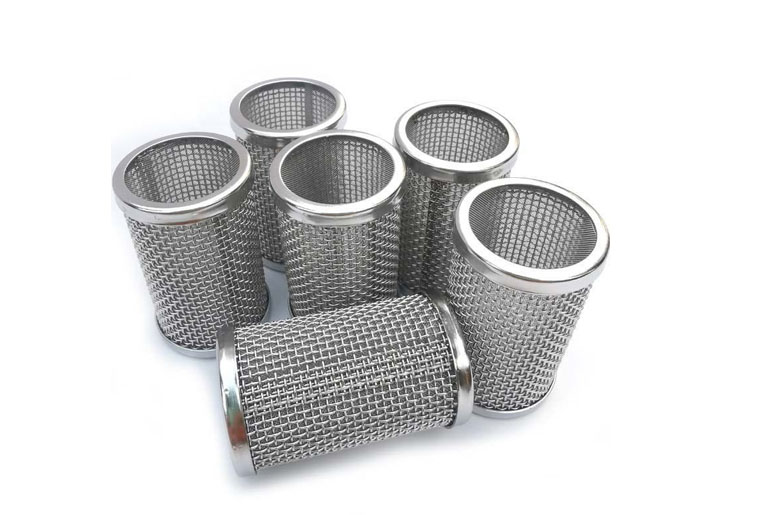
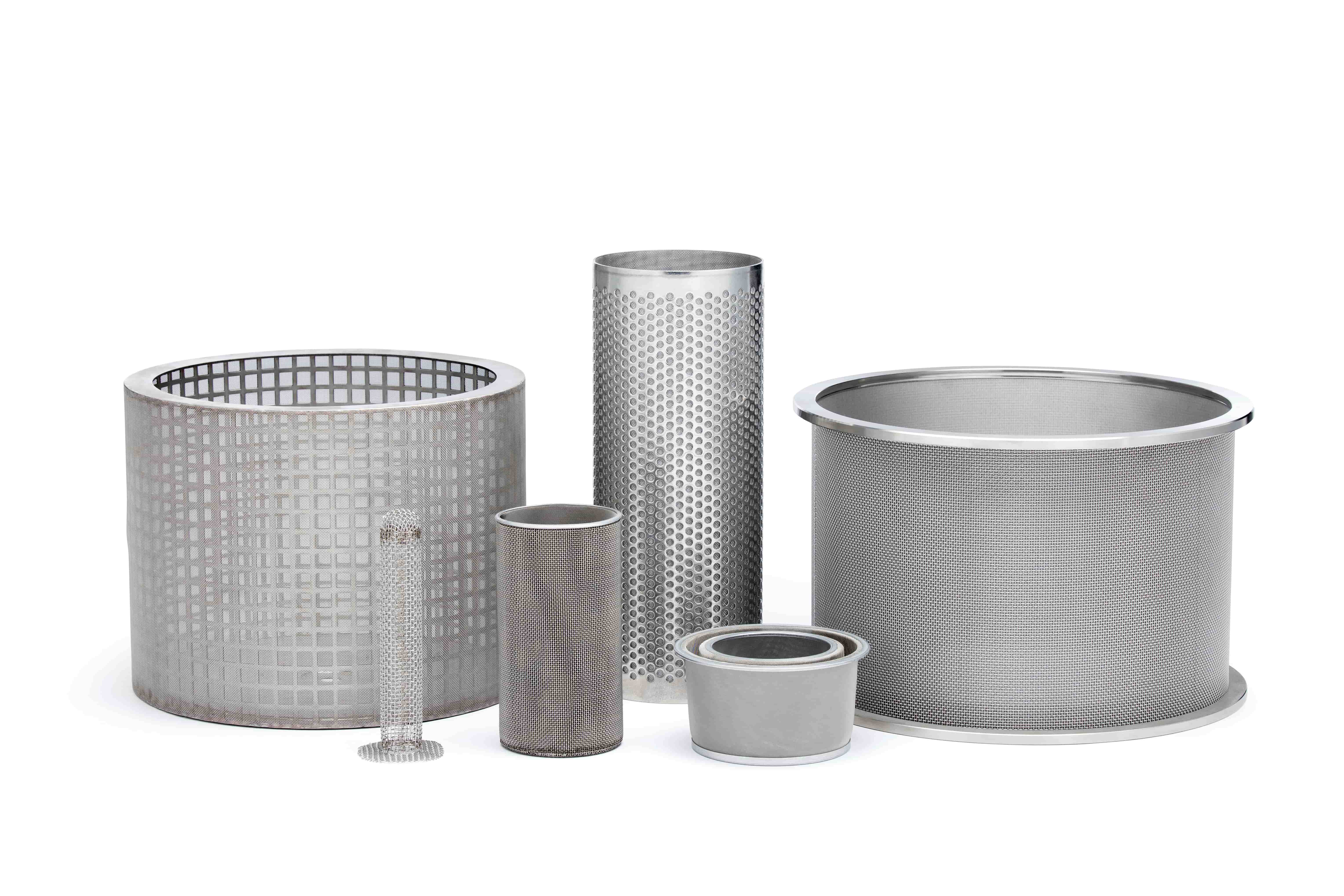
Many industrial systems utilize proprietary or legacy filter housings that do not follow standard sizing. Custom-made filters can be manufactured in any shape-from simple discs and cylinders to complex pleated cartridges and conical strainers. This ensures a perfect "seal" within the housing, preventing "bypass"-where unfiltered fluid escapes around the edges of the filter. Custom gaskets and end-caps can also be integrated during the manufacturing phase to simplify installation and replacement.
Multilayer Lamination for Structural Integrity
Standard mesh can be fragile, especially under high-pressure "backwashing" cycles. Custom filters often utilize Sintered Multilayer Mesh, where a fine filtration layer is bonded between several layers of coarser, protective mesh. This "sandwich" construction provides the micron-level accuracy of a thin mesh with the mechanical rigidity of a heavy plate. This customization allows the filter to withstand thousands of pounds of pressure without distorting the sensitive weave pattern.
Advanced Fabrication Techniques
Pleating and Folding for Surface Area Expansion
Pleating is a core technique in custom filter design used to maximize the available surface area within a compact housing. By folding the wire mesh into a series of V-shaped pleats, engineers can increase the filtration area by up to 10 times compared to a flat cylinder. This directly correlates to a longer "service life" and a lower "velocity" of the medium passing through the mesh, which reduces the risk of particle breakthrough. Custom pleat depths and counts are calculated based on the fluid's particulate load, ensuring the filter does not clog prematurely.
Sintering and Diffusion Bonding
Sintering is a high-temperature process that fuses the contact points of all wires in a multilayer mesh stack. In a vacuum furnace, the wires bond at a molecular level without melting, creating a porous metal structure that is incredibly strong. For custom filters, sintering is used to create "depth filters" that can capture particles throughout the thickness of the material, not just on the surface. This process also prevents any "media migration"-the risk of individual wires breaking off and entering the filtered stream-which is a critical requirement in pharmaceutical and food applications.
Precision Welding and Edging Standards
The integrity of a custom filter's seams is as important as the mesh itself. Techniques such as Plasma Welding, TIG Welding, and Resistance Welding are used to create leak-proof joins that can withstand the same pressures as the mesh. For fine mesh filters, specialized "hemmed" or "framed" edges are used to prevent fraying. In custom manufacturing, every weld is inspected using non-destructive methods (like dye penetrant or X-ray) to ensure there are no microscopic gaps that could allow bypass or serve as starting points for corrosion.
Custom Reinforcement and Internal Support
High-pressure applications require custom filters to be supported by internal or external "cores." These are usually perforated tubes or heavy-duty mesh cages that prevent the fine filter media from collapsing under the force of the flow. In a custom design, the thickness and hole pattern of the support core are engineered to match the expected pressure differential. By integrating the support structure directly into the filter assembly, manufacturers create a "heavy-duty" component that is easy to install and capable of surviving extreme surges in pressure.
Performance Metrics and Design Calculations
Calculating Absolute vs. Nominal Ratings
One of the most important aspects of custom filter design is defining the "Micron Rating." An Absolute Rating refers to the diameter of the largest spherical particle that can pass through the mesh under specific test conditions. A Nominal Rating is a more general figure, representing a percentage of particles retained. For custom filters, engineers typically aim for an Absolute Rating to ensure total system protection. Calculations must account for the "weave deviation" to ensure that the largest pore in the entire filter does not exceed the allowed limit.
Dirt-Holding Capacity and Service Life
Dirt-holding capacity (DHC) is the total amount of contaminant a filter can capture before the pressure drop reaches a critical level. In custom designs, DHC is optimized by selecting the right combination of mesh layers and pleat geometry. A filter with high DHC requires less frequent cleaning or replacement, which is a major factor in the "Return on Investment" (ROI) for industrial plants. Engineers use "multi-pass testing" data to predict the service life of the filter in specific real-world conditions, allowing for scheduled maintenance instead of reactive repairs.
The Impact of Weave Styles on Fluid Dynamics
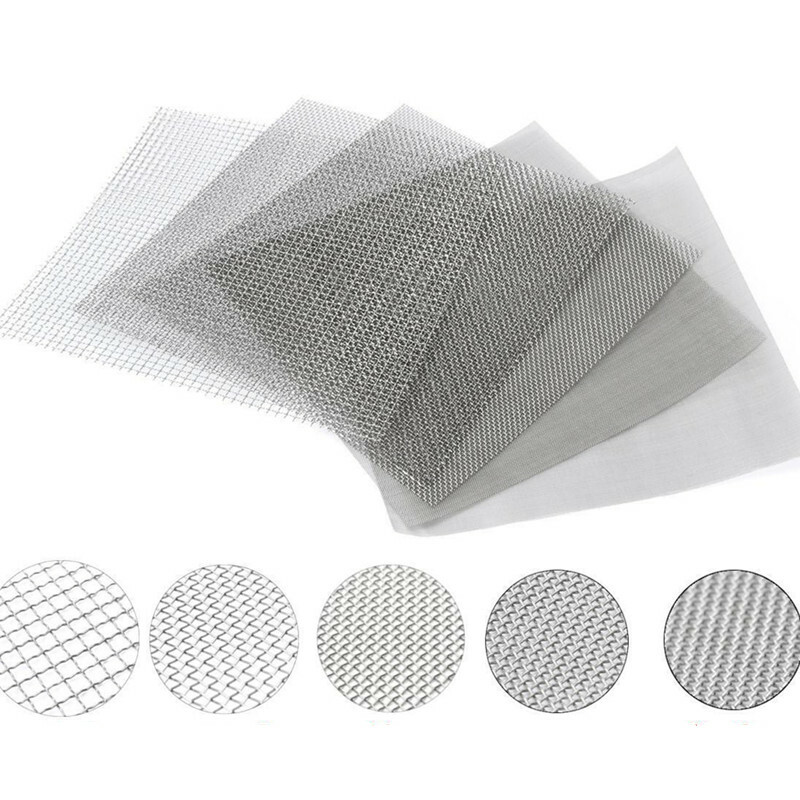
The choice of weave-Plain, Twill, or Dutch-significantly affects how fluid moves through the filter. A Plain Dutch Weave offers high strength and a very small pore size, while a Twill Dutch Weave provides an even denser structure for ultra-fine filtration. In custom filters, the "tortuosity" of the path (the complexity of the route the fluid takes) is engineered to maximize particle capture without creating excessive turbulence. This level of detail ensures that the filter does not cause "cavitation" or other fluid dynamic issues that could damage pumps or valves.
Verification Through Bubble Point Testing
To verify the integrity of a custom-made filter, the Bubble Point Test (ASTM E128) is performed. The filter is submerged in a liquid, and air pressure is applied to the inside. The pressure at which the first bubble appears allows the manufacturer to calculate the "maximum pore size." This non-destructive test confirms that the welding and assembly have not introduced any leaks and that the mesh itself is free from defects. Every custom filter should be accompanied by a test report verifying its bubble point and absolute micron rating.

Maintenance, Cleaning, and Regeneration
Ultrasonic Cleaning Protocols
One of the primary benefits of custom metal filters is their "cleanability." Ultrasonic cleaning uses high-frequency sound waves to create cavitation bubbles in a cleaning solution, which "scrub" contaminants from deep within the mesh pores. For custom filters used in oil and gas or chemical processing, this is the gold standard for regeneration. Because the filter is custom-built with high-grade alloys, it can withstand repeated ultrasonic cycles without the wire degradation that would occur with cheaper, standard materials.
Chemical Cleaning for Polymer Removal
In the polymer extrusion and plastic recycling industries, filters often become "caked" with hardened resins. Custom mesh filters are designed to be cleaned using Vacuum Pyrolysis or chemical solvent baths. These processes melt or dissolve the trapped polymers, restoring the filter's original flow characteristics. The material selection (such as 316L or Hastelloy) is critical here, as the mesh must resist the aggressive chemicals and high heats used during the cleaning process without losing its structural temper or micron accuracy.
Monitoring Pressure Differentials for Failure Prevention
To ensure the longevity of a custom filter, industrial systems use "Differential Pressure (DP) Sensors." By monitoring the difference in pressure between the inlet and outlet, operators can determine exactly when the filter is "loaded" and requires cleaning. In custom filtration systems, the "Alarm" and "Bypass" pressure points are precisely set based on the filter's burst strength calculations. This proactive monitoring prevents "filter collapse," a catastrophic event where the mesh ruptures due to excessive pressure buildup.
The ROI of Reusable Metal Mesh Filters
While the initial cost of a custom-made wire mesh filter is higher than a disposable cartridge, the Return on Investment is often achieved within the first few cleaning cycles. By eliminating the ongoing cost of purchasing, storing, and disposing of single-use filters, companies can save thousands of dollars annually. Furthermore, custom metal filters are more environmentally friendly, reducing the "waste stream" of contaminated disposable media. The "Lifecycle Value" of a high-quality custom filter can extend to 10 years or more with proper maintenance.

Comparative Performance Benchmarks
Custom Metal Mesh vs. Disposable Media
Custom metal mesh filters offer a significantly higher "Strength-to-Weight" ratio than disposable paper or felt media. Unlike paper, metal mesh does not "shed" fibers into the filtered stream, which is a critical requirement in pharmaceutical "Clean-in-Place" (CIP) systems. Furthermore, metal mesh can operate in temperatures and pressures that would instantly destroy synthetic or cellulose filters, making it the only choice for "mission-critical" industrial paths.
Custom Filter Material Performance Comparison
| Material Alloy | Max Temp (°C) | Corrosion Resistance | Typical Application | Strength Rating |
| 304 Stainless | 425 | Moderate | Food / General Industrial | High |
| 316L Stainless | 450 | High (Chlorides) | Pharmaceutical / Marine | High |
| Inconel 600 | 1100 | Excellent | Aerospace / Furnaces | Superior |
| Hastelloy C276 | 450 | Superior (Acids) | Aggressive Chemicals | High |
| Titanium | 300 | Superior (Seawater) | Desalination / Medical | Excellent |
Engineering Standards for Specialized Filtration
ISO and ASTM Compliance
Every custom-made filter must be manufactured to meet international standards. ISO 9001 ensures quality management throughout the fabrication process, while ASTM E2016 governs the specifications for industrial woven wire cloth. For the aerospace and defense sectors, even stricter standards like AS9100 may apply. Compliance ensures that the "custom" nature of the product does not mean a lack of "standardized" quality. Buyers should always demand documentation that proves the mesh and the finished filter assembly meet these global benchmarks.
FDA and USP Class VI Requirements
For filters used in the food, beverage, and medical industries, the materials must be "FDA Compliant." This means the stainless steel and any gaskets or adhesives used must be non-toxic and non-reactive. USP Class VI testing is the standard for medical-grade materials, ensuring that the filter will not cause an adverse reaction if it comes into contact with human tissue or fluids. Custom filters for these sectors are often produced in "Clean Room" environments to prevent any contamination during the assembly process.
Seismic and Vibration Resilience
In mining, oil exploration, and heavy manufacturing, filters are subjected to constant, high-frequency vibration. A custom-made filter is engineered with "vibration-resistant" joins and reinforced support structures to prevent "fatigue cracking." This is achieved through specialized welding techniques and the use of "spring-tempered" wires in the weave. By simulating these stresses during the design phase, manufacturers can ensure that the filter will not snap or loosen within its housing, even in the most violent industrial environments.
Environmental Impact and Sustainability
As global industries move toward "Green Manufacturing," the sustainability of custom filters becomes a key selling point. Because they are 100% recyclable at the end of their long life, metal mesh filters have a much smaller environmental footprint than disposable filters. Additionally, by optimizing the flow rate and reducing pressure drop, custom filters help decrease the energy consumption of the pumps and compressors in the system. Choosing a custom-made metal filter is an investment in both operational efficiency and environmental responsibility.
Custom Support and Mounting Systems
Flanged vs. Threaded Connections
The way a filter connects to the rest of the system is a vital part of its custom design. Flanged connections are used for high-pressure, large-diameter pipes where a secure, bolted seal is required. Threaded connections (NPT or BSP) are more common for smaller, high-precision filters. A custom filter can be built with any interface required to match existing plumbing, eliminating the need for expensive adapters or system modifications.
Internal Bayonet and Twist-Lock Mounts
For systems that require rapid filter changes, custom "bayonet" or "twist-lock" mounts can be integrated. These allow an operator to remove and replace a filter in seconds without the use of specialized tools. In a custom manufacturing scenario, the locking lugs and sealing surfaces are machined to tight tolerances to ensure a "zero-leak" interface every time. This is particularly valuable in the chemical industry, where minimizing the time a technician spends near the open filter housing is a safety priority.
Magnetic Inserts for Ferrous Particle Capture
An innovative customization for wire mesh filters is the inclusion of "Magnetic Inserts." By placing high-strength neodymium magnets within the center of a mesh cylinder, the filter can capture sub-micron ferrous particles that might otherwise pass through the mesh. This "hybrid" filtration approach is increasingly popular in engine lubricant systems and metal-working fluid recovery, providing two layers of protection (mechanical and magnetic) in a single custom component.
Integrated Differential Pressure Taps
To simplify system monitoring, custom filters can be built with integrated "Pressure Taps" directly on the end-caps or housing. This allows the user to plug in their gauges or sensors without having to modify the main pipeline. By having the measurement point as close to the mesh surface as possible, the readings are more accurate, allowing for a more precise understanding of the filter's "loading" state and helping to prevent unnecessary cleaning cycles.

Analyzing the Lifecycle Cost of Custom Filtration
Initial Capital Expenditure (CAPEX) vs. OPEX
The primary hurdle for custom filters is the higher CAPEX (initial cost). However, when viewed through the lens of OPEX (operating expenses), the custom filter is almost always the winner. When you add up the costs of purchasing 100 disposable filters, the labor to change them 100 times, and the cost of disposing of 100 contaminated cartridges, the single custom metal filter pays for itself very quickly. Financial managers are increasingly looking at "Total Lifecycle Cost" rather than "Unit Price" when approving filtration upgrades.
Reduction in Unscheduled Downtime
The most significant hidden cost in any industrial plant is "Unscheduled Downtime." If a standard filter fails or clogs unexpectedly, the entire production line stops. Custom filters are engineered with higher safety factors and predictable performance curves, significantly reducing the risk of "surprise" failures. The reliability of a custom-engineered component provides "insurance" against the massive financial losses associated with a plant-wide shutdown caused by a $500 filter component failing.
Energy Efficiency and Pump Longevity
A filter with a high pressure drop forces the system's pumps to work harder, consuming more electricity and increasing internal wear. By using a custom mesh with an optimized "open area," the pump can operate at a lower power setting. Over a year of continuous operation, the energy savings alone can often cover the cost difference between a standard and a custom filter. Furthermore, the reduced load on the pump extends its service life, preventing expensive pump rebuilds or replacements.
Future-Proofing with Modular Designs
Custom manufacturing allows for "Modular" designs, where the internal mesh element can be upgraded without changing the entire filter housing. If a plant changes its process and requires a finer micron rating in the future, they can simply order a new custom mesh insert that fits their existing housing. This "future-proofs" the filtration infrastructure, allowing the company to adapt to new quality standards or environmental regulations without a total system overhaul.
Custom-made wire mesh filters are the silent sentinels of industrial reliability. By tailoring every aspect of the filter-from the molecular alloy and weave style to the macro-geometry and mounting system-engineers can ensure that their processes remain clean, efficient, and safe. In a world where operational downtime can cost millions and precision is a competitive advantage, the "custom" approach to filtration is not a luxury; it is a fundamental pillar of modern industrial engineering.
Design Factors for Custom Mesh Filters
| Design Factor | Specification Options | Impact on Performance |
| Mesh Layering | Single, Sintered, Pleated | Structural Strength / Surface Area |
| Sealing Method | Epoxy, Weld, Gasket | Prevention of Fluid Bypass |
| Weave Pattern | Plain, Twill, Dutch | Micron Rating vs. Flow Rate |
| Surface Finish | Passivated, Electropolished | Ease of Cleaning / Bio-resistance |
| Support Core | Perforated, Expanded, Heavy Mesh | Burst and Collapse Pressure |
Conclusion
In summary, the transition from standard filtration components to custom-made wire mesh filters represents a strategic investment in industrial precision and operational longevity. As we have explored, the true value of a custom filter lies in its perfect alignment with the specific thermal, chemical, and mechanical rigors of its environment. By meticulously selecting specialized alloys like Inconel or Hastelloy and employing advanced fabrication techniques such as vacuum sintering and pleating, engineers can create a component that goes beyond simple particle retention. These filters act as the heart of a high-performance system, optimizing fluid dynamics to minimize energy loss while providing a robust, non-fiber-shedding barrier that ensures the absolute purity of the final product.
Ultimately, the lifecycle benefits of custom mesh filters far outweigh their initial capital expenditure. The ability to regenerate these components through ultrasonic or chemical cleaning not only reduces the recurring costs of disposable media but also aligns with global sustainability goals by minimizing industrial waste. Furthermore, the enhanced structural integrity of custom-engineered support cores and precision-welded seams provides a critical layer of insurance against unscheduled downtime and catastrophic system failures. In an era where manufacturing efficiency and product consistency are paramount, the custom-made wire mesh filter stands as an indispensable tool, proving that when engineering parameters are unique, a tailor-made solution is the only path to uncompromising reliability.