






In the world of commercial and residential ventilation, the debate between baffle filters and mesh filters is fundamental to maintaining a safe and efficient kitchen environment. Both types of filters are designed to capture grease, smoke, and steam before they enter the ductwork, but they achieve this through entirely different physical principles. Choosing the right filter is not merely a matter of preference; it affects the fire safety, maintenance labor, and air quality of the building. This comprehensive comparison explores the mechanical designs, operational efficiencies, and long-term costs associated with each filter type, providing the technical clarity needed to make an informed decision for any ventilation system.

Mechanical Design and Operational Principles
The Centrifugal Logic of Baffle Filters
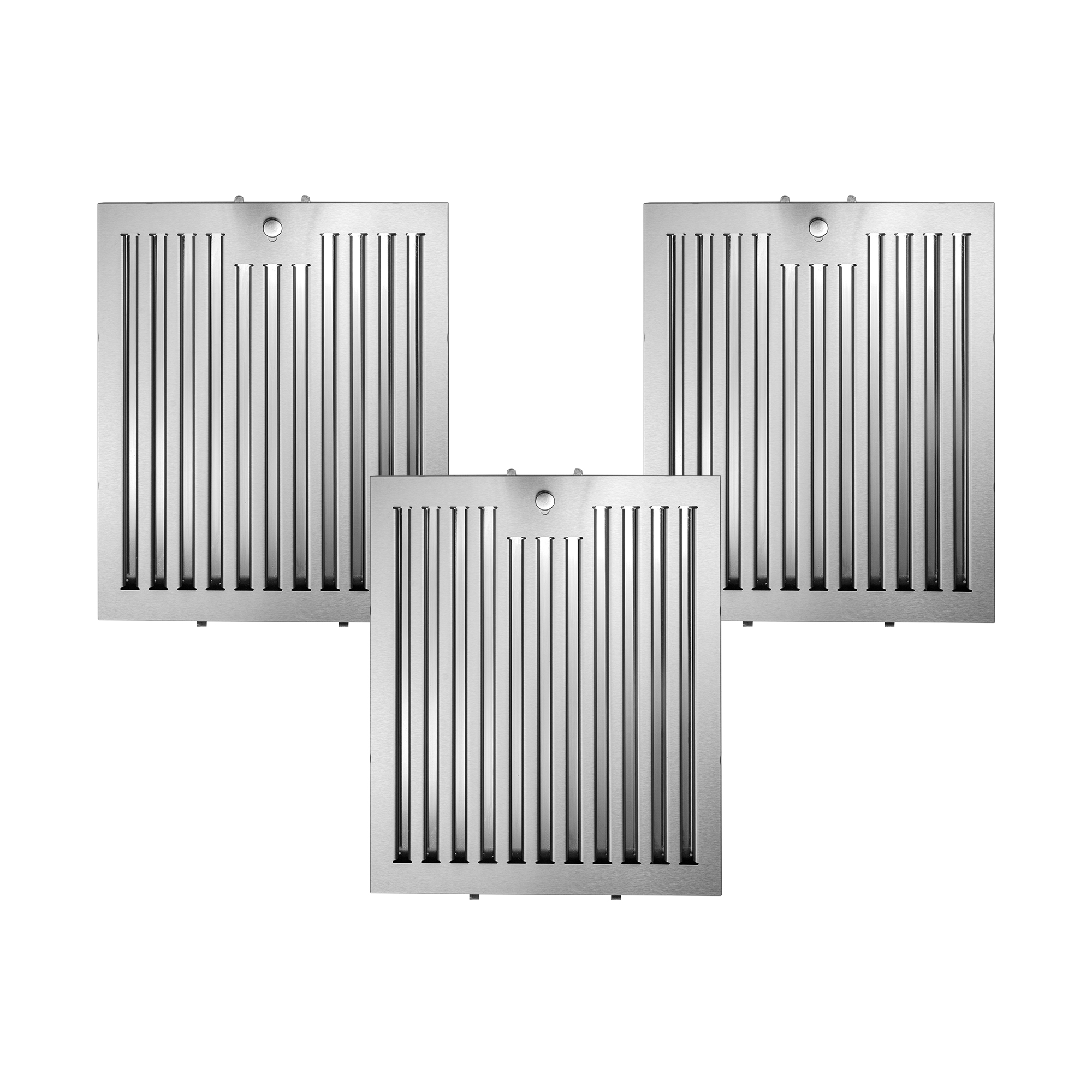
Baffle filters are characterized by their distinct "S-shape" or "U-shape" interlocking vanes. The primary design goal of a baffle filter is to force grease-laden air to change direction rapidly as it passes through the filter. As the air hits the baffles, the heavier grease particles cannot make the sharp turns and are flung out of the air stream by centrifugal force. These particles then collect on the metal surface and drain into a collection trough. This design is "good" because it ensures that the airflow remains relatively unobstructed even as grease accumulates. By using the inertia of the grease itself, baffle filters provide a consistent level of extraction that does not diminish over a single cooking shift.
The Entrapment Logic of Mesh Filters
Mesh filters consist of multiple layers of woven or expanded stainless steel mesh stacked together. Unlike the aerodynamic turns of a baffle filter, mesh filters work through simple entrapment. As the air passes through the dense layers of wire, the grease particles stick to the massive surface area provided by the thousands of overlapping wires. This design is "good" at capturing very fine grease particles that might pass through the wider gaps of a baffle filter. However, because the grease is stored within the mesh itself rather than draining away, the "open area" of the filter gradually decreases during use. This makes them highly effective for light-duty applications but requires more frequent monitoring to prevent airflow restriction.
Airflow Velocity and Static Resistance
The physics of airflow differs significantly between these two types. Baffle filters generally have a higher initial resistance to air because of the solid metal vanes, but this resistance stays very stable throughout the day. Mesh filters, on the other hand, start with very low resistance because they are mostly open space. However, as soon as cooking begins, the grease fills the gaps in the mesh, causing the resistance to rise quickly. This rise in resistance forces the ventilation fan to work harder, which can increase energy consumption. For high-volume kitchens, the stability of the baffle filter is usually preferred to ensure the exhaust system performs at its rated capacity without constant adjustment.
Material Durability and Construction Quality
Both baffle and mesh filters are typically made from stainless steel to resist the corrosive effects of heat and moisture. Baffle filters are often perceived as more "good" in terms of durability because they are made from thicker, solid sheets of metal. They are virtually indestructible and can withstand the heavy-duty handling common in commercial dishwashers. Mesh filters are lighter and more delicate; if they are handled roughly, the fine wires can break or the layers can separate. While high-quality stainless steel mesh is very resilient, the overall lifespan of a baffle filter generally exceeds that of a mesh filter by several years, making it a "permanent" solution for most kitchen hoods.
Grease Extraction Efficiency and Fire Safety
Managing High-Volume Grease Loads
Commercial kitchens that produce a lot of grease-such as those with charbroilers or fryers-require a filter that can handle a constant "loading" of oil. Baffle filters are "good" for these environments because they are designed to be self-draining. The grease moves along the slanted baffles and drops into a collection cup, meaning the filter never becomes "saturated." Mesh filters are more prone to "grease loading," where the filter becomes so heavy with oil that it can no longer capture new particles. Once a mesh filter is saturated, grease may begin to drip back onto the cooking surface, which is both a sanitation risk and a significant fire hazard.
Flame Barrier Performance
One of the most critical roles of a hood filter is to act as a flame barrier. In the event of a flare-up on the stove, the filter must prevent flames from entering the grease-laden ductwork. Baffle filters are "good" flame arrestors because their solid metal construction is thick enough to cool and extinguish flames as they attempt to pass through the winding path. Many baffle filters are UL-listed specifically for their fire-retardant properties. Mesh filters are less effective in this regard; because they are composed of many thin wires and have a large surface area of trapped oil, they can actually ignite if the flame is intense enough. This is why many local fire codes mandate the use of baffle filters in commercial cooking operations.
Smoke and Odor Mitigation
While both filters are designed for grease, their ability to handle smoke varies. Baffle filters are primarily effective at removing larger grease droplets (above 10 microns). Because smoke consists of much smaller particles, a baffle filter alone may allow some smoke to pass through. Mesh filters are "good" at catching smaller smoke particles because of the "tortuous path" created by the fine wires. In environments where smoke and odor control are the primary concerns-such as open kitchens in residential apartments-a mesh filter or a combination of both types may be used to ensure the air is as clean as possible before it is exhausted outside.
Compliance with National Fire Codes
Compliance with fire safety standards, such as NFPA 96, is a mandatory requirement for any professional kitchen. These codes generally favor the use of baffle filters because of their proven ability to act as a fire stop and their superior grease-draining capabilities. Mesh filters are often relegated to light-duty use or residential settings where the volume of grease is much lower. Using a filter that is not compliant with local fire codes can result in the loss of insurance coverage or heavy fines. Therefore, the "safety" aspect of the baffle filter often makes it the default choice for restaurant owners who want to protect their investment from the risk of a duct fire.
While we have outlined the basic differences here, the specific certifications for fire-rated filters are quite rigorous. For a professional analysis of the regulatory standards governing kitchen ventilation, see our guide on:
[Fire Safety Standards for Hood Filters: Baffle vs Mesh]
:max_bytes(150000):strip_icc()/how-to-clean-a-kitchen-range-hood-4177784-07-6f1df03bf4824f1288d0c64f584ffa46.jpg "info-1-1")
Maintenance, Cleaning, and Sanitation
Cleaning Procedures for Baffle Filters
Baffle filters are designed with ease of cleaning in mind. Because they are made of smooth, solid stainless steel plates, they do not have the tiny crevices where grease can hide. They are "good" for high-volume kitchens because they can be popped out and run through a standard commercial dishwasher or soaked in a degreasing tank. The grease easily slides off the smooth metal. There is no risk of damaging the filter during the cleaning process, even with high-pressure water or strong detergents. This simplicity in maintenance encourages kitchen staff to clean the filters more regularly, which keeps the entire ventilation system running efficiently.
The Challenge of Deep-Cleaning Mesh Filters
Cleaning a mesh filter is a much more labor-intensive task. Because the grease is trapped deep within the layers of wire, simply running it through a dishwasher is often not enough to remove all the buildup. Over time, the center of the mesh can become "caked" with old, hardened grease that is impossible to reach. This makes mesh filters "good" only if they are cleaned very frequently-often daily in a professional setting. If neglected, they can become a breeding ground for bacteria and mold. Furthermore, the thin wires of the mesh are susceptible to "chemical attack" if soaked in overly aggressive caustic cleaners, which can eventually lead to the wires becoming brittle and breaking.
Sanitation and Bacterial Control
In terms of food safety and sanitation, the baffle filter has a clear advantage. Its open design allows for visual inspection; you can clearly see if the filter is clean or if it needs maintenance. Mesh filters can look clean on the outside while being heavily contaminated on the inside. This "hidden" grease can go rancid, creating unpleasant odors in the kitchen. Baffle filters are "good" at maintaining a hygienic environment because they do not hold onto water or organic matter. After washing, they dry quickly, preventing the moisture buildup that can lead to microbial growth. For kitchens that prioritize "clean-room" levels of hygiene, the baffle filter is the superior choice.
Impact of Maintenance on Fan Lifespan
Regular maintenance of hood filters is not just about the filters themselves; it is about protecting the exhaust fan. A dirty mesh filter creates high static pressure, which causes the fan motor to overheat and wear out prematurely. Baffle filters are "good" because even when they are "dirty," they do not significantly increase the load on the fan. By ensuring a steady, predictable airflow, baffle filters extend the life of the entire HVAC system. We analyze why the higher upfront cost of a baffle filter is often offset by the reduced repair costs for the ventilation fans and the lower labor costs associated with cleaning.
Operational Costs and Energy Efficiency
Upfront Cost vs. Long-Term Investment
When comparing the two types, mesh filters are almost always the cheaper option initially. This makes them "good" for residential projects or small cafes with a limited startup budget. However, a baffle filter is a one-time purchase that can last as long as the hood itself. Mesh filters often need to be replaced every 12 to 18 months because they become clogged beyond repair or the frame becomes warped from heat. When you factor in the replacement costs over five years, the baffle filter is significantly more economical. This section explains the "total cost of ownership" and why professional contractors rarely recommend mesh filters for anything other than the lightest cooking duties.
Cost and Durability Comparison
| Feature | Baffle Filter | Mesh Filter | Economic Impact |
| Initial Purchase Price | High | Low | Mesh is cheaper for startups |
| Service Life | 5-10+ Years | 1-2 Years | Baffle is a better investment |
| Replacement Frequency | Rare | Common | Baffle reduces waste |
| Cleaning Labor | Low (Dishwasher safe) | High (Needs soaking) | Baffle reduces labor costs |
Energy Consumption of the Ventilation System
The energy efficiency of a kitchen is directly tied to the "Static Pressure" created by the filters. Because mesh filters can become restricted so easily, they often force the exhaust system to run at a higher power setting to pull the same amount of air. This increased energy usage can add hundreds of dollars to a restaurant's annual utility bill. Baffle filters are "good" for energy-conscious owners because they maintain a high "Open Area" regardless of the grease load. This allows the fan to run at its optimal, most efficient speed, saving energy and reducing the noise levels in the kitchen, which creates a better working environment for the staff.
Environmental Impact and Sustainability
Sustainability is an increasingly important factor in equipment selection. Baffle filters are a "green" choice because they are 100% recyclable and do not need to be thrown away and replaced. The constant disposal of greasy mesh filters contributes to landfill waste. Furthermore, because baffle filters are easier to clean, they often require fewer harsh chemicals to maintain. This section explores the "environmental footprint" of both filter types, highlighting how the durability of stainless steel baffle filters aligns with modern goals of reducing industrial waste and promoting long-term product reuse in the hospitality sector.
Operational costs are not just about the filters; they are about the energy used by the fan motors. For a deeper look at the fluid dynamics of ventilation, see our article:
[Airflow Efficiency in Kitchen Hoods: Mesh vs Baffle Pressure Analysis]
Specific Applications: Where to Use Which Filter
Best Use Cases for Baffle Filters
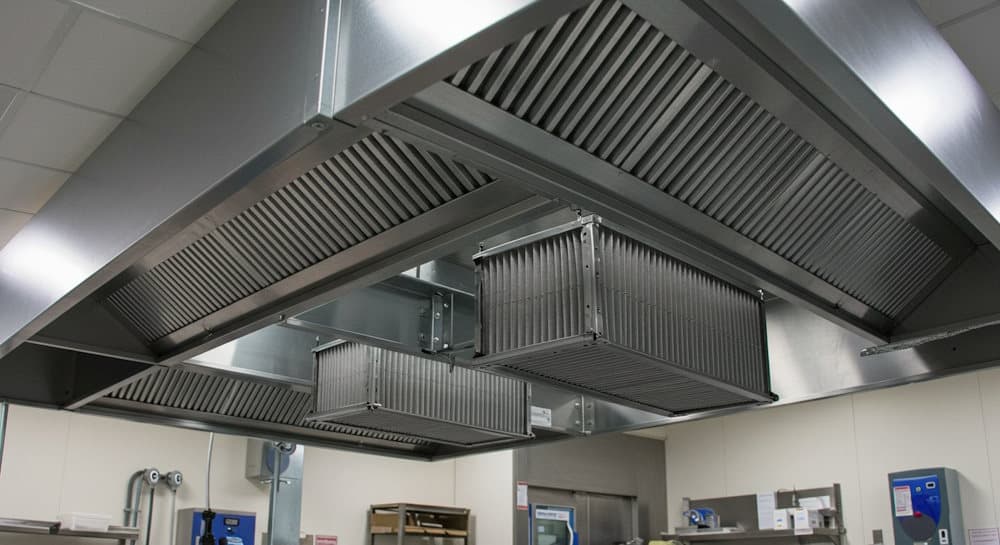
Baffle filters are the industry standard for commercial kitchens, including restaurants, hotels, and school cafeterias. They are "good" for any application where grease production is high and fire safety is a priority. If your kitchen uses heavy frying, charbroiling, or wok cooking, a baffle filter is the only safe and practical option. They are also preferred in high-volume settings where maintenance must be streamlined and predictable. The robust construction ensures that they can handle the "round-the-clock" operation of a busy kitchen without needing constant attention, allowing the chefs to focus on food production rather than equipment failure.

Best Use Cases for Mesh Filters
Mesh filters are most commonly found in residential range hoods and light-duty commercial settings like sandwich shops or small cafes that do not perform heavy frying. They are "good" for these environments because they are compact, lightweight, and very effective at capturing the fine steam and light grease produced by domestic cooking. In some high-end residential hoods, multiple layers of fine mesh are used to provide maximum air filtration in a very slim profile. However, they should never be used as a primary filter for heavy grease production, as they will clog almost immediately and create a fire risk that most commercial insurance policies will not cover.
Filter Selection by Cooking Intensity
| Cooking Type | Recommended Filter | Reason | Risk Level |
| Heavy Frying / Charbroiling | Baffle Filter | Self-draining, fire barrier | High |
| Standard Grilling / Sautéing | Baffle Filter | Consistent airflow | Moderate |
| Light Steaming / Sandwiches | Mesh Filter | Captures fine mist | Low |
| Residential Domestic Use | Mesh Filter | Compact, effective for light oil | Very Low |
Hybrid Filtration Systems
In some advanced ventilation systems, a hybrid approach is used to get the benefits of both types. A heavy-duty baffle filter acts as the "primary" filter to catch the bulk of the grease and act as a flame barrier, while a secondary mesh filter or carbon filter is placed behind it to capture remaining smoke and odors. This is "good" for urban restaurants where the exhaust air must be extremely clean before it is released near other buildings. This dual-stage approach ensures maximum safety while providing the highest possible air quality. Understanding when to combine these technologies is a hallmark of professional HVAC design, ensuring the system meets both fire codes and environmental regulations.
Installation and Aesthetic Considerations
Ease of Installation and Replacement
Both baffle and mesh filters are designed to fit into standard hood channels, making them easy to install and swap out. However, baffle filters are generally heavier and require a more secure mounting system. They are "good" because they often include built-in handles that make it easy for staff to remove them for cleaning. Mesh filters are very light and can sometimes "rattle" in the hood if the air velocity is high. When upgrading from mesh to baffle filters, it is important to ensure the hood dimensions are exact, as baffle filters are less "forgiving" of fitment issues than the flexible frames of mesh filters.
Visual Appeal and Professional Appearance
In "open" or "display" kitchens where the customers can see the cooking area, the look of the equipment matters. Stainless steel baffle filters have a clean, industrial, and professional appearance that suggests a high-quality operation. They reflect light well and give the kitchen a modern, high-tech feel. Mesh filters can quickly become discolored and "dirty-looking" as grease builds up in the wires, which can be off-putting to customers. This section discusses why many modern kitchen designs prioritize the "polished" look of baffle filters to reinforce the brand's commitment to cleanliness and professional-grade equipment.
Noise Levels and Acoustic Performance
Noise is a common complaint in commercial kitchens, and the type of filter used can impact the "sound profile" of the hood. Because of their solid construction, baffle filters can sometimes create a "whistling" or "rushing" sound if the air velocity is too high. Mesh filters tend to be quieter because the air is broken up into many tiny streams as it passes through the wires. However, as mesh filters clog, the noise of the fan motor often increases significantly. This section explains how to balance the need for quiet operation with the need for safety, helping owners create a kitchen that is both safe and comfortable for the staff and diners.
Custom Sizes and Specialized Designs
While most filters come in standard sizes, many custom kitchen hoods require specialized filter dimensions. Baffle filters are "good" for customization because they can be fabricated to exact specifications from sheet metal. Mesh filters are also available in custom sizes, but the process of stretching and framing the mesh is often more limited in terms of large-scale structural integrity. We analyze why professional kitchen designers prefer the flexibility of baffle filters when dealing with unique architectural challenges, ensuring that every inch of the hood is protected by an efficient grease extraction system.
Beyond the kitchen, the technology used in mesh filters has vast industrial applications. To see how these principles apply to heavy manufacturing, read:
[Industrial Applications of Stainless Steel Mesh Filters]
Conclusion
In summary, the choice between baffle and mesh filters depends entirely on the intensity of the cooking environment and the priority placed on fire safety. Baffle filters are the clear winner for commercial settings due to their self-draining design, fire-retardant properties, and long-term durability. While mesh filters offer an affordable and effective solution for residential use, they lack the structural resilience needed for high-volume grease extraction.
Ultimately, investing in high-quality stainless steel baffle filters is a decision that pays off through lower maintenance costs, improved energy efficiency, and a safer kitchen. By understanding the mechanical principles behind each type, building owners and kitchen managers can ensure their ventilation systems are optimized for both performance and safety for years to come.