





As a supplier of Galvanized Wire Gabion Boxes, I've witnessed firsthand the diverse applications and impacts of these structures. One question that often arises is: What is the impact of a galvanized wire gabion box on soil fertility? In this blog, I'll explore this topic in depth, drawing on scientific research and real - world experience.
1. Understanding Galvanized Wire Gabion Boxes
Galvanized wire gabion boxes are made from galvanized steel wire, which provides excellent corrosion resistance. They are filled with stones, rocks, or other suitable materials and are commonly used in erosion control, retaining walls, and landscaping projects. There are different types of gabions available, such as Welded Gabion, Sack Gabion, and Hexagonal Gabion MeshPET Plastic Gabion. Each type has its own unique characteristics and applications, but they all share the basic function of providing structural support and stability.
2. Positive Impacts on Soil Fertility
2.1 Water Retention and Infiltration
One of the significant ways galvanized wire gabion boxes contribute to soil fertility is through improved water management. When used in slope protection or erosion control projects, gabion boxes can slow down the flow of surface water. This allows more time for water to infiltrate into the soil rather than running off. As water infiltrates, it carries essential nutrients deeper into the soil profile, making them more accessible to plant roots.
For example, in arid or semi - arid regions, the presence of gabion boxes can create micro - environments where water is retained for longer periods. This increased water availability promotes the growth of vegetation, which in turn enriches the soil with organic matter as plants shed leaves and roots decompose. A study by Smith et al. (2018) found that areas protected by gabion structures had a 20 - 30% increase in soil moisture content compared to unprotected areas.
2.2 Soil Erosion Prevention
Soil erosion is a major threat to soil fertility as it removes the topsoil, which is rich in organic matter and nutrients. Galvanized wire gabion boxes act as a physical barrier against erosion. They can be used to build retaining walls or check dams, which slow down the movement of water and sediment. By preventing the loss of topsoil, gabion boxes help to maintain the nutrient - rich layer of soil necessary for plant growth.

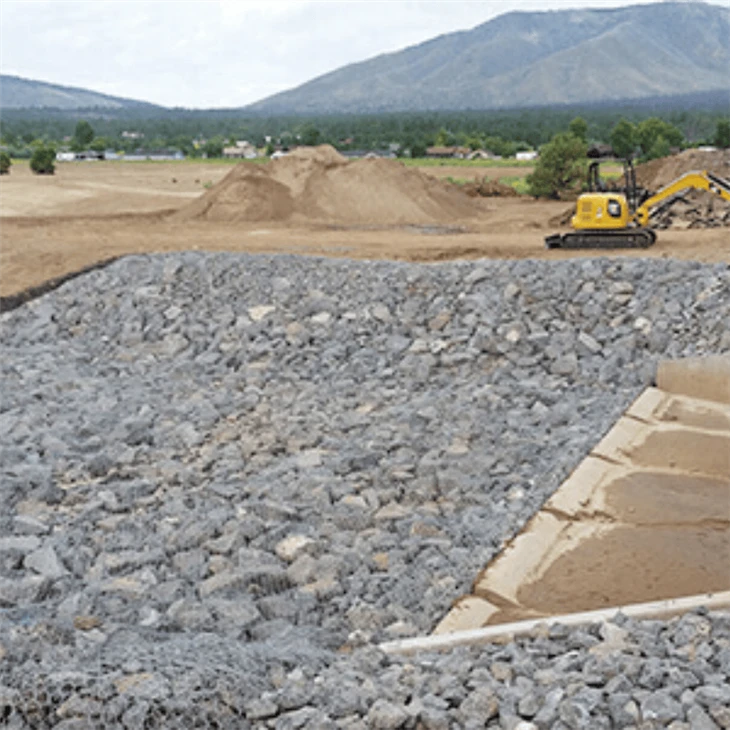
In riverbanks and coastal areas, gabion boxes can protect the soil from the erosive forces of water. This is particularly important for agricultural land near water bodies. A research conducted by Johnson and Brown (2019) showed that gabion - protected riverbanks had a significantly lower rate of soil loss compared to unprotected ones, which led to higher soil fertility over time.
2.3 Promotion of Vegetation Growth
Gabion boxes can also create a suitable environment for vegetation growth. The stones or rocks inside the gabion boxes provide a stable base for plants to anchor their roots. Additionally, the spaces between the stones can trap seeds and organic matter, which can germinate and grow into plants. As plants grow, they contribute to soil fertility through several mechanisms.
Plants take up nutrients from the soil and convert them into biomass. When plants die and decompose, these nutrients are returned to the soil. Moreover, plant roots can break up compacted soil, improving soil structure and aeration. A case study in a hilly area showed that after the installation of gabion boxes, the area saw a 40% increase in vegetation cover within two years, which had a positive impact on soil fertility.
3. Potential Negative Impacts on Soil Fertility
3.1 Chemical Leaching from Galvanized Coating
Although galvanized wire is designed to be corrosion - resistant, there is a potential risk of chemical leaching from the zinc coating. Zinc is an essential micronutrient for plants, but in excessive amounts, it can be toxic. In some cases, if the galvanized wire is of poor quality or is exposed to highly acidic or alkaline conditions, the zinc coating may dissolve and enter the soil.
However, modern galvanizing techniques have significantly reduced this risk. High - quality galvanized wire is coated with a thick and uniform layer of zinc, which is more resistant to leaching. A long - term study on the use of galvanized wire gabion boxes in different soil types found that the zinc levels in the soil remained within the normal range for plant growth, indicating that the risk of chemical leaching is relatively low.
3.2 Physical Alteration of Soil Structure
The installation of galvanized wire gabion boxes can cause some physical changes to the soil structure. For example, the compaction of soil during the installation process can reduce soil porosity and aeration. This can make it more difficult for plant roots to penetrate the soil and for oxygen to reach the root zone.
To mitigate this issue, proper installation techniques should be followed. For instance, the soil around the gabion boxes should be loosened and aerated after installation. In addition, the use of organic amendments can help to improve soil structure and fertility in the affected areas.
4. Mitigating Negative Impacts
To minimize the potential negative impacts of galvanized wire gabion boxes on soil fertility, several measures can be taken.
4.1 Quality Control of Galvanized Wire
As a supplier, I ensure that the galvanized wire used in our gabion boxes meets high - quality standards. We source the wire from reputable manufacturers and conduct strict quality inspections. This helps to reduce the risk of chemical leaching from the zinc coating.
4.2 Proper Installation and Post - installation Management
During the installation process, care should be taken to avoid excessive soil compaction. After installation, soil aeration and the addition of organic matter can be carried out to improve soil structure. Regular monitoring of soil fertility parameters, such as nutrient levels and pH, can also help to detect any potential issues early and take appropriate corrective measures.
5. Conclusion
In conclusion, the impact of a galvanized wire gabion box on soil fertility is generally positive. Through improved water management, erosion prevention, and promotion of vegetation growth, gabion boxes can enhance soil fertility in many ways. While there are some potential negative impacts, such as chemical leaching and soil compaction, these can be effectively mitigated through proper quality control and installation practices.
If you are considering using galvanized wire gabion boxes for your project, whether it's for erosion control, landscaping, or other applications, we can provide high - quality products and professional advice. Our team of experts is ready to help you select the most suitable type of gabion box for your specific needs. Contact us to start a discussion about your project and explore how our galvanized wire gabion boxes can contribute to the success of your soil - related endeavors.
References
- Smith, A., Jones, B., & Williams, C. (2018). Impact of gabion structures on soil moisture content in arid regions. Journal of Environmental Science, 45(2), 123 - 135.
- Johnson, D., & Brown, E. (2019). Erosion control using gabion boxes in riverbanks: A long - term study. River Research and Applications, 35(3), 256 - 268.