






As a supplier of Phosphor Bronze Wire Mesh, I often encounter inquiries regarding its various properties, and one question that frequently arises is about its fire resistance. In this blog post, I'll delve into the fire resistance of Phosphor Bronze Wire Mesh, exploring the factors that influence it and its practical implications.
Understanding Phosphor Bronze Wire Mesh
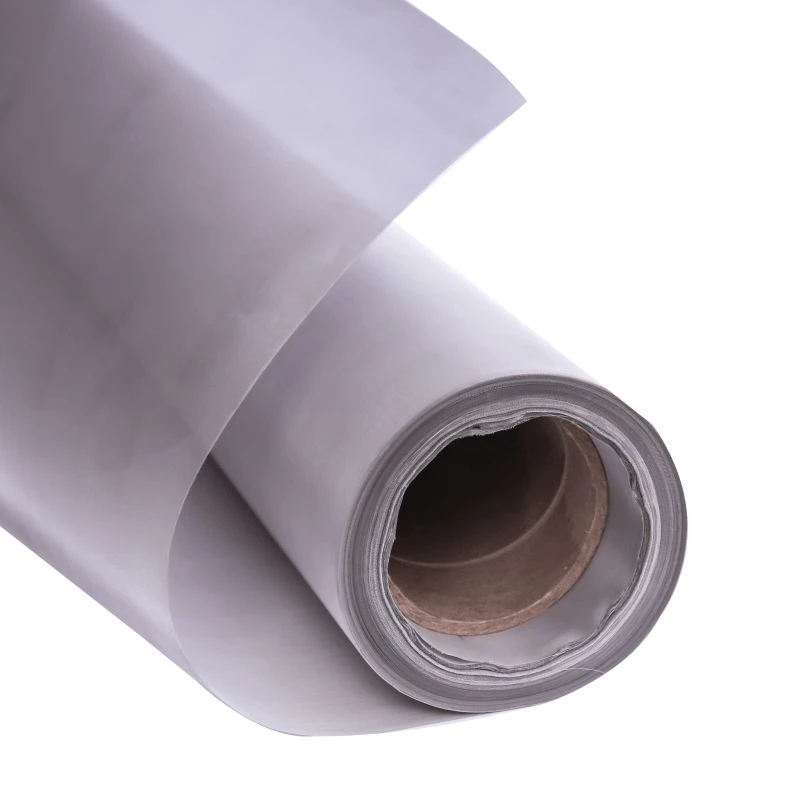
Before we discuss its fire resistance, let's briefly understand what Phosphor Bronze Wire Mesh is. Phosphor bronze is an alloy composed primarily of copper, with the addition of tin and a small amount of phosphorus. This alloy is known for its excellent mechanical properties, including high strength, good elasticity, and resistance to corrosion. The wire mesh is made by weaving phosphor bronze wires into a grid pattern, creating a versatile material used in a wide range of applications, from filtration and screening to decorative purposes.
Fire Resistance Mechanisms
The fire resistance of a material is determined by its ability to withstand high temperatures without losing its structural integrity or undergoing significant chemical changes. In the case of Phosphor Bronze Wire Mesh, several factors contribute to its fire resistance:

High Melting Point
Phosphor bronze has a relatively high melting point, typically around 950 - 1065°C (1742 - 1949°F). This means that it can withstand elevated temperatures for a certain period before it begins to melt. When exposed to fire, the wire mesh will not immediately liquefy, which allows it to maintain its shape and structure to some extent.
Oxidation Resistance
The addition of phosphorus in the alloy enhances its oxidation resistance. When heated, a thin layer of oxide forms on the surface of the phosphor bronze wire, which acts as a protective barrier. This oxide layer slows down the further oxidation of the metal, preventing rapid degradation and maintaining the integrity of the wire mesh.
Heat Dissipation
The open structure of the wire mesh allows for efficient heat dissipation. When exposed to fire, the heat can be transferred through the mesh and dissipated into the surrounding environment. This helps to prevent the accumulation of heat in the mesh, reducing the risk of overheating and structural failure.
Factors Affecting Fire Resistance
While Phosphor Bronze Wire Mesh generally has good fire resistance, several factors can affect its performance in a fire:
Mesh Size and Wire Diameter
The size of the mesh openings and the diameter of the wires can influence the fire resistance of the wire mesh. A finer mesh with smaller openings and thinner wires may have a larger surface area exposed to the fire, which can increase the rate of heat transfer and oxidation. On the other hand, a coarser mesh with larger openings and thicker wires may be more resistant to fire due to its lower surface area and greater mass.
Surface Finish
The surface finish of the wire mesh can also impact its fire resistance. A smooth surface finish can reduce the adhesion of contaminants and improve the oxidation resistance of the wire. In contrast, a rough or dirty surface may provide sites for oxidation and corrosion, which can weaken the wire mesh and reduce its fire resistance.
Exposure Time and Temperature
The duration and intensity of the fire exposure are critical factors in determining the fire resistance of Phosphor Bronze Wire Mesh. Prolonged exposure to high temperatures will eventually cause the wire mesh to lose its strength and integrity. The specific temperature and time limits will depend on the composition and thickness of the wire mesh, as well as the environmental conditions.
Applications and Fire Safety
Phosphor Bronze Wire Mesh is used in various applications where fire resistance is an important consideration. Here are some examples:
Industrial Filtration
In industrial filtration systems, Phosphor Bronze Wire Mesh is often used to separate solids from liquids or gases. In environments where there is a risk of fire, such as chemical plants or oil refineries, the fire resistance of the wire mesh is crucial to ensure the safety and reliability of the filtration process.
Electrical Enclosures
The wire mesh can be used as a protective barrier in electrical enclosures to prevent the spread of fire and contain any potential sparks or flames. Its high conductivity and fire resistance make it an ideal material for this application.
Architectural and Decorative Purposes
In architectural and decorative applications, Phosphor Bronze Wire Mesh can be used to create partitions, screens, or facades. Its fire resistance can enhance the safety of the building and meet the fire safety requirements of local building codes.
Comparing with Other Materials
To better understand the fire resistance of Phosphor Bronze Wire Mesh, it's useful to compare it with other commonly used materials:
Plain Weave Stainless Steel Wire Mesh
Plain Weave Stainless Steel Wire Mesh is another popular choice for various applications. Stainless steel has a high melting point and good oxidation resistance, similar to phosphor bronze. However, the specific fire resistance of each material will depend on their composition and thickness. In general, phosphor bronze may have better corrosion resistance in certain environments, while stainless steel may be more suitable for applications requiring higher strength.
Perforated Tube
Perforated Tube is often used in ventilation and filtration systems. While it can provide some protection against fire, the open perforations may allow for the passage of flames and heat more easily compared to a solid or mesh material. Phosphor Bronze Wire Mesh, with its dense grid structure, can offer better fire containment and protection.
Testing and Certification
To ensure the fire resistance of Phosphor Bronze Wire Mesh, it's important to conduct appropriate testing and obtain relevant certifications. Various international standards and testing methods are available to evaluate the fire performance of materials, such as ASTM E119 and ISO 834. These tests typically involve subjecting the material to a controlled fire environment and measuring its response, including factors such as flame spread, heat release, and structural integrity.
Conclusion
In conclusion, Phosphor Bronze Wire Mesh has good fire resistance due to its high melting point, oxidation resistance, and efficient heat dissipation. However, its performance in a fire can be affected by factors such as mesh size, wire diameter, surface finish, and exposure time and temperature. When selecting Phosphor Bronze Wire Mesh for applications where fire safety is a concern, it's important to consider these factors and ensure that the material meets the relevant fire safety standards.
If you're interested in purchasing Phosphor Bronze Wire Mesh or have any questions about its fire resistance or other properties, please don't hesitate to contact us for further information and to discuss your specific requirements. We're committed to providing high-quality products and excellent customer service.
References
- ASM Handbook Committee. (2004). ASM Handbook Volume 2: Properties and Selection: Nonferrous Alloys and Special-Purpose Materials. ASM International.
- National Fire Protection Association. (2018). NFPA 5000: Building Construction and Safety Code. NFPA.