






Hey there! As a supplier of hexagonal gabion mesh, I've got to be real with you – it's not all sunshine and rainbows. While hexagonal gabion mesh has its fair share of advantages, like being flexible, permeable, and eco - friendly, there are some downsides that you should know about before making a purchase. Let's dive into the disadvantages of hexagonal gabion mesh.
1. High Initial Cost
One of the most obvious drawbacks of hexagonal gabion mesh is the high initial cost. When you're setting up a project that requires this type of mesh, you'll need to shell out a significant amount of money upfront. The materials used to make hexagonal gabion mesh, usually high - quality steel wire with zinc or PVC coating, aren't cheap. Plus, the manufacturing process is complex, which adds to the overall cost.
For small - scale projects, the cost might be a deal - breaker. You could be looking at other alternatives like Sack Gabion, which is often more budget - friendly for those on a tight purse string. Sack gabions are simpler in design and construction, and they can still do a decent job in certain applications such as small - scale erosion control.
2. Labor - Intensive Installation
Installing hexagonal gabion mesh is no walk in the park. It's a labor - intensive process that requires a fair amount of skill and manpower. You can't just throw the mesh up and expect it to work. First, you need to prepare the site properly. This means leveling the ground, ensuring proper drainage, and sometimes even excavating if necessary.
Then comes the actual installation of the mesh. Workers have to carefully unfold, position, and secure the mesh. Filling the gabions with stones is another time - consuming task. It has to be done in a way that ensures the stones are evenly distributed and the gabion retains its shape. This entire process can take a long time, especially for large projects.
In comparison, Welded Gabion is generally quicker to install. Welded gabions are pre - fabricated in a more rigid form, and they can be set up faster, reducing the labor time and cost.
3. Limited Aesthetic Appeal
Let's face it; hexagonal gabion mesh doesn't always win the beauty contest. The appearance of a structure made with hexagonal gabion mesh can be a bit rough and industrial - looking. In some projects where aesthetics play a crucial role, like in urban landscaping or high - end residential areas, the look of gabion structures might not fit in well.
The stones inside the gabions can give it a somewhat chaotic and unrefined appearance. Unlike some other construction materials that can be designed to blend seamlessly with the surrounding environment, gabion structures often stand out in a way that might not be desirable.
If you're aiming for a more polished look, Reno Mattress could be a better option. Reno mattresses are flatter and more low - profile, and they can be used to create a more subtle and refined look in erosion control and landscaping projects.
4. Maintenance Requirements
Hexagonal gabion mesh isn't a "set it and forget it" kind of product. It requires regular maintenance to ensure its long - term performance. Over time, the mesh can be subject to wear and tear, especially in harsh environmental conditions. The zinc or PVC coating on the wire can start to degrade, leaving the steel vulnerable to corrosion.
Storms and heavy rain can also cause the stones inside the gabions to shift or even be washed away. This can lead to gaps in the structure, reducing its effectiveness. You'll need to regularly inspect the gabions for any signs of damage, corrosion, or stone displacement. If any issues are found, you'll have to repair or replace the damaged parts, which can be both time - consuming and costly.
5. Weight and Transportation Challenges
Hexagonal gabion mesh, especially when filled with stones, is heavy. This weight can pose several challenges. First, transportation can be a nightmare. You need large trucks with high load - carrying capacities to move the gabions from the manufacturing site to the project location. This not only increases the transportation cost but also limits the distance you can realistically transport the gabions.
On - site, the weight also makes it difficult to maneuver the gabions. You might need heavy - duty equipment like cranes to lift and position them, which adds to the overall cost of the project.
6. Limited Structural Rigidity
While the flexibility of hexagonal gabion mesh can be an advantage in some situations, it can also be a disadvantage. In applications where high structural rigidity is required, such as in large - scale retaining walls or structures that need to withstand high - impact forces, hexagonal gabion mesh might not be the best choice.

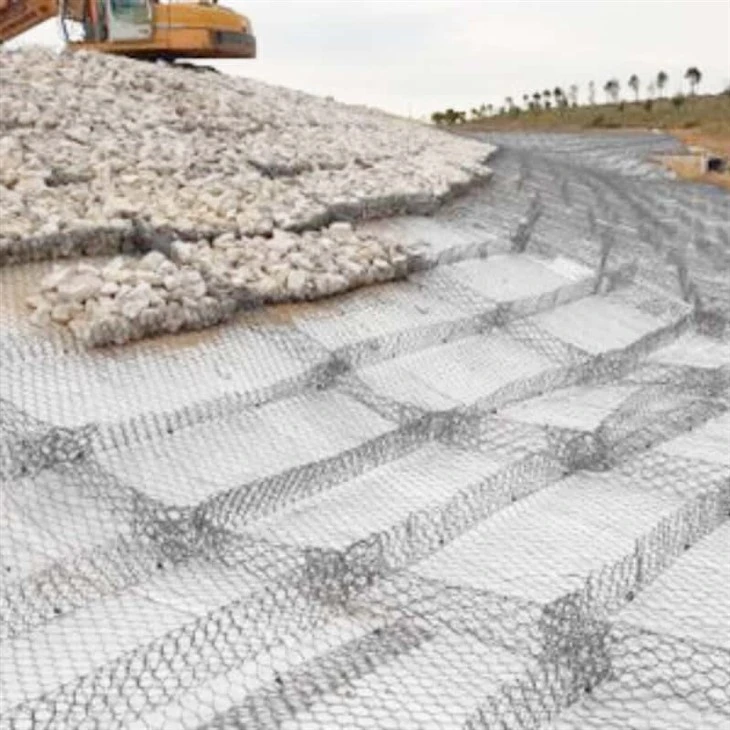
The mesh is designed to be somewhat flexible, which means it can deform under pressure. In extreme cases, this deformation can compromise the integrity of the entire structure. For projects where a rigid and stable structure is essential, you might want to consider other construction materials.
7. Vulnerability to Vandalism
Gabion structures made with hexagonal gabion mesh can be vulnerable to vandalism. The stones inside the gabions can be easily removed by vandals, and the mesh can be cut or damaged. This can not only ruin the appearance of the structure but also reduce its functionality.
In areas with a high risk of vandalism, you'll need to take extra precautions to protect the gabion structures, such as installing security measures or using more durable mesh materials. However, these additional measures can further increase the cost of the project.
Despite these disadvantages, hexagonal gabion mesh still has its place in many construction and environmental projects. It's all about understanding the pros and cons and making an informed decision based on your specific needs. If you're still considering using hexagonal gabion mesh for your project, I'd be more than happy to talk to you about it. We can discuss your requirements in detail and see if it's the right fit for you. Whether you're dealing with erosion control, landscaping, or any other application, we've got the expertise to help you make the best choice. So, don't hesitate to reach out if you have any questions or if you're ready to start the procurement process.
References
- "Gabion Design and Construction Guidelines" by the Federal Highway Administration
- "Erosion Control Manual" published by the Soil and Water Conservation Society
- Industry reports on construction materials and their applications