






Is welded gabion suitable for use in soft soil foundations? Well, that's a question I've been asked quite a few times as a welded gabion supplier. Let's dive right in and take a good look at this topic.
First off, let's understand what welded gabions are. Welded gabions are basically wire mesh boxes or containers that are filled with stones or other suitable materials. They're commonly used in various civil engineering and landscaping projects, like erosion control, retaining walls, and riverbank protection. They're known for their strength, durability, and flexibility in design.
Now, when it comes to soft soil foundations, things get a bit tricky. Soft soil is characterized by its low shear strength, high compressibility, and often poor drainage. This means that any structure built on soft soil needs to be carefully designed to avoid issues like settlement, tilting, or even failure.
So, is a welded gabion a good fit for soft soil? There are both pros and cons to consider.
The Pros
One of the main advantages of using welded gabions on soft soil is their flexibility. Unlike rigid structures, welded gabions can adapt to some degree of settlement without losing their integrity. The wire mesh allows the gabion to flex and adjust as the soil beneath it settles. This can be a huge plus in areas where some settlement is inevitable.

Another benefit is the self - weight of the gabion. When filled with stones, welded gabions have a significant mass. This weight can help to compact the soft soil over time, improving its bearing capacity. In a way, the gabion acts as a form of pre - loading for the soil.
Welded gabions also offer good drainage. The gaps between the stones inside the gabion allow water to pass through easily. This is crucial in soft soil areas where poor drainage can lead to waterlogging and further weakening of the soil. By allowing water to drain away, the gabions can help maintain the stability of the foundation.
The Cons
However, there are also some drawbacks. One of the biggest concerns is the potential for uneven settlement. Soft soil is not uniform, and different parts of the soil may settle at different rates. This can cause the welded gabions to tilt or shift, which could compromise their functionality.
The installation process can also be more challenging on soft soil. The ground may be too soft to support heavy equipment used for installation, and special measures may need to be taken to ensure the gabions are properly placed. For example, a layer of geotextile fabric may need to be laid down first to prevent the soil from mixing with the stones in the gabion and to improve the overall stability.
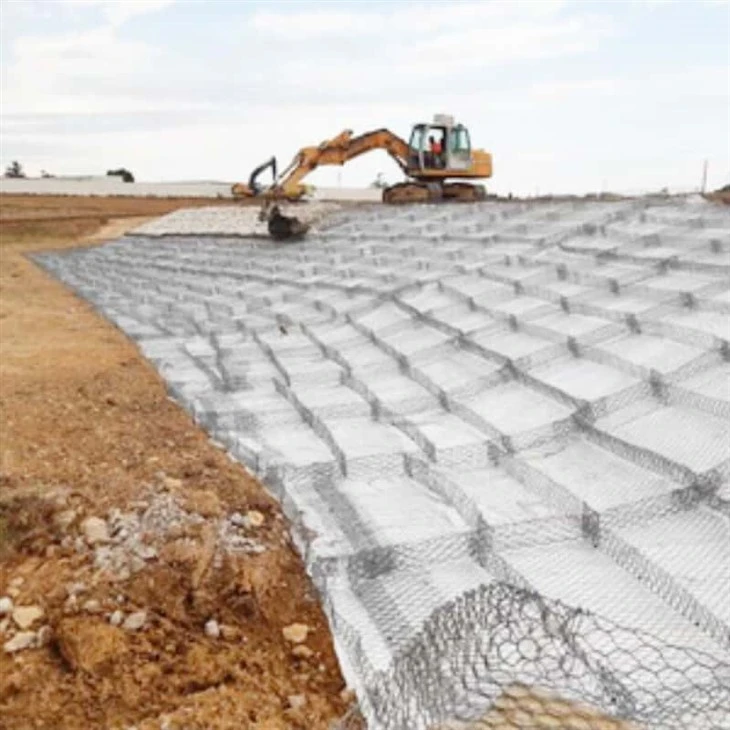
Cost can also be an issue. To make welded gabions work on soft soil, additional materials and techniques may be required. This can increase the overall cost of the project compared to using them on more stable soil.
Case Studies
Let's look at a few real - world examples. In a coastal area project, a retaining wall made of welded gabions was constructed on soft soil near the shore. The project team used a combination of geotextile fabric and a well - graded stone fill to improve the stability of the gabions. Over time, the wall has held up well, with only minor signs of settlement. The flexibility of the welded gabions allowed them to adjust to the natural movement of the soft soil.
On the other hand, in a project where welded gabions were used without proper ground preparation on soft soil, there were problems. The gabions started to tilt after a few months due to uneven settlement, and the project had to be re - evaluated and additional support measures were installed.
Alternatives
If you're still not sure if welded gabions are the right choice for your soft soil project, there are some alternatives. For example, Hexagonal Gabion MeshPET Plastic Gabion offers a different type of flexibility and can be a good option in some cases. The hexagonal mesh design provides additional strength and the plastic coating can offer corrosion resistance.
Galvanized Wire Gabion Box is another alternative. The galvanized coating helps to protect the wire from rusting, and the box - like structure can be more rigid in some situations, which may be beneficial on soft soil.
Reno Mattress is also worth considering. It's a type of gabion that is flatter and wider, which can distribute the load more evenly on soft soil.

Making the Decision
So, is a welded gabion suitable for soft soil foundations? The answer is, it depends. It's essential to conduct a thorough geotechnical investigation of the site. This will help you understand the properties of the soft soil, such as its shear strength, compressibility, and water content. Based on this information, you can determine if the benefits of using welded gabions outweigh the potential challenges.
If you're considering a project on soft soil and thinking about using welded gabions, I'd be more than happy to help. As a supplier, I've got a lot of experience with different soil conditions and gabion applications. I can provide you with the right products and advice to make your project a success.
If you're interested in learning more or discussing your project in detail, don't hesitate to reach out. We can have a chat about your specific needs and see if welded gabions are the best fit for you.
References
- "Geotechnical Engineering Principles and Practices" by Braja M. Das
- "Gabion and Mattress Manual" by the United States Bureau of Reclamation