






Aluminum epoxy coated mesh is a versatile material widely used in various industries due to its unique properties. As a supplier of Aluminum Epoxy Coated Mesh, I often receive inquiries about its performance in different environments, especially acidic ones. In this blog, I will delve into how aluminum epoxy coated mesh performs in acidic environments, exploring its advantages, limitations, and practical applications.
Understanding Aluminum Epoxy Coated Mesh
Before discussing its performance in acidic environments, let's first understand what aluminum epoxy coated mesh is. This product consists of an aluminum mesh base that is coated with a layer of epoxy resin. The aluminum mesh provides structural strength and flexibility, while the epoxy coating offers protection against corrosion, abrasion, and chemical damage.
The epoxy coating is applied through a specialized process that ensures a uniform and durable finish. This coating not only enhances the mesh's resistance to environmental factors but also improves its aesthetic appeal. As a result, aluminum epoxy coated mesh is suitable for a wide range of applications, including filtration, screening, and decorative purposes.
Performance in Acidic Environments
One of the key questions regarding aluminum epoxy coated mesh is how it performs in acidic environments. Acids can be highly corrosive, and materials exposed to them need to have adequate resistance to prevent degradation.
Corrosion Resistance
The epoxy coating on the aluminum mesh plays a crucial role in providing corrosion resistance in acidic environments. Epoxy is a thermosetting polymer that forms a protective barrier between the aluminum substrate and the acidic medium. This barrier prevents the acid from coming into direct contact with the aluminum, thereby reducing the risk of corrosion.
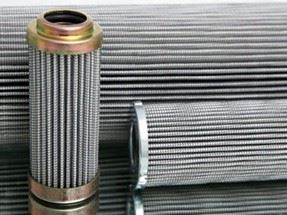

In many cases, the epoxy coating can withstand mild to moderately acidic conditions for extended periods. For example, in environments with a pH range of 4 - 6, the aluminum epoxy coated mesh can maintain its integrity and functionality for years. However, in more extreme acidic conditions, such as those with a pH below 4, the performance of the mesh may be compromised over time.
The thickness and quality of the epoxy coating also affect its corrosion resistance. A thicker and higher - quality coating will generally provide better protection against acids. At our company, we ensure that our epoxy coatings meet strict quality standards to offer optimal corrosion resistance.
Chemical Stability
In addition to corrosion resistance, the chemical stability of the epoxy coating in acidic environments is also important. Epoxy resins are generally stable in the presence of many acids, but some strong acids can react with the epoxy over time. For instance, concentrated sulfuric acid or hydrochloric acid can cause the epoxy to break down or lose its adhesion to the aluminum substrate.
However, for most common industrial and environmental applications, the epoxy coating on our aluminum mesh is chemically stable. It can resist the action of weak to moderately strong acids without significant chemical changes. This stability ensures that the mesh retains its mechanical properties and functionality in acidic environments.
Mechanical Integrity
The mechanical integrity of the aluminum epoxy coated mesh is another aspect to consider in acidic environments. The acid may not only affect the epoxy coating but also the underlying aluminum mesh. If the acid penetrates the coating and reaches the aluminum, it can cause the aluminum to weaken and lose its strength.
However, as long as the epoxy coating remains intact, the mechanical properties of the mesh are largely preserved. The aluminum mesh provides the necessary strength and flexibility, and the epoxy coating protects it from the corrosive effects of the acid. This combination allows the mesh to maintain its shape and structural integrity even in the presence of acids.
Advantages of Using Aluminum Epoxy Coated Mesh in Acidic Environments
There are several advantages to using aluminum epoxy coated mesh in acidic environments.
Cost - Effectiveness
Compared to some other corrosion - resistant materials, such as stainless steel or titanium, aluminum epoxy coated mesh is relatively cost - effective. Aluminum is a widely available and inexpensive metal, and the epoxy coating process is also relatively simple and affordable. This makes it an attractive option for applications where cost is a major consideration.
Lightweight
Aluminum is a lightweight metal, which makes the aluminum epoxy coated mesh easy to handle and install. In applications where weight is a concern, such as in some filtration systems or portable equipment, the lightweight nature of the mesh is a significant advantage.
Versatility
Aluminum epoxy coated mesh can be fabricated into various shapes and sizes to meet different application requirements. It can be used in a wide range of industries, including chemical processing, water treatment, and food and beverage production. Whether it is used as a Epoxy Coated Mesh for filtration or as a decorative element in an acidic environment, the mesh offers great versatility.
Limitations and Considerations
While aluminum epoxy coated mesh has many advantages in acidic environments, there are also some limitations and considerations.
Long - Term Exposure
As mentioned earlier, long - term exposure to highly acidic environments can eventually lead to the degradation of the epoxy coating and the underlying aluminum. In applications where the mesh will be exposed to strong acids for extended periods, additional protective measures may be required. For example, periodic inspections and re - coating of the mesh may be necessary to ensure its continued performance.
Compatibility with Specific Acids
Not all acids are the same, and the performance of the aluminum epoxy coated mesh can vary depending on the type of acid. Some acids may have a more aggressive reaction with the epoxy coating than others. Before using the mesh in a specific acidic environment, it is important to test its compatibility with the particular acid involved.
Practical Applications
Aluminum epoxy coated mesh has a wide range of practical applications in acidic environments.
Filtration Systems
In filtration systems, such as Epoxy coated wire mesh for filter support layer, the mesh can be used to separate solids from liquids or gases in acidic solutions. The corrosion resistance of the epoxy coating allows the mesh to maintain its filtration efficiency in the presence of acids. For example, in the chemical industry, it can be used to filter acidic chemical solutions without being damaged by the acid.
Hydraulic and Fuel Oil Filters
Epoxy coated wire mesh for hydraulic&fuel oil filter is another important application. In some cases, hydraulic and fuel oil systems may be exposed to acidic contaminants. The aluminum epoxy coated mesh can be used in these filters to remove impurities while resisting the corrosive effects of the acids.
Conclusion
In conclusion, aluminum epoxy coated mesh can offer good performance in acidic environments, especially in mild to moderately acidic conditions. The epoxy coating provides corrosion resistance, chemical stability, and helps maintain the mechanical integrity of the mesh. It has several advantages, including cost - effectiveness, lightweight, and versatility, making it a popular choice for many applications.
However, it is important to be aware of its limitations, such as the potential for degradation in long - term exposure to highly acidic environments and the need to consider compatibility with specific acids.
If you are looking for a reliable solution for your applications in acidic environments, our aluminum epoxy coated mesh could be the ideal choice. We are committed to providing high - quality products that meet your specific requirements. Whether you need a standard product or a custom - made solution, we have the expertise and resources to assist you. Contact us today to discuss your needs and start a procurement negotiation to find the best aluminum epoxy coated mesh for your project.
References
- "Corrosion Resistance of Epoxy - Coated Metals" by Journal of Protective Coatings and Linings.
- "Properties and Applications of Aluminum Alloys" by ASM International.
- "Epoxy Resins: Chemistry and Technology" by C. A. May and Y. Tanaka.