






Epoxy coated wire mesh is a versatile and popular material used in various industries, from construction to filtration. As a supplier of epoxy coated wire mesh, I often receive inquiries about its weldability. This blog post aims to explore the question: Can epoxy coated wire mesh be welded?
Understanding Epoxy Coated Wire Mesh
Before delving into the weldability of epoxy coated wire mesh, it's essential to understand what it is. Epoxy coated wire mesh is made by coating a wire mesh with epoxy resin. This coating provides several benefits, including corrosion resistance, enhanced durability, and a smooth, clean finish. The wire mesh itself can be made from different materials such as steel, aluminum, or stainless steel, each with its own properties and applications.
- Aluminum Epoxy Coated Mesh: Aluminum wire mesh coated with epoxy offers excellent corrosion resistance, especially in outdoor or marine environments. It is lightweight and easy to handle, making it suitable for applications like Aluminum Epoxy Coated Mesh in architectural screens, fencing, and decorative purposes.
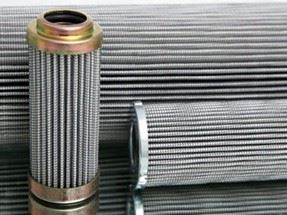
- Epoxy coated wire mesh for hydraulic&fuel oil filter: This type of mesh is designed for use in filtration systems. The epoxy coating helps to prevent corrosion and contamination, ensuring the efficient operation of hydraulic and fuel oil filters. You can find more information about Epoxy coated wire mesh for hydraulic&fuel oil filter on our website.
- Epoxy Coated Mesh: In general, epoxy coated mesh can be used in a wide range of applications, including industrial screening, animal enclosures, and agricultural fencing. Epoxy Coated Mesh combines the strength of the wire mesh with the protective properties of the epoxy coating.
Factors Affecting the Weldability of Epoxy Coated Wire Mesh
The weldability of epoxy coated wire mesh depends on several factors:
1. Epoxy Coating Properties
The type and thickness of the epoxy coating play a crucial role. Some epoxy coatings are formulated to withstand high temperatures, while others may degrade or burn off during the welding process. A thick coating may also create a barrier that prevents proper fusion of the wires, leading to weak welds.
2. Wire Material
The material of the wire mesh, such as steel, aluminum, or stainless steel, affects its weldability. Different metals have different melting points, thermal conductivities, and chemical compositions, which can influence the welding process. For example, aluminum has a lower melting point and higher thermal conductivity than steel, requiring different welding techniques.
3. Welding Method
There are various welding methods available, including arc welding, resistance welding, and gas welding. Each method has its own advantages and disadvantages when it comes to welding epoxy coated wire mesh. The choice of welding method depends on the specific requirements of the application, such as the thickness of the wire, the size of the mesh, and the desired strength of the weld.

Welding Epoxy Coated Wire Mesh: Challenges and Solutions
Challenges
- Coating Damage: The high temperatures generated during welding can cause the epoxy coating to burn, bubble, or peel off. This not only affects the appearance of the mesh but also reduces its corrosion resistance.
- Weak Welds: The epoxy coating can act as an insulator, preventing proper electrical conductivity and heat transfer during welding. This can result in weak or incomplete welds, which may compromise the structural integrity of the mesh.
- Fumes and Health Risks: Burning the epoxy coating can release harmful fumes and chemicals, posing a health risk to the welder. Adequate ventilation and personal protective equipment (PPE) are essential when welding epoxy coated wire mesh.
Solutions
- Pre - cleaning: Before welding, it is recommended to remove the epoxy coating from the areas where the weld will be made. This can be done using mechanical methods such as sanding or grinding, or chemical methods such as solvent cleaning. By removing the coating, you can ensure better electrical conductivity and heat transfer, resulting in stronger welds.
- Proper Welding Technique: Selecting the appropriate welding method and parameters is crucial. For example, using a lower welding current and a shorter welding time can help to minimize the damage to the epoxy coating. Additionally, using a shielding gas can protect the weld from oxidation and reduce the formation of fumes.
- Post - welding Treatment: After welding, the welded areas can be re - coated with epoxy to restore the corrosion resistance and appearance of the mesh. This can be done using a brush, spray, or dip coating method.
Applications Where Welding Epoxy Coated Wire Mesh is Possible
In some applications, welding epoxy coated wire mesh is possible and even necessary. For example:
- Structural Applications: In construction and industrial applications, epoxy coated wire mesh may need to be welded to form structural components such as frames, cages, or partitions. By following the proper welding techniques and post - welding treatments, it is possible to achieve strong and durable welds while maintaining the corrosion resistance of the mesh.
- Custom Fabrication: When creating custom - made products, welding epoxy coated wire mesh can provide a cost - effective and efficient solution. For example, welding mesh panels together to create a larger screen or enclosure.
Conclusion
In conclusion, epoxy coated wire mesh can be welded, but it requires careful consideration of the factors mentioned above. While there are challenges associated with welding epoxy coated wire mesh, such as coating damage and weak welds, these can be overcome by using the proper techniques and taking appropriate precautions.
If you are considering using epoxy coated wire mesh in an application that requires welding, I encourage you to contact us for more information. Our team of experts can provide you with guidance on the best welding methods, as well as advice on pre - and post - welding treatments. We are committed to providing high - quality epoxy coated wire mesh products and solutions to meet your specific needs. Whether you are in the construction, filtration, or any other industry, we can help you find the right mesh for your project. Contact us today to start a conversation about your procurement requirements and let's work together to find the best solution for you.
References
- ASM Handbook, Volume 6: Welding, Brazing, and Soldering. ASM International.
- Welding Metallurgy and Weldability of Stainless Steels. John C. Lippold, David J. Kotecki.