






Are there any regulations for using galvanized wire gabion boxes? Well, let me tell you, as a supplier of galvanized wire gabion boxes, I've had my fair share of questions about this. So, I'm gonna break it down for you and give you the lowdown on the regulations and all that jazz.
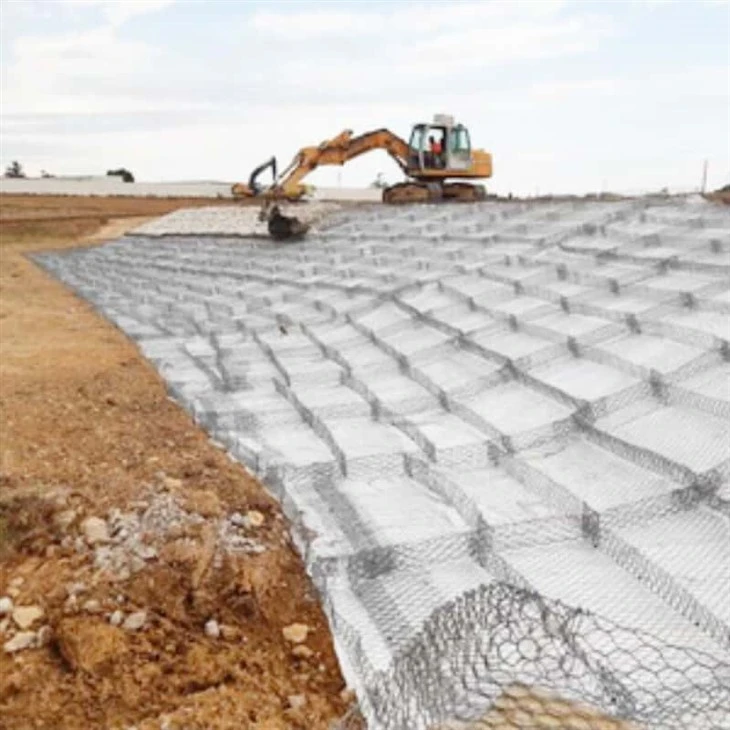
First off, what are galvanized wire gabion boxes? They're basically wire mesh boxes filled with stones or other materials. These things are super versatile and are used in a whole bunch of applications, like erosion control, retaining walls, and even in some landscaping projects. They're strong, durable, and can withstand a lot of wear and tear.
Now, onto the regulations. The regulations for using galvanized wire gabion boxes can vary depending on where you're located. Different countries, states, and even local municipalities might have their own set of rules. In general, there are some common aspects that are often regulated.
One of the main areas of regulation is the quality of the galvanized wire. The wire used in these gabion boxes needs to meet certain standards for corrosion resistance. Galvanization is the process of coating the wire with zinc to protect it from rusting. The thickness of the zinc coating is crucial. If it's too thin, the wire won't last as long, and the gabion box could start to fall apart over time. There are international standards, like ASTM A123 for hot - dipped galvanized coatings, that many suppliers, including me, follow to ensure the quality of the wire.
Another important regulation is related to the size and shape of the gabion boxes. The dimensions of the boxes need to be appropriate for the intended use. For example, if you're using them for a retaining wall, the height, length, and width of the boxes need to be designed in a way that can support the load. There are engineering guidelines that specify the proper ratios and sizes based on the soil conditions, the height of the wall, and other factors.
The filling material also has regulations. The stones or other materials used to fill the gabion boxes should be of a certain size and quality. They need to be hard enough to withstand the pressure and not break easily. In some cases, the source of the filling material might also be regulated. For example, using stones from protected areas is obviously a no - go.
When it comes to installation, there are regulations too. The gabion boxes need to be installed correctly to ensure their stability. They should be properly stacked, tied together, and anchored to the ground. In some areas, you might need a professional engineer to design the installation plan and oversee the work. This is especially true for large - scale projects like highway embankment protection.
Let's talk about some of the different types of gabion boxes and their specific regulations. For instance, Reno Mattress is a type of gabion box that's relatively flat and is often used for riverbank protection. The regulations for Reno Mattress might focus more on its flexibility and its ability to conform to the natural shape of the riverbank. They need to be installed in a way that allows water to flow through them while still providing erosion control.
Hesco Barrier is another type. These are often used in military and security applications. The regulations for Hesco Barriers are more about their strength and their ability to stop projectiles and provide a secure perimeter. They need to be tested and certified to meet certain ballistic and structural standards.
Sack Gabion is a smaller, more flexible type of gabion. They're often used in smaller - scale projects like garden borders. The regulations for sack gabions might be less strict compared to larger gabion boxes, but they still need to meet basic quality and safety standards.
Now, why should you care about these regulations? Well, following the regulations ensures the safety and effectiveness of the gabion boxes. If you don't follow the rules, you could end up with a project that fails. For example, if the wire isn't properly galvanized, the box could rust and collapse, causing damage to the surrounding area. And in some cases, not following the regulations can lead to legal issues.

As a supplier, I make sure that all my galvanized wire gabion boxes meet the relevant regulations. I work closely with engineers and quality control experts to ensure that every box that leaves my facility is up to par. I also provide technical support to my customers to help them with the installation and make sure they're using the gabion boxes correctly.
If you're thinking about using galvanized wire gabion boxes for your project, don't hesitate to reach out. I can provide you with detailed information about the regulations in your area and how my products comply with them. Whether you're a contractor working on a large - scale infrastructure project or a homeowner looking to spruce up your garden, I've got the right gabion boxes for you. We can have a chat about your specific needs, and I'll help you choose the best solution. So, if you're interested in purchasing galvanized wire gabion boxes, just get in touch, and we can start the procurement process.
References:
- ASTM International. ASTM A123 Standard Specification for Zinc (Hot - Dip Galvanized) Coatings on Iron and Steel Products.
- Various local and national building codes and engineering guidelines related to erosion control and retaining structures.