





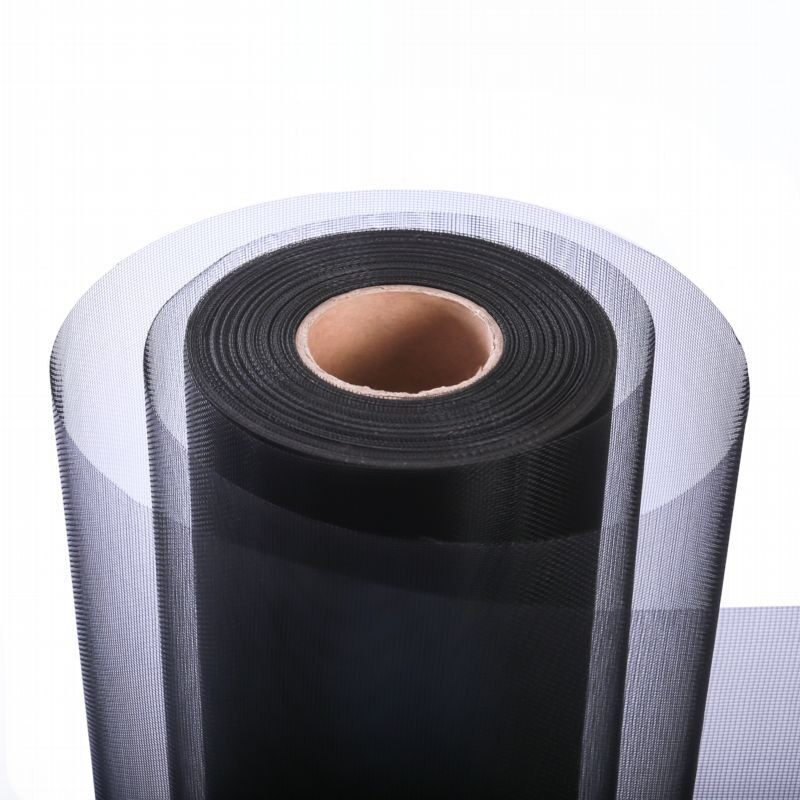
Product Name:
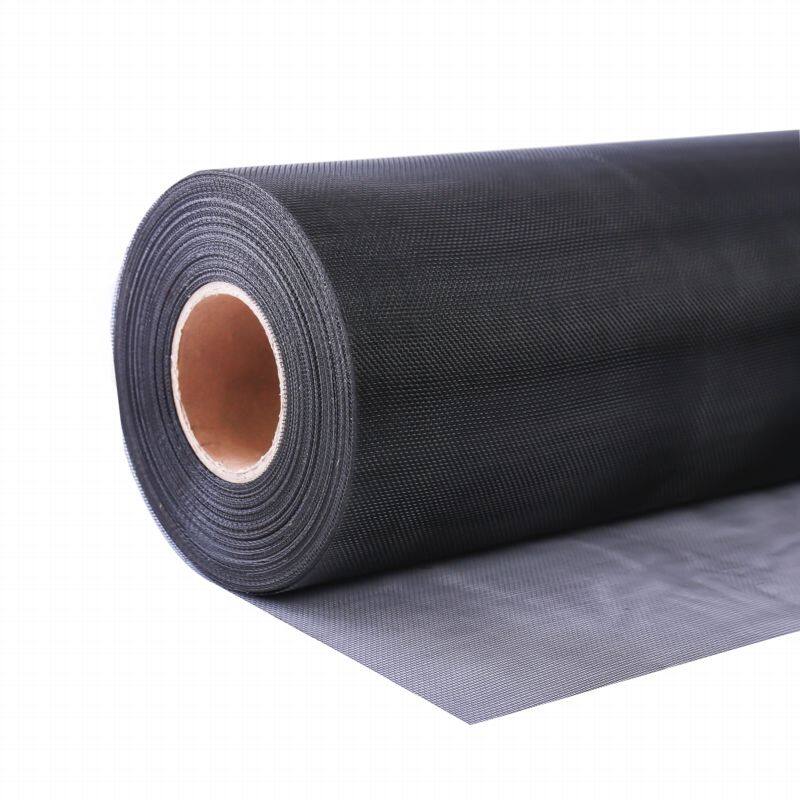
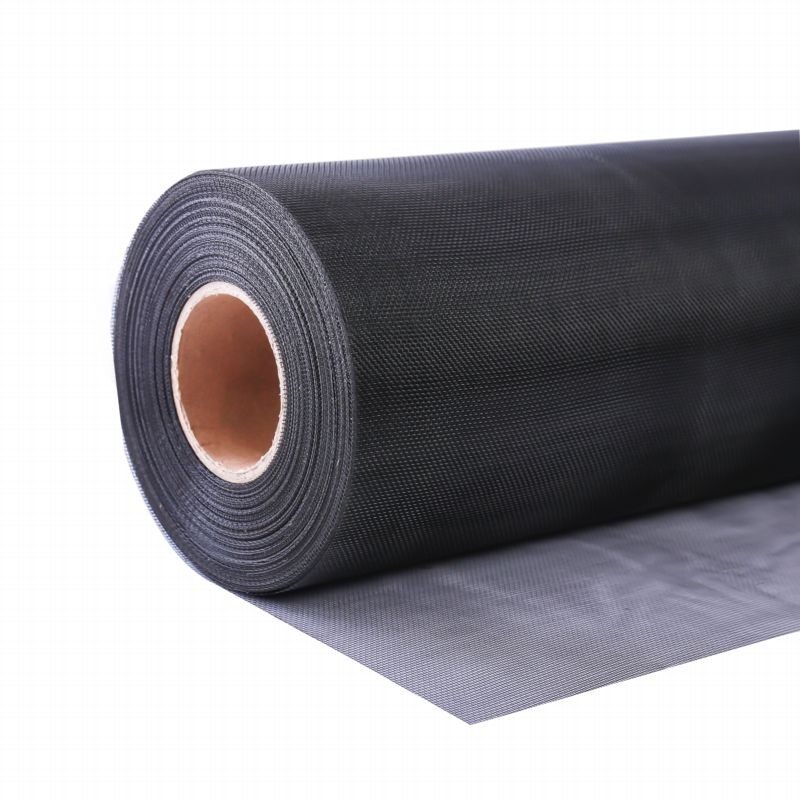
Iron Epoxy Coated Wire Mesh , epoxy coated wire mesh, hydraulic filter protective mesh, filter element supporting mesh.
Brief Introduction
Iron Epoxy Coated Mesh is a high-performance filter material that significantly improves its corrosion resistance and mechanical strength by coating the surface of the iron mesh with epoxy resin. This product is widely used in a variety of industrial fields and adapts to various working conditions, including air filtration, electrical equipment, building materials, and the automotive industry.
|
Product name |
Iron Epoxy Coated Wire Mesh |
|
Material |
low carbon steel wire Q195 |
|
Weave Type |
Plain weave |
|
Mesh |
17x13 18x14 22x20 |
|
Wire Diameter |
0.2mm |
|
Color |
white, gray, black or customized |
|
Width |
50mm(2 inches)-1500mm(60 inches) |
|
Length |
30m(100ft)-300m(860ft) |
|
Usage |
used as filter element support |

Product Technical Parameters:
|
Main Specification of the Iron Epoxy Coated Mesh |
|||
|
Substrate material |
Specification |
Width |
Length |
|
Q195 |
17x13/0.17 |
50mm-1500mm |
30m-300m |
|
Q195 |
18x14/0.18 |
50mm-1500mm |
30m-300m |
|
Q195 |
22x20/0.18 |
50mm-1500mm |
30m-300m |
Product features
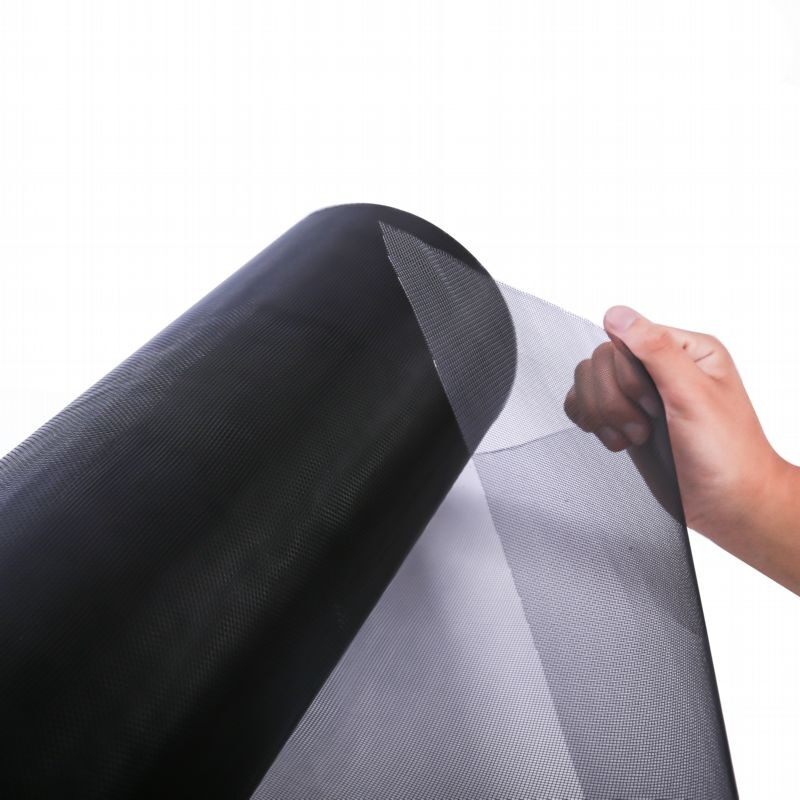
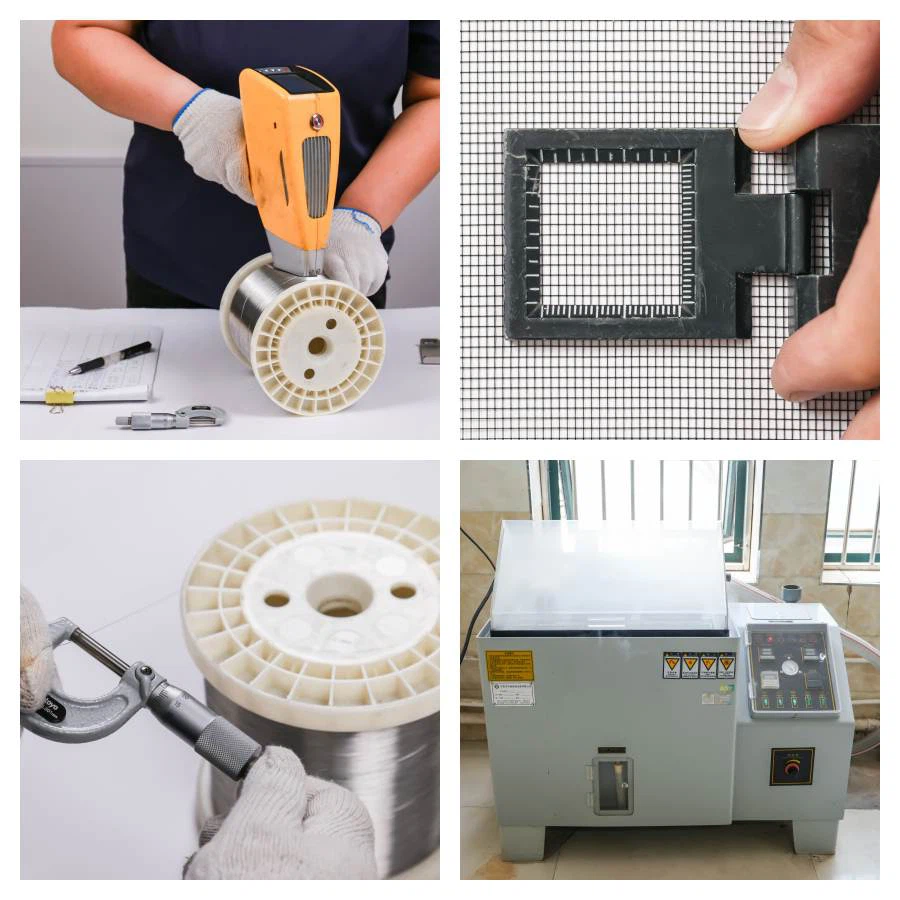
(1)Even and square hole
(2)Not easy to loosen and deform, the supporting force is strengthened
(3)Soft mesh surface and easy to be shaped.
(4)Different colors of powder can be coated.
(5)Even and consistent color.

Product advantage
Durability and Strength:
The epoxy coating provides a protective layer that enhances the wire mesh's resistance to corrosion and wear, ensuring long-lasting performance in various environments.
Weather Resistance:
Epoxy coating is highly effective against the elements, making the mesh suitable for outdoor use where it's exposed to weather conditions like rain, snow, and sunlight.
Cost-Effective Solution:
With a longer service life due to the protective coating, epoxy coated wire mesh reduces the need for frequent replacements, offering a cost-effective solution for long-term projects.
Aesthetic Appeal:
Available in a range of colors, epoxy coated wire mesh can be chosen to complement or contrast with its surroundings, making it a popular choice for both functional and decorative applications.
Customizability:
The coating can be tailored to specific requirements, including different colors and thickness levels, allowing for customization to fit any project's aesthetic or functional needs.
Product application
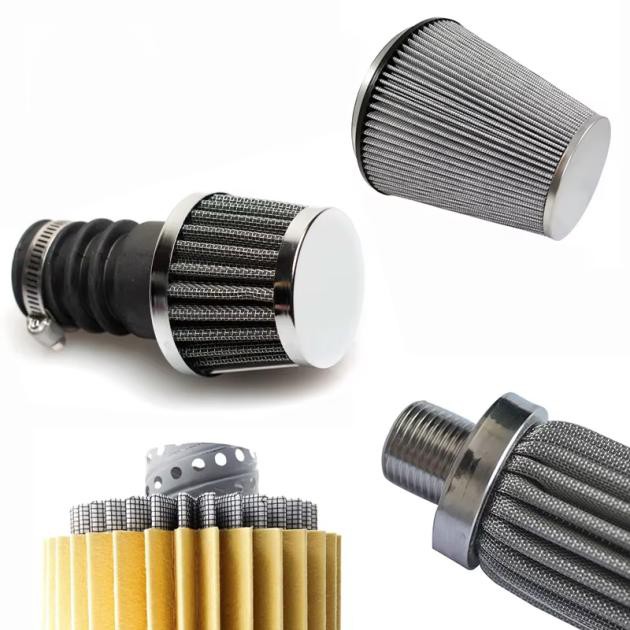
This product can be used for pleated filter element supports, which can be used in hydraulic systems as well as in the automotive industry, such as hydraulic filters, air filters, etc.
Industrial
In industrial settings, epoxy coated wire mesh finds applications in filtration, separation, and reinforcement. Its durability and corrosion resistance make it suitable for demanding environments such as chemical processing plants and wastewater treatment facilities.
Commercial
In commercial construction, epoxy coated wire mesh is used for architectural purposes, including facades, partitions, and decorative elements. Its aesthetic appeal, combined with its durability, makes it a preferred material for both interior and exterior applications.
Residential
In residential projects, epoxy coated wire mesh is utilized for various purposes, including fencing, landscaping, and DIY projects. Its versatility, durability, and low maintenance requirements make it an excellent choice for homeowners seeking long-lasting solutions.

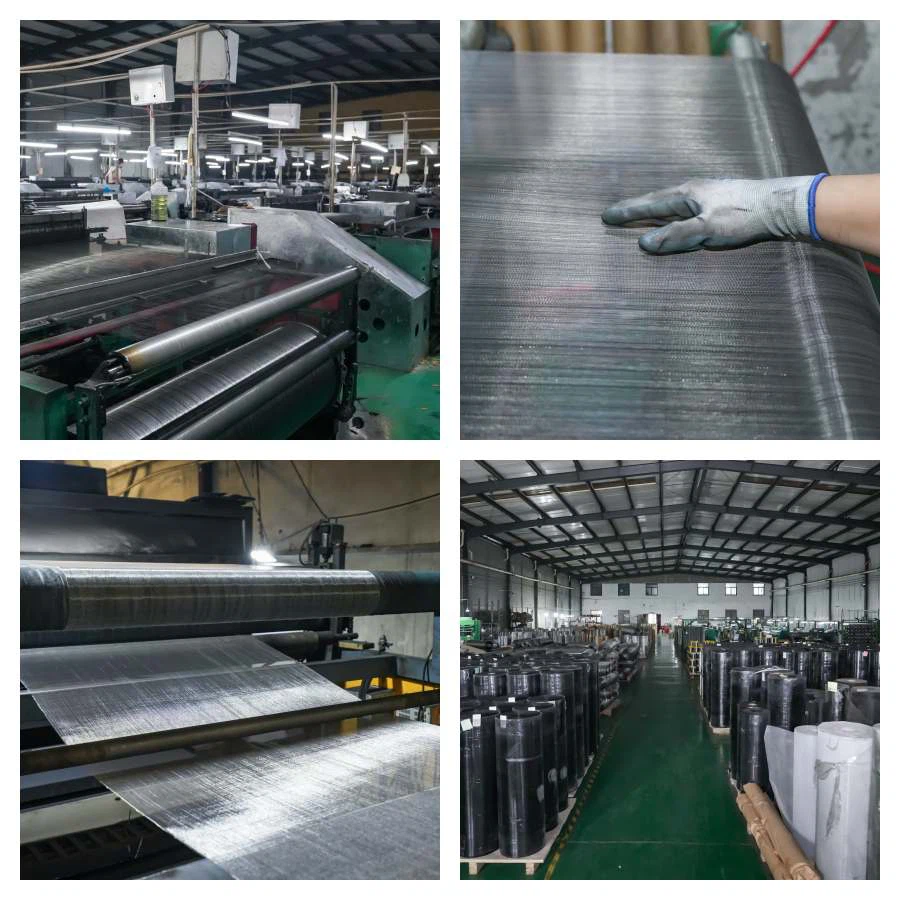
Packing

Overview:
CHG METAL's Iron Epoxy Coated Wire Mesh is engineered for resilience and longevity in corrosive environments. This versatile mesh combines the strength of iron with the protective qualities of epoxy coating, making it suitable for industrial, agricultural, and construction applications
Material:
Wire: Low carbon steel or plain steel wire with a diameter ranging from 0.41mm to 3.3mm.
Coating: High-quality epoxy resin powder provides a durable and corrosion-resistant finish.
Dimensions:
Mesh Sizes: Common mesh sizes include 14x14mm, 16x14mm, 16x16mm, 18x14mm, 18x16mm, 18x18mm, 20x20mm, 22x22mm, 24x24mm, 28x28mm, and 30x30mm.
Width: Typically 0.6m to 1.5m, though custom widths are available.
Length: Usually 100 to 500 feet, but can be customized.
Features:
Corrosion Resistance: The epoxy coating protects against rust and corrosion, extending the product's lifespan.
Customizable Sizes: Available in a variety of mesh sizes and dimensions to fit specific project requirements.
Easy Installation: The lightweight yet strong nature of the mesh allows for easy handling and installation.
Versatility: Suitable for a wide range of applications, including fencing, partitions, and filters.
Applications:
Industrial Applications: Used in machinery guarding, window wells, and equipment protection.
Agricultural Uses: Ideal for poultry housing, rabbit hutches, and animal enclosures.
Construction: Perfect for reinforcing concrete and as a base for tile backer.
Filteration Systems: Serves as a support layer for filters, enhancing stability and performance.
Advantages:
Durability: The epoxy coating enhances the wire mesh's resistance to wear and tear.
Cost-Effective: Offers a budget-friendly solution for projects requiring a high level of durability.
Safety: Provides a secure barrier in construction sites and industrial applications.
Installation:
Prepare the Surface: Ensure the surface is clean, dry, and free of contaminants.
Measure and Cut: Cut the mesh to the required size using appropriate tools.
Install the Mesh: Secure the mesh in place using appropriate fasteners or adhesives.
Maintenance:
Regular Inspections: Check the mesh for signs of wear or damage and address any issues promptly.
Cleaning: Clean the mesh using mild soap and water, and allow it to dry completely.


